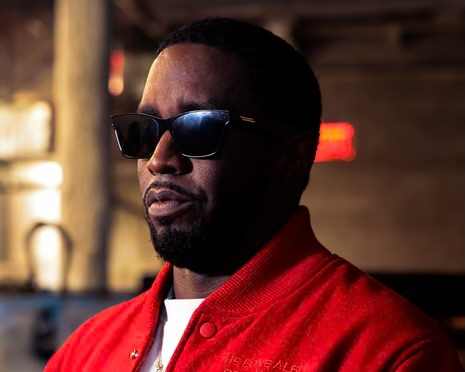
Netflix’s latest docuseries, which explores decades of allegations against Sean 'Diddy' Combs, has escalated into a public feud. The streaming giant asserts that the series is based on verified legal records and firsthand interviews, while Diddy contends it is a hit piece seeking to exploit controversy for profit. His representatives claim the program employs selective editing, presenting a misleading narrative.
Internal emails leaked by anonymous production staff indicate that Diddy’s legal team allegedly pressured former associates not to participate in the documentary. One memo described this as a coordinated pressure campaign, although Netflix’s legal department concluded that there was no unlawful obstruction involved.
The debate surrounding this series touches on larger themes within the hip-hop industry, with some insiders arguing it highlights enduring power imbalances and a culture of silence from the early 2000s. However, critics caution that the timing of the docuseries—in the midst of Diddy’s ongoing legal troubles—could unduly skew public opinion, with one executive indicating that the surge of voices coming forward is significant.
As the series climbs to Netflix’s #1 nonfiction title of the week in numerous regions, Diddy’s attorneys are considering pursuing a defamation action against the platform. Legal analysts note that although defamation lawsuits regarding documentaries can be difficult, they may succeed if evidence reveals reckless editorial conduct.
The ramifications of this confrontation extend beyond the immediate dispute, possibly influencing future approaches to source protection, fact verification, and celebrity involvement in documentary filmmaking. As neither party appears willing to back down, industry watchers remain keenly attentive to developments in this unfolding drama.