Digital Lifeline: Gaza Tech Workers Hold Out Hope Amid War
In 2023, the Gaza Strip fell into a war that displaced millions and destroyed an entire economy. Yet a group of software engineers, designers and developers are quietly turning the region into a remote‑work hub, using laptops, solar panels and community spaces to connect to global markets.

24‑year‑old Palestinian engineer Walaa Volidis chats with a mentor in Silicon Valley: “I will keep fighting for my dreams.” She balances a daily life in a tent, caring for parents and four siblings, while staying sharp on AI tools and programming languages. Her story exemplifies many Gazans who now view remote freelancing as a ``digital lifeline'' that keeps income flowing while humanitarian supplies remain scarce.
The United Nations reports the unemployment rate in Gaza has jumped from 22% before the conflict to over 80% today. In that context, humanitarian agencies say freelancing and IT work give people a stable path out of dependency – the only job that remains viable as local shops have been destroyed.
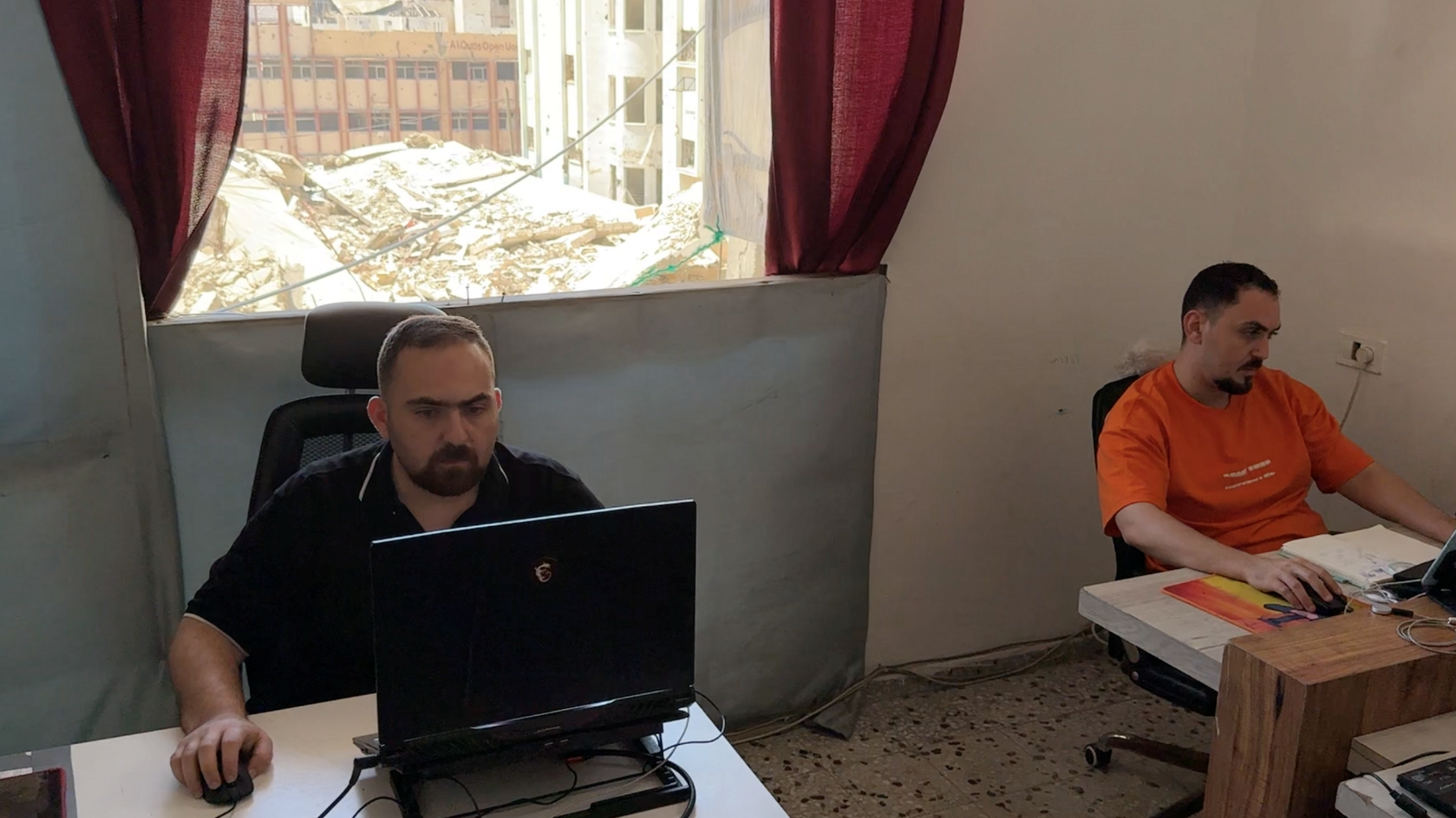
Casinos and garages now share their power with solar generators and battery backups, keeping Wi‑Fi alive for developers. A former chief technology officer of a Gaza firm, Tarik Zaeem, now freelances in mobile apps, providing features for customers in Saudi Arabia. He often routes payments through relatives abroad because local banking is blocked and many payment platforms refuse to register Gaza addresses.

Even with challenges, many workers report relative good fortune. The Palestinian‑Dutch NGO TAP helps connect Gazans to mentors and remote employers; Walaa recently secured full‑time work in Dubai. Her goal looks beyond personal dreams; she wants to help her date, a 13‑year‑old with chronic injuries, get medical evacuation.
Behind the headlines of bombing and mourning, these tech workers craft a quiet narrative of resilience. By re‑releasing their careers online, they hope to rebuild a future for Gaza that extends beyond immediate survival.