In brief
The prolonged government shutdown, which lasted 43 days, concluded with both Democrats and Republicans expressing dissatisfaction over the final agreement. Key provisions for health insurance demanded by Democrats were not included, while Republicans faced criticism for their handling of the situation. The shutdown had far-reaching impacts on millions of Americans, including unpaid federal workers and citizens reliant on government programs. As the government reopens, lawmakers now have until January to complete further budgeting tasks amid continuing political tensions.
WASHINGTON (AP) — The longest government shutdown in history could conclude as soon as today, Day 43, with almost no one happy with the final result.
Democrats didn’t get the health insurance provisions they demanded added to the spending deal. Republicans, who control the levers of power in Washington, didn’t escape blame as polls indicated anger directed at both parties.
The fallout landed on millions of Americans, including federal workers who went without paychecks and airline passengers whose trips were disrupted. Moreover, interruptions in nutrition assistance programs caused significant distress during the holiday season, leading many to line up at food banks.
The agreement reached includes bipartisan bills worked out by the Senate Appropriations Committee, funding essential government areas such as food aid and veterans programs. However, other funding will only be extended until the end of January, giving lawmakers limited time to finalize additional budgets.
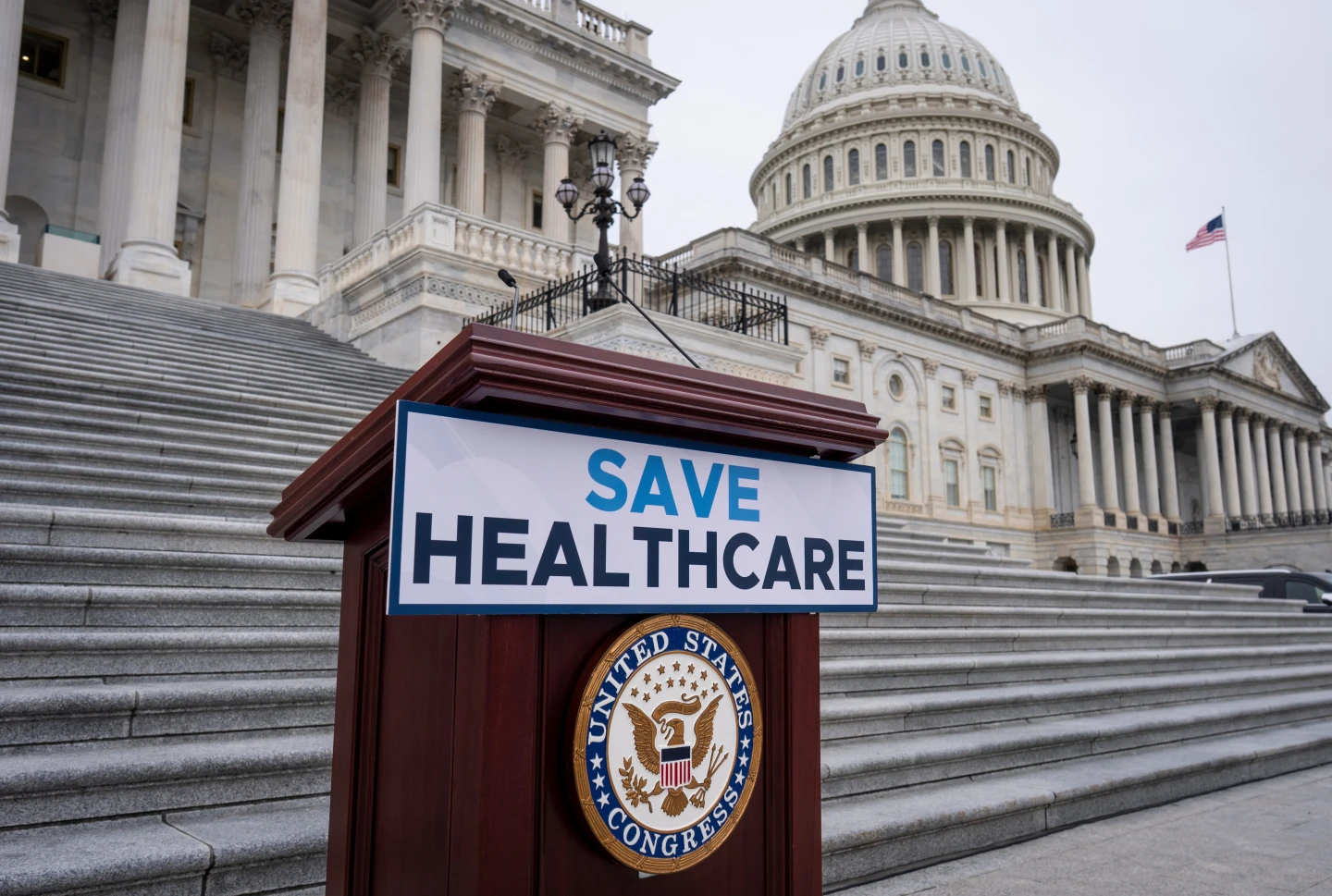
The shutdown started amidst Democratic demands for an extension of a tax credit that would help millions maintain their health coverage. With potential premium increases looming, the issue has become a point of contention ongoing negotiations.
Much of the fallout from the shutdown has prompted calls for accountability among lawmakers, with an overwhelming majority of the public indicating that both parties share culpability. As both sides prepare for upcoming elections, they continue to navigate the complex implications of this shutdown.