
In brief
At a ceremony in Sofia marking Metallurgists’ Day, President Iliana Iotova praised Bulgaria’s metallurgy industry for its 18 % contribution to GDP and urged the sector to add value beyond raw‑material exports. BMIA Chair Nikola Rangelov noted the industry’s €8 billion export product and €3 billion in investment since 2005, and cited productivity gains. The President’s remarks come amid calls for stronger energy supply and import oversight, underscoring the industry’s role in national economic stability and public accountability.
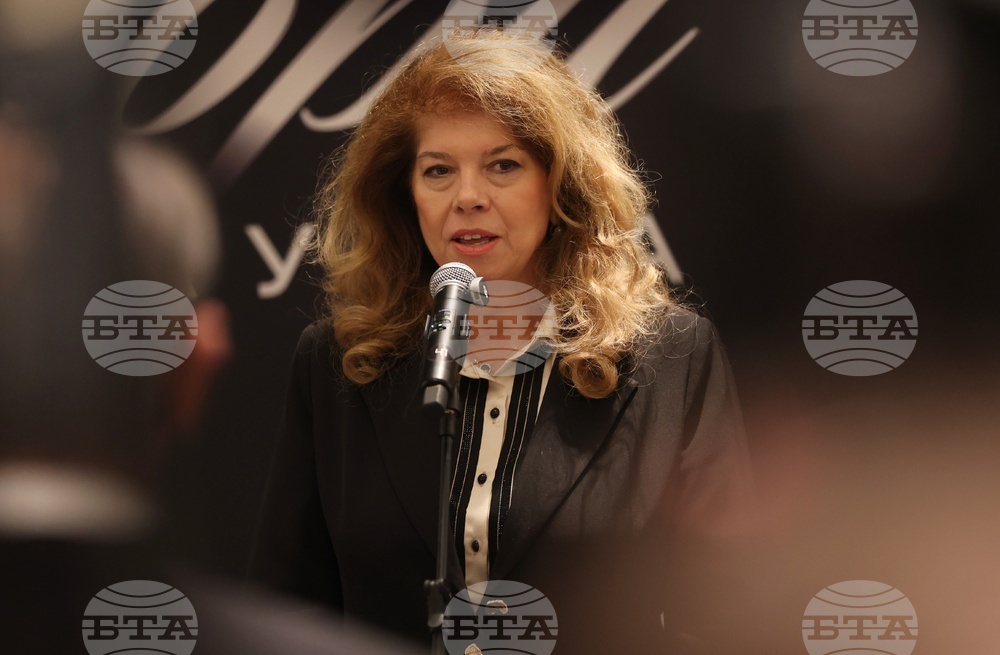
PRESIDENT ILIANA IOTOVA addressed the Bulgarian Metallurgical Industry Association’s 35th anniversary ceremony in Sofia on 5 November 2026, calling for the nation’s metal‑making sector to grow beyond raw‑material exports and to invest in higher value‑added production. The event, timed with Metallurgists’ Day, highlighted the industry’s 18 % share of Bulgaria’s gross domestic product and its role in shaping the country’s industrial future.
In her address, Iotova noted, “It is you, the metallurgists, who may not be at the forefront, in front of photojournalists’ cameras, but who underpin the development of the entire Bulgarian economy.”
Iotova said, "...there is no building, no machine and no advanced technology that does not rely on your production… I would like us not merely to be part of Europe’s supply chains, but to become the companies and enterprises contributing to Europe’s prosperity as a whole."
She added that the industry’s current 18 % contribution to national wealth should rise, adding that the sector already “produces goods of high added value and very good quality,” yet it must “add at least two more stages of production after yours, manufacturing the next product from Bulgarian metals.” Iotova urged an expansion into higher‑value sectors, including automotive manufacturing, and called on the government to improve the energy supply and enact stricter import controls to preserve competitiveness.
Metallurgy’s Economic Weight
BMIA Management Board Chair Nikola Rangelov presented figures underscoring the sector’s importance. He said Bulgaria’s metallurgical industry produces goods worth over €8 billion annually, primarily for export, and that investments since 2005 have totaled more than €3 billion. According to Rangelov, Bulgaria is among Europe’s leading metallurgical producers, especially of non‑ferrous metals, and enjoys a gross value‑added per employee of roughly €49,000 versus the national manufacturing average of about €25,000.
He attributed the higher productivity to ongoing capacity expansion and high‑tech modernization initiatives, noting that of the €3 billion invested, roughly €1 billion has been directed toward new technologies that boost efficiency and competitiveness.
Calls for Strategic Reform
By urging better energy supply and tighter import controls, Iotova’s remarks signal an attempt to enhance public accountability in Bulgaria’s industrial policy. The president’s focus on ensuring that the metallurgical sector remains a domestic driver of growth places emphasis on a more robust, self‑sustaining industry rather than a chain of raw‑material exports vulnerable to global price swings and foreign competition.
Her statement arrives amid growing discussions about the role of major industry sectors in shaping national fiscal health and job creation, themes that resonate with the democracy‑driven civic network’s audience. Citizens who may not directly work in metallurgy will recognize the sector’s widespread influence—structures, transportation infrastructure, manufacturing links, and even consumer goods all depend on metal from Bulgarian plants.
Although the bulletin does not detail specific legislative measures, the president’s call to “move beyond raw material exports” implicitly challenges lawmakers and regulators to consider reforms that promote domestic assembly, technology imports, and skill development. The focus on energy reliability also points at a critical bottleneck: Bulgaria’s heavy industrial activity requires consistent, affordable power, and any disruption threatens not only the metallurgical workforce but also the rural and urban communities that rely on those jobs.
From a civic accountability perspective, the BMIA’s role as a “platform for discussing the protection of the interests of everyone working in the sector” sets a framework for corporate responsibilities and labor rights. By showcasing investment growth and productivity gains, industry leaders highlight success, while the president’s added emphasis on strategic reinvestment underscores a broader societal expectation that profitable sectors contribute to public goods such as employment, regional development, and technological advancement.
In summary, the ceremony’s dual messages—pride in an industry that underpins national prosperity and a call to strengthen that industry’s future—invite both the public and policy makers to examine how Bulgaria can leverage its metalling legacy to achieve sustained, inclusive growth.

