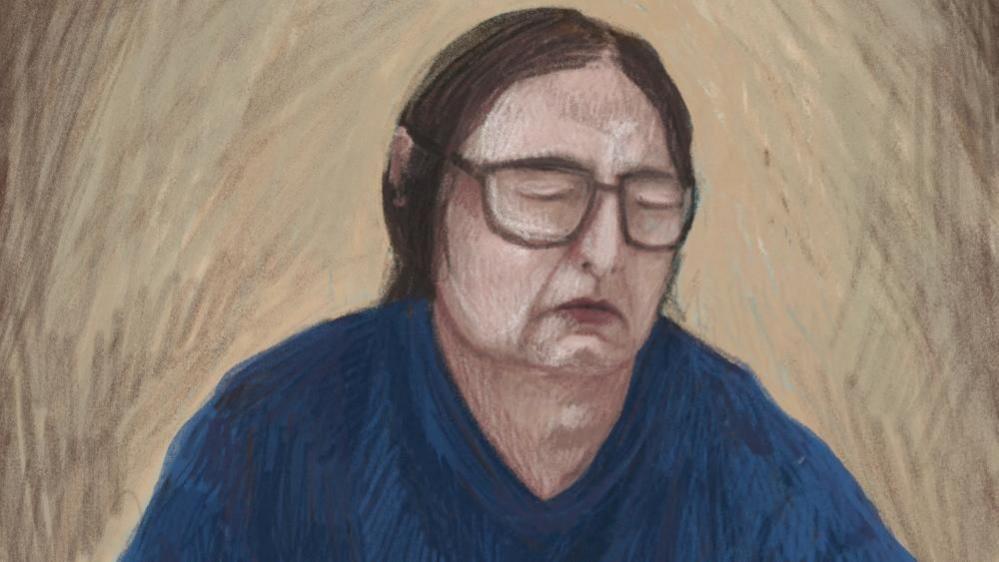
Erin Patterson Appeals Life Sentence After Mushroom‑Murder Trial
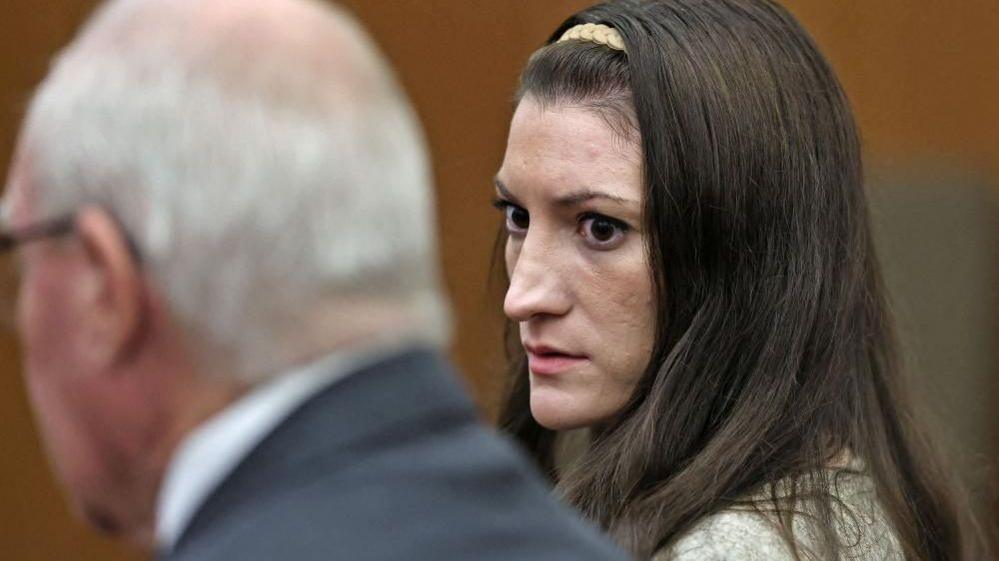
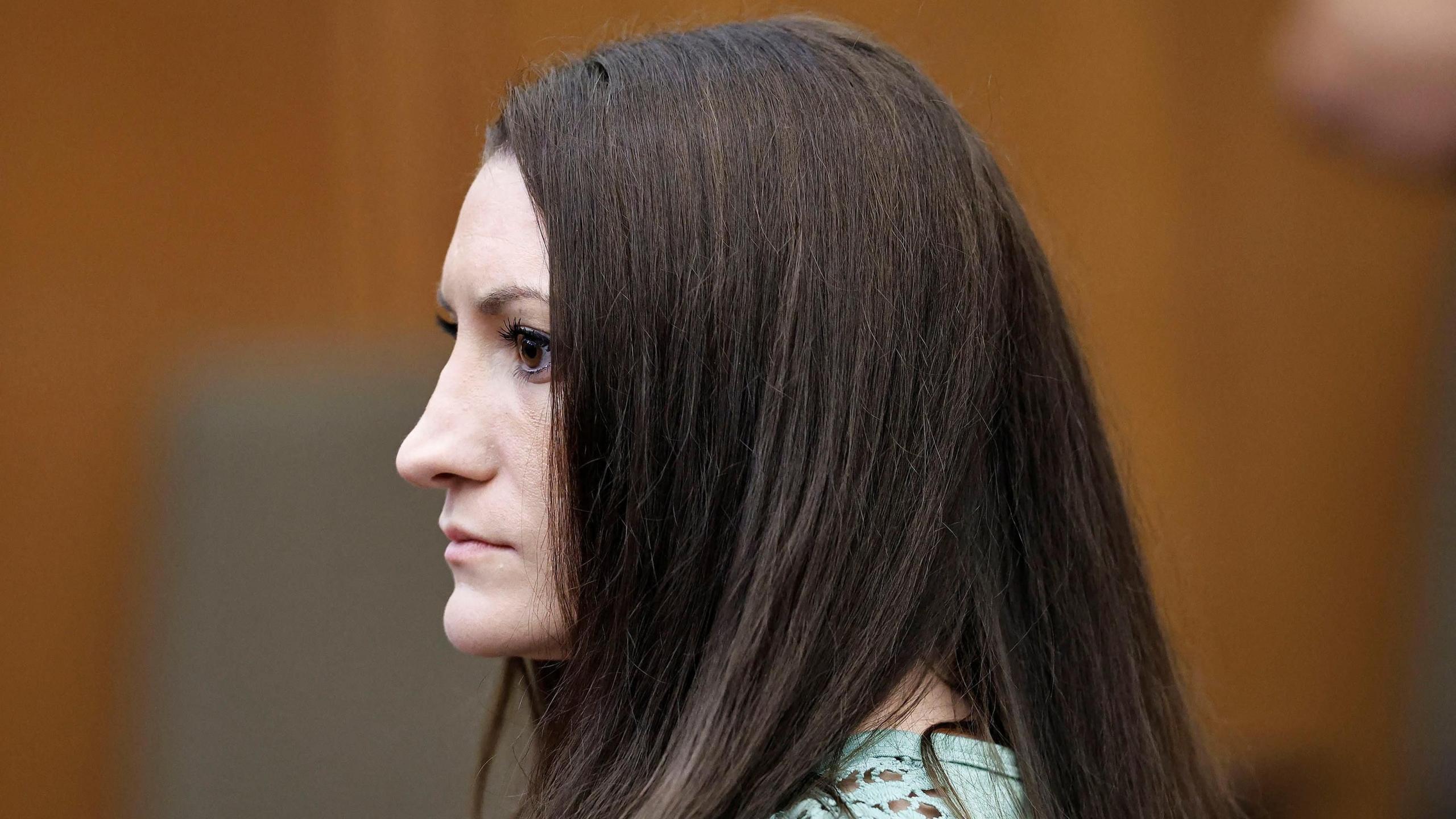
In a move that has reignited national debate, Erin Patterson – 51, of Victoria – is appealing a life‑sentence verdict handed down in September 2023 for the deaths of her in‑laws Don and Gail Patterson (both 70) and Gail’s sister Heather Wilkinson (66). The case centers on a dinner that turned into a tableau of poison when the trio of relatives were served beef Wellington dressed with death‑cap mushrooms.
Patterson maintains that her actions were accidental, citing a long‑term habit of mushroom foraging and an absent intentional motive. She argued that key evidence presented at trial – mobile‑phone tracking to mushroom‑infested areas, a barrage of Facebook posts insulting her family, and photographs of her foraging – should have been excluded for prejudice.
Her defence further complains that “unfounded” cross‑examination lasting five days by barrister Nannette Rogers was “unfair and oppressive”, and that the prosecution was inconsistent on motive. An even more controversial claim is that jury members, housed in the same hotel quarters as media and prosecution witnesses due to a surge in press interest, exchanged information despite court‑ordered separation. These alleged irregularities could “fundamentally undermine” the verdict, Patterson’s lawyers contend.
The Crown, through the Department of Public Prosecutions, is not silent: it is appealing the parole eligibility of 33 years, arguing it is “manifestly inadequate” given the severity of the crime and Patterson’s solitary confinement record. Chief Justice Christopher Beale cited harsh prison conditions and solitary confinement, noting a substantial risk to Patterson’s safety and a “substantial chance” of long term isolation.
The court of appeal will take weeks to issue a decision. If the judges overturn the conviction, a retrial or an acquittal could be ordered. If the prosecution’s appeal succeeds, Patterson may face extended parole or a life‑without‑parole sentence that would effectively rule out any future release.
The unfolding appeal illustrates the fragility of criminal justice outcomes when procedural doubts surface, and highlights the wider public wariness of courts where media, emotions and evidence collide.