In brief
The Kenya Wildlife Service reports that 15 elephants found dead near Amboseli National Park were likely poisoned by consuming tomatoes sprayed with pesticides on nearby farms. Laboratory tests detected cyanide in carcasses, and most animals showed signs of paralysis before dying. Authorities have ruled out foul play and assured the public that the toxic substances pose no immediate risk to humans. The incident highlights growing tensions between expanding agriculture and wildlife conservation as elephants seek food and water on farmland.
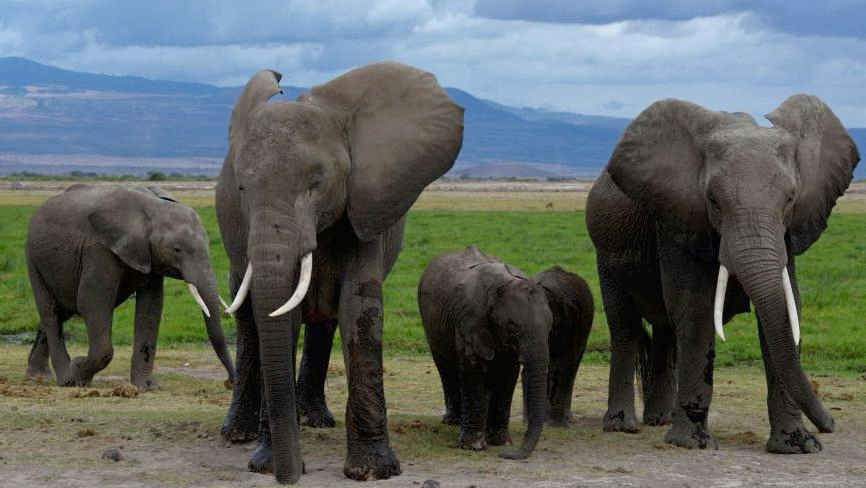
The Kenya Wildlife Service (KWS) reports that fifteen elephants found dead outside Amboseli National Park were probably poisoned after eating tomatoes that had been sprayed with pesticides on nearby farms.
Preliminary laboratory tests showed cyanide in samples taken from the animals’ carcasses, and most among them exhibited signs of paralysis before dying within two days. The five remaining elephants were already deceased when discovered.
Investigations continue, with authorities ruling out intentional foul play and reassuring local media that the exposed toxins present no immediate danger to human health.
The incident raises concerns about expanding agricultural activity near the park, as elephants often venture onto farmland looking for food and water.
Amboseli, a vast ecosystem straddling the Kenya–Tanzania border, is renowned for its wildlife. This is the first time in decades that elephants in the region have died in a cluster despite serious anti‑poaching efforts.
The deaths involve individuals of varying ages and sexes, suggesting that the hazard does not target a single group.
KWS confirms that the fatalities occurred over a month, from 24 June to 24 July 2026. The Amboseli Trust for Elephants, which monitors elephant movements, estimates the local population at more than 2,000 as of 2025.