In brief
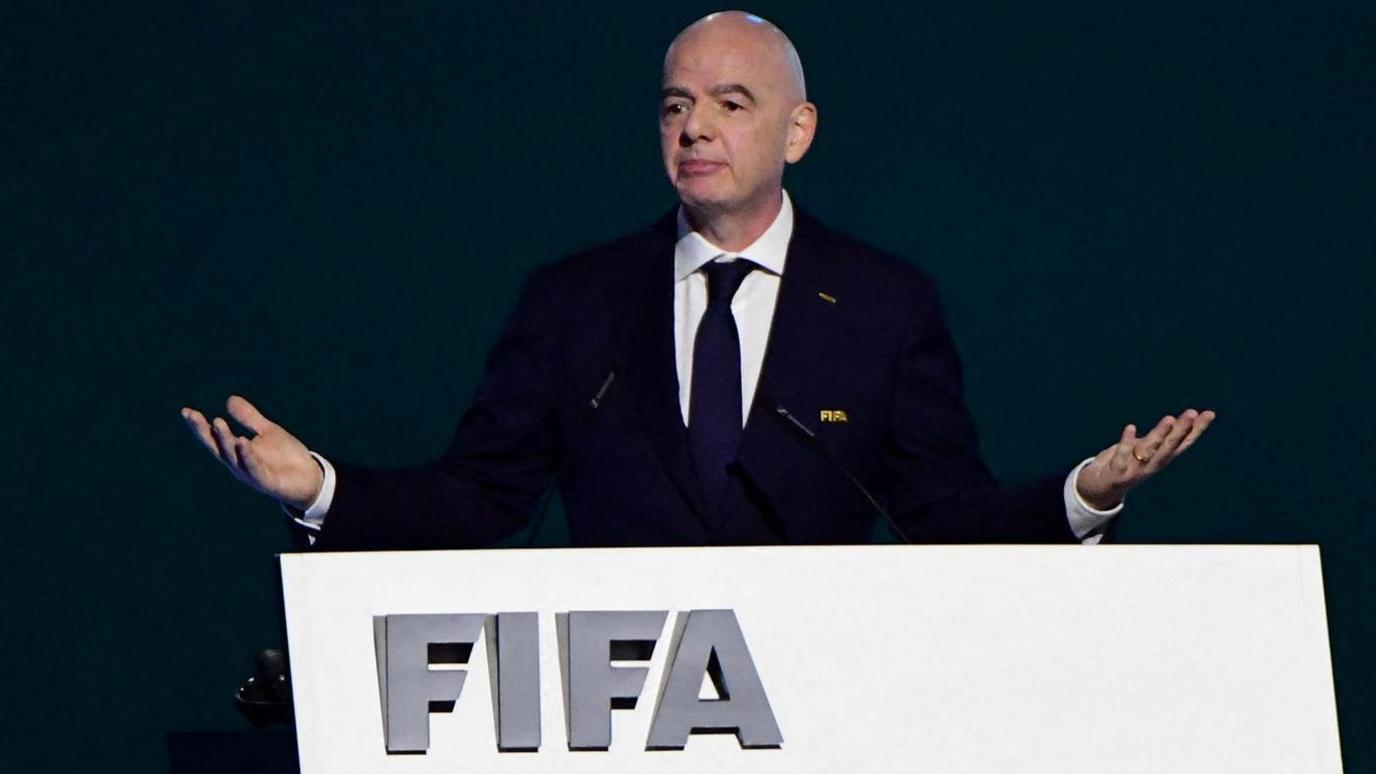
FIFA’s 10‑year‑old president Gianni Infantino is under intense scrutiny as European football bodies threaten to stop cooperating with FIFA unless he resigns. The backlash stems from his controversial plan to commercialise World Cup events through a subsidiary, FFE, which could invite private investors to own stakes. UEFA has warned of legal and arbitration actions, while several national associations—including Wales, England, Serbia, Sweden and Finland—have withdrawn backing. The pressure is compounded by a provision that could force an emergency council meeting if 19 of the 37 council members call for a stop‑clock. If Infantino does not step down, the conflict could widen beyond Europe, potentially destabilising global football governance.
Gianni Infantino, FIFA’s president for a decade, is at the centre of a brewing storm as a coalition of European football associations threatens to halt cooperation with the global governing body unless he steps down.
The conflict began when Infantino unveiled plans to create a commercial subsidiary, the FIFA Forward Enterprise (FFE), to run major tournaments such as the World Cup. The subsidiary would accept minority, non‑controlling investments from external parties, a move that has been criticised for undermining the sport’s integrity. UEFA’s chief legal advisor sent Infantino a letter warning of possible arbitration, regulatory complaints, and even legal action if the FFE plan proceeds without proper oversight.
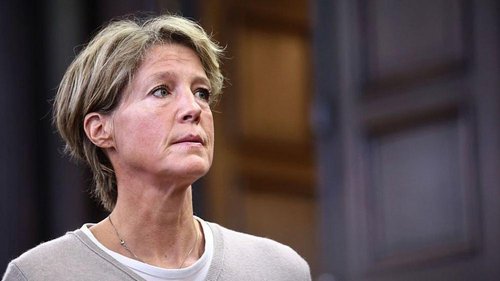
The letter also demanded that FIFA preserve all documents related to the investment scheme, including emails, instant messages, and meeting notes, and to maintain them for a specified period. UEFA’s vice‑president Laura McAllister called the move a “clear call for action” and urged a change of leadership next year.
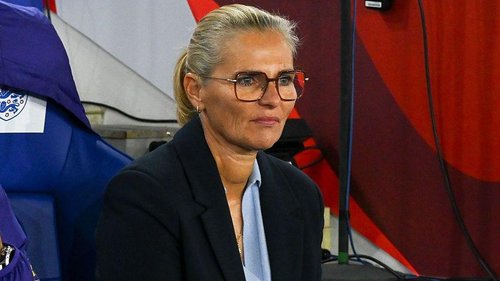
While several national associations have distanced themselves from Infantino, Wales and England have already publicly withdrawn their backing for a fourth term. Additional withdrawals have come from Serbia, Sweden and Finland, creating a tipping point that could push UEFA into a formal “loss of confidence” stance over Infantino’s mandate.
Nevertheless, a few associations still back him, notably Morocco, Qatar, Lebanon, Kuwait and Sri Lanka. UEFA’s collective vote on the president’s re‑election requires 106 votes out of 211 member associations; the current split makes the outcome uncertain.
An emergency council meeting, which could be called within two weeks if 19 of the 37 FIFA Council members request it, could force Infantino to resign. The council’s composition—UEFA (9 members), AFC (7), Concacaf (5), Africa (6), Conmebol (5), and Oceania (3)—along with Infantino and the secretary‑general, means any motion would need wide support.
The unfolding drama demonstrates a split never seen before in world football, with factions seeking to isolate Infantino and push for new leadership. Should the boycott grow beyond Europe, the conflict could widen to Asia, potentially altering the global balance of football governance.