Forgotten Antarctic Fossil Becomes First Dinosaur Bone Discovered on the Continent
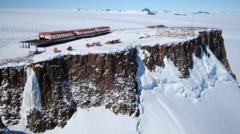
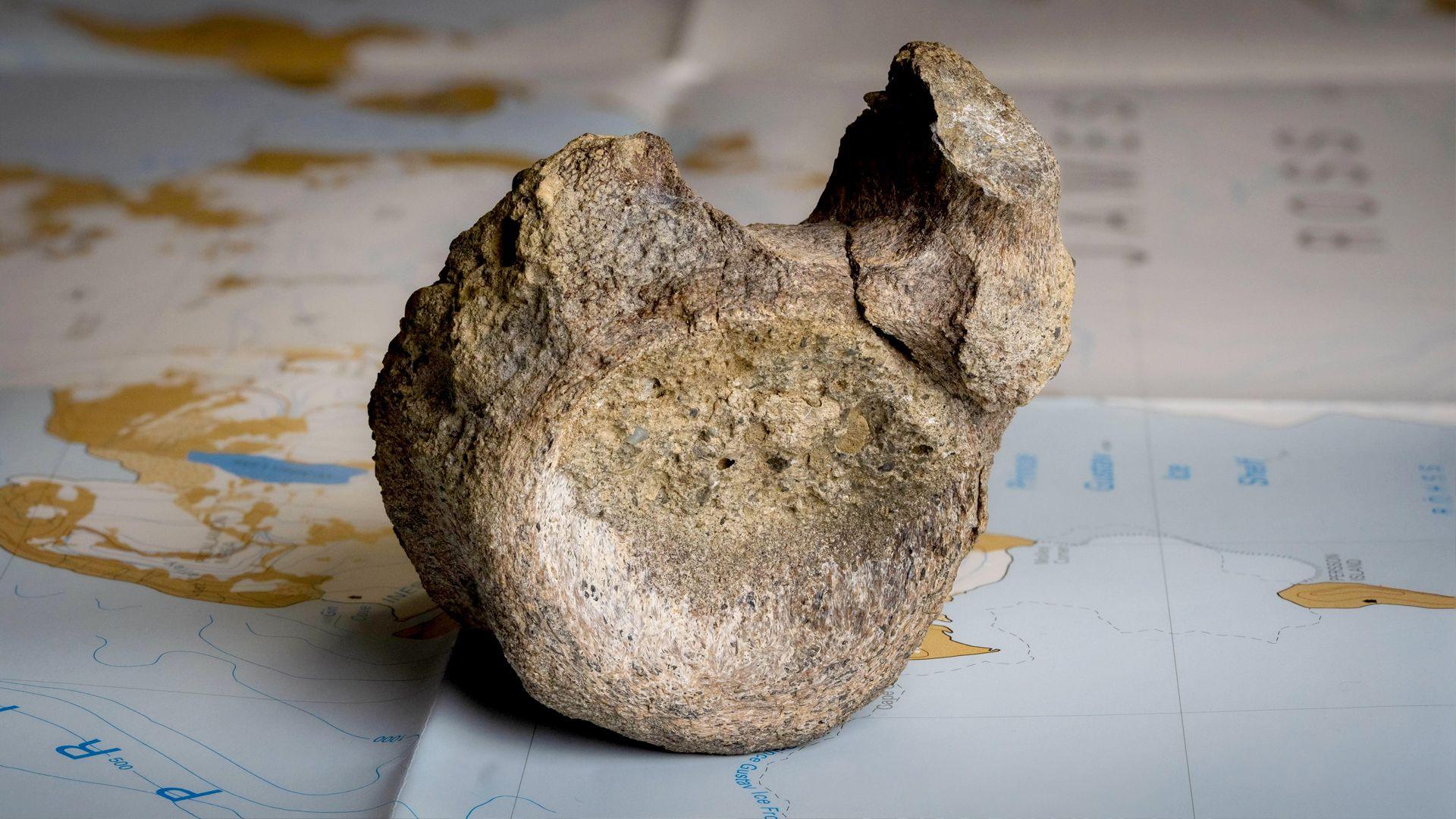
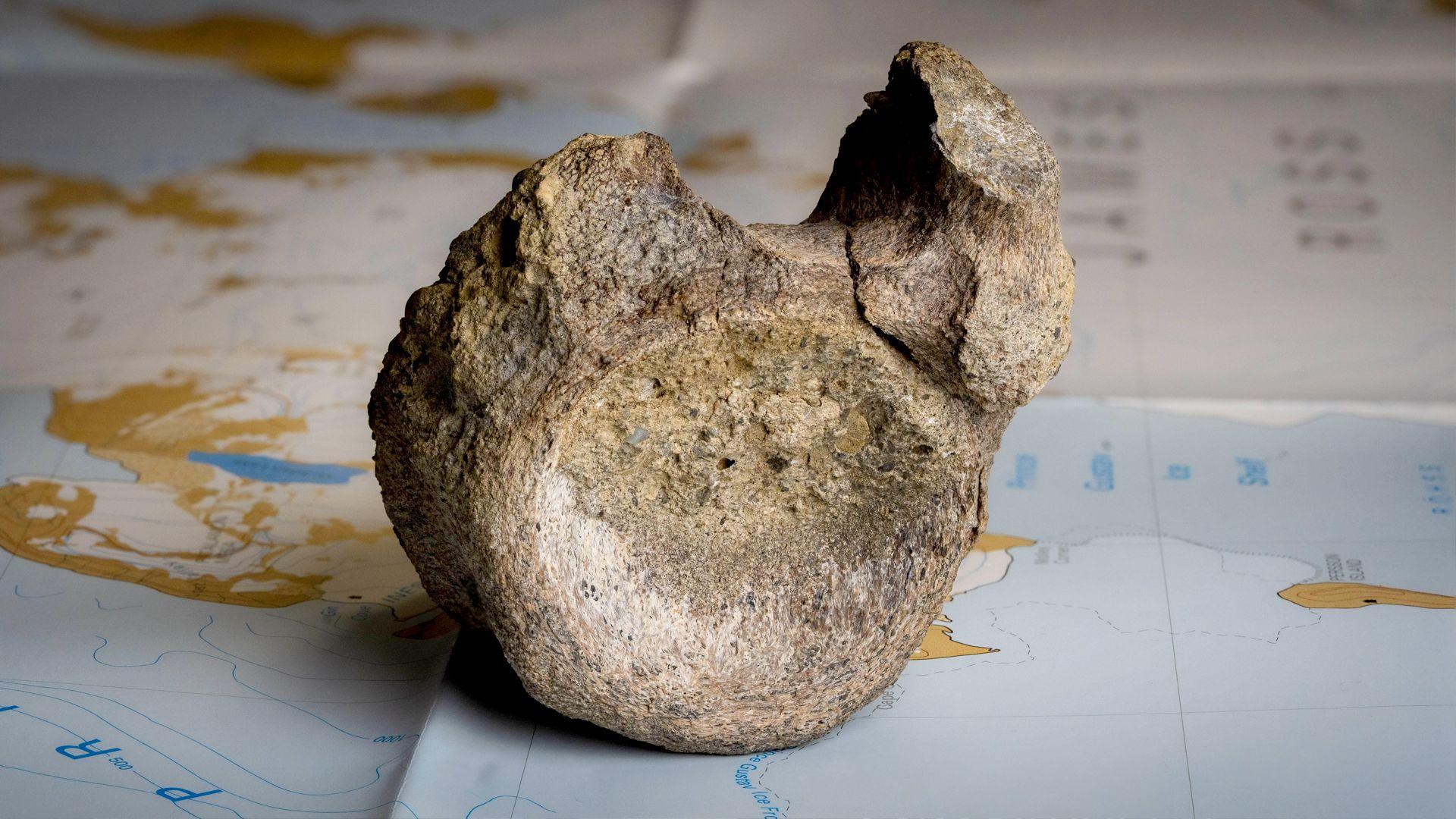
For four decades a small bone lay quietly in a drawer at the British Antarctic Survey (BAS) in Cambridge, long after being lifted from James Ross Island in 1985. The object, a vertebra about 10 cm wide, had been mislabelled as a marine reptile in a field notebook kept by Dr Mike Thomson.
During a routine audit of the BAS geology collection, Dr Mark Evans spotted the fossil and suspected it was a dinosaur. He consulted Prof Paul Barrett from the Natural History Museum, who confirmed that the shape was characteristic of a Titanosaur, one of the largest groups of plant‑eating dinosaurs.
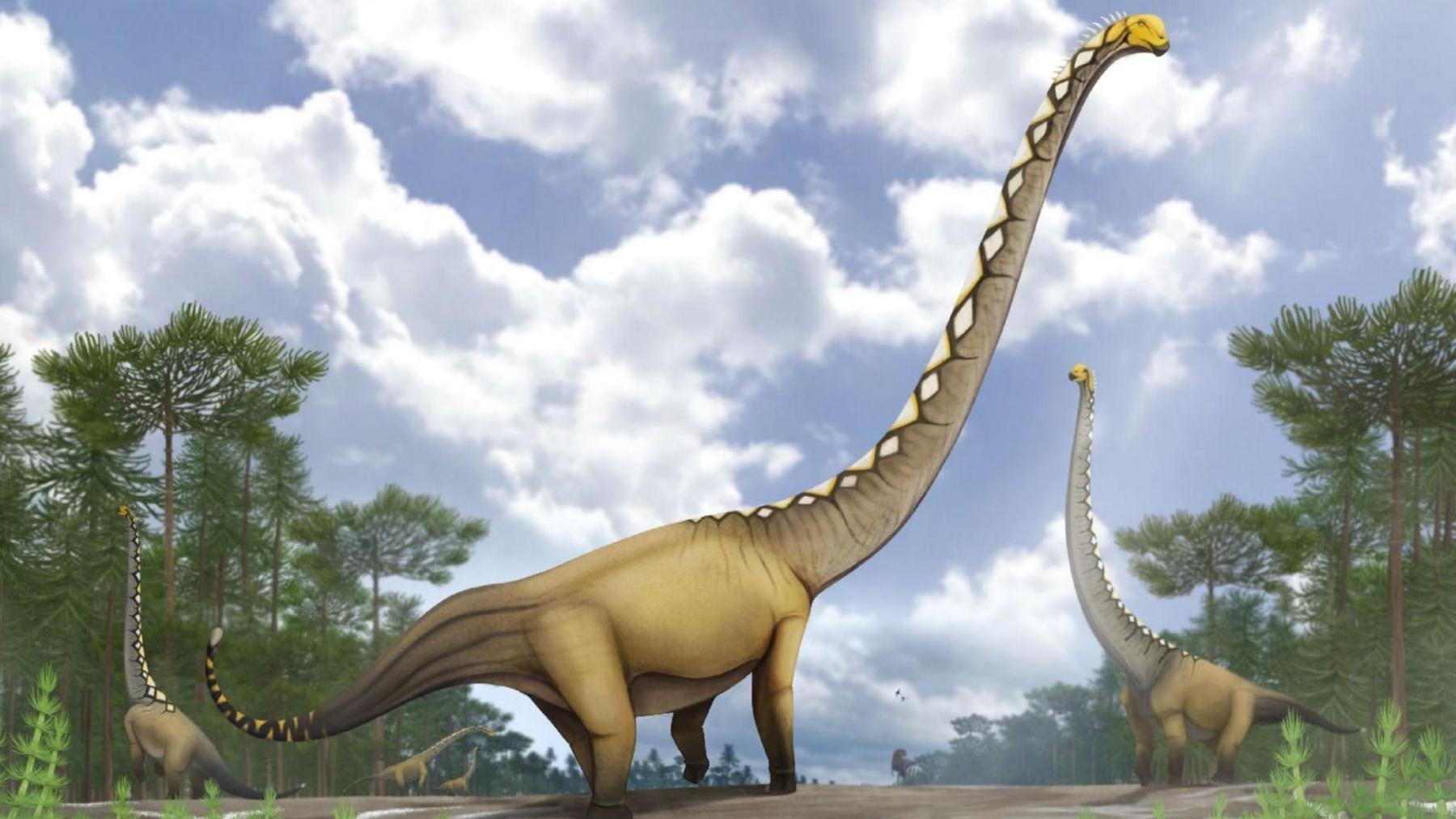
Titanosaurs were large sauropods with long necks and tails that helped maintain balance. The Antarctic specimen suggests a young individual, roughly 7 m long and weighing a few tonnes, lived about 80 million years ago during the Late Cretaceous, when the continent was covered in dense forest.
The discovery is significant because the fossil record in Antarctica is sparse, with few dinosaur remains recovered since the 1980s. It shows that areas now inhospitable were once fertile ecosystems, and provides a new piece of evidence for how titanosaurs fit into the global Late Cretaceous environment.
Further details of the find have been published in Acta Palaeontologica Polonica, offering a comprehensive account of the specimen’s morphology and the context of its discovery. The paper is available online for researchers and enthusiasts alike.