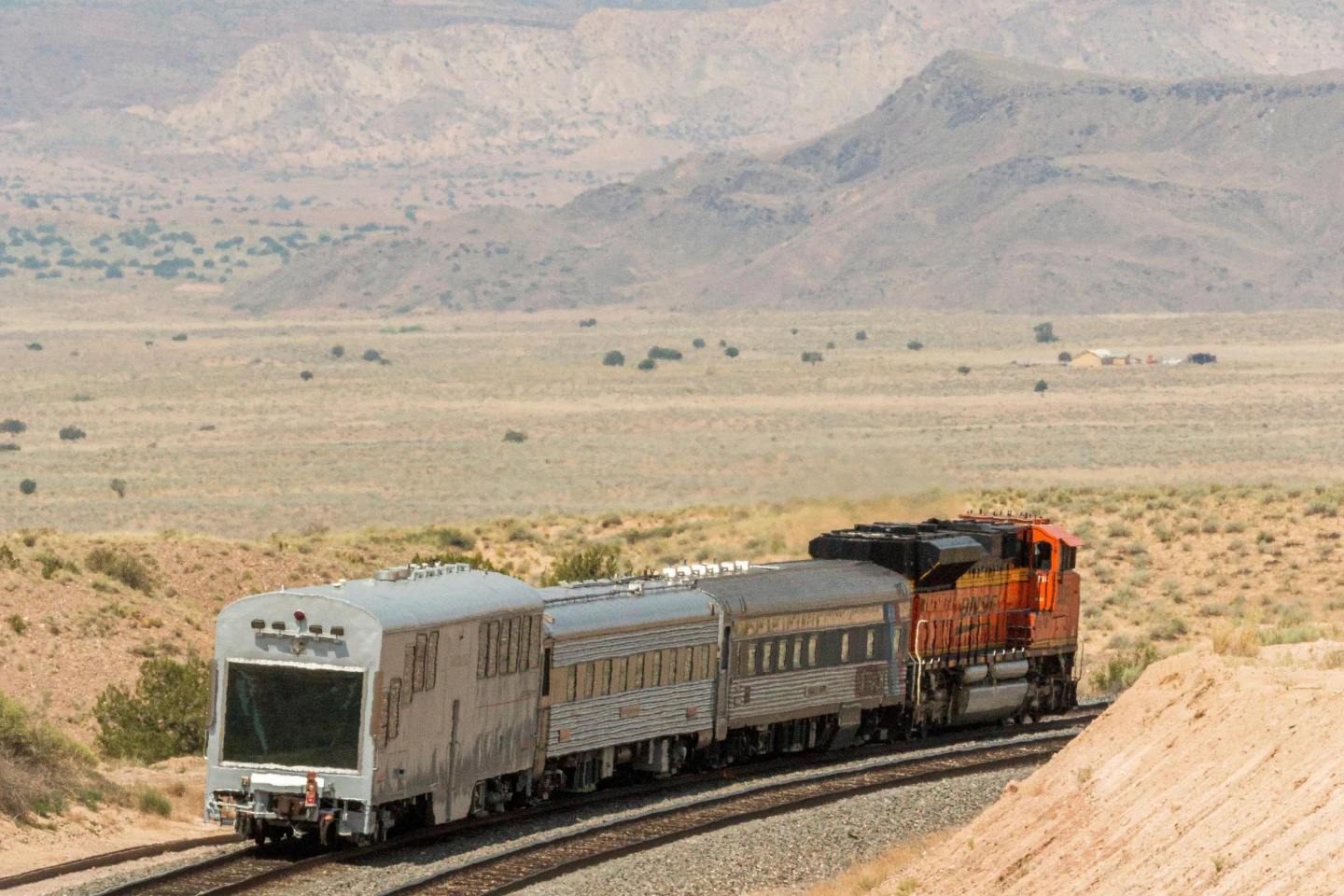
The nation’s freight railroads will soon be able to rely more heavily on technology to monitor their tracks, following a waiver approved by the Federal Railroad Administration (FRA) on Friday. This change allows railroads to cut down on in-person inspections, which have been a regulatory requirement since 1971.
The Association of American Railroads (AAR) petitioned for the waiver, arguing that advancements in automated track inspection technology have rendered traditional human inspections less necessary. They cited tests conducted by BNSF and Norfolk Southern, which indicated improved safety despite reducing manual inspections from twice a week to twice a month.
While the FRA has allowed for weekly inspections instead of bi-weekly ones, it did not grant the railroads’ additional request for a three-day window to address defects identified by automated inspections. Instead, the FRA maintains that immediate repairs are necessary for serious track defects, with all other issues to be resolved within 24 hours.
Concerns Raised by Unions
The Brotherhood of Maintenance of Way Employes Division, which represents track inspectors, has expressed concerns that automated systems may not adequately identify all potential hazards, such as shifting ballast or the deterioration of railroad ties. Union President Tony Cardwell highlighted that while technology aids inspections, it cannot replace the attentive eye of a seasoned inspector, who may detect a series of smaller issues that could collectively pose a derailment risk.
“This is everyday defects across the entire country that we find through visual inspections that cannot be detected by this machinery,” Cardwell commented, referring to the current state of automated technology as “a glorified tape measure.”
Despite these objections, railroads like BNSF believe that their automated systems are more efficient than manual inspections. They reported that over two years, the manual inspections uncovered only 0.01 defects per 100 miles, while the automated inspections revealed 4.54 defects per 100 miles under reduced inspection regimes.
Shifting Focus of Inspections
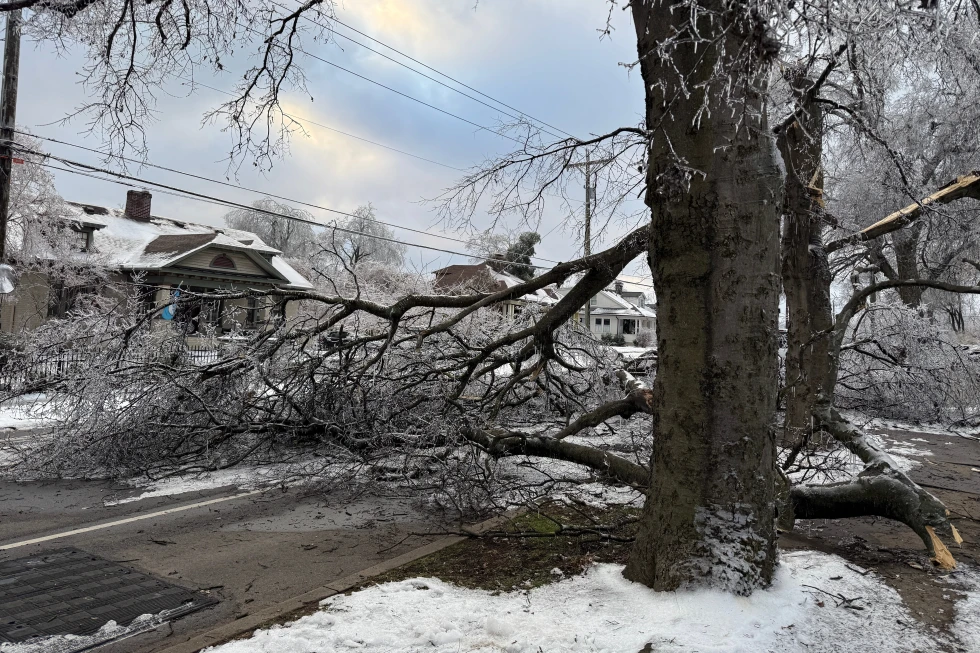
Railroad representatives argue that reducing frequency in track inspections would not compromise safety but rather allows inspectors to focus on critical components such as switches that also require manual checks. Norfolk Southern noted that even with less frequent regular inspections, they will continue to conduct special inspections after severe weather or flooding events to ensure track safety.
Nevertheless, union safety director Roy Morrison raised concerns that inspectors develop a nuanced understanding of their territories that helps them recognize subtle changes over time. This familiarity, he argues, may diminish with reduced inspection frequency, potentially jeopardizing overall safety.
As freight railroads transition to more technology-driven inspection processes, the debate over the balance between automation and human oversight in rail safety is set to continue.