In brief
Afghan women’s national team, long banned at home under Taliban rule, has finally gathered for the first time in years, travelling 8,000 miles to New Zealand. FIFA’s 2024 decision to recognize Afghan Women United broke the barrier that kept the squad in exile, allowing them to train, play unofficially and aim for future World Cup and Olympic qualification. The team, made up of refugees in diaspora, blends personal stories of exile, survival and hope as they face opponents like the Cook Islands. While the matches ended in defeat, the event marked a decisive step toward reclaiming a national identity on the global football stage.
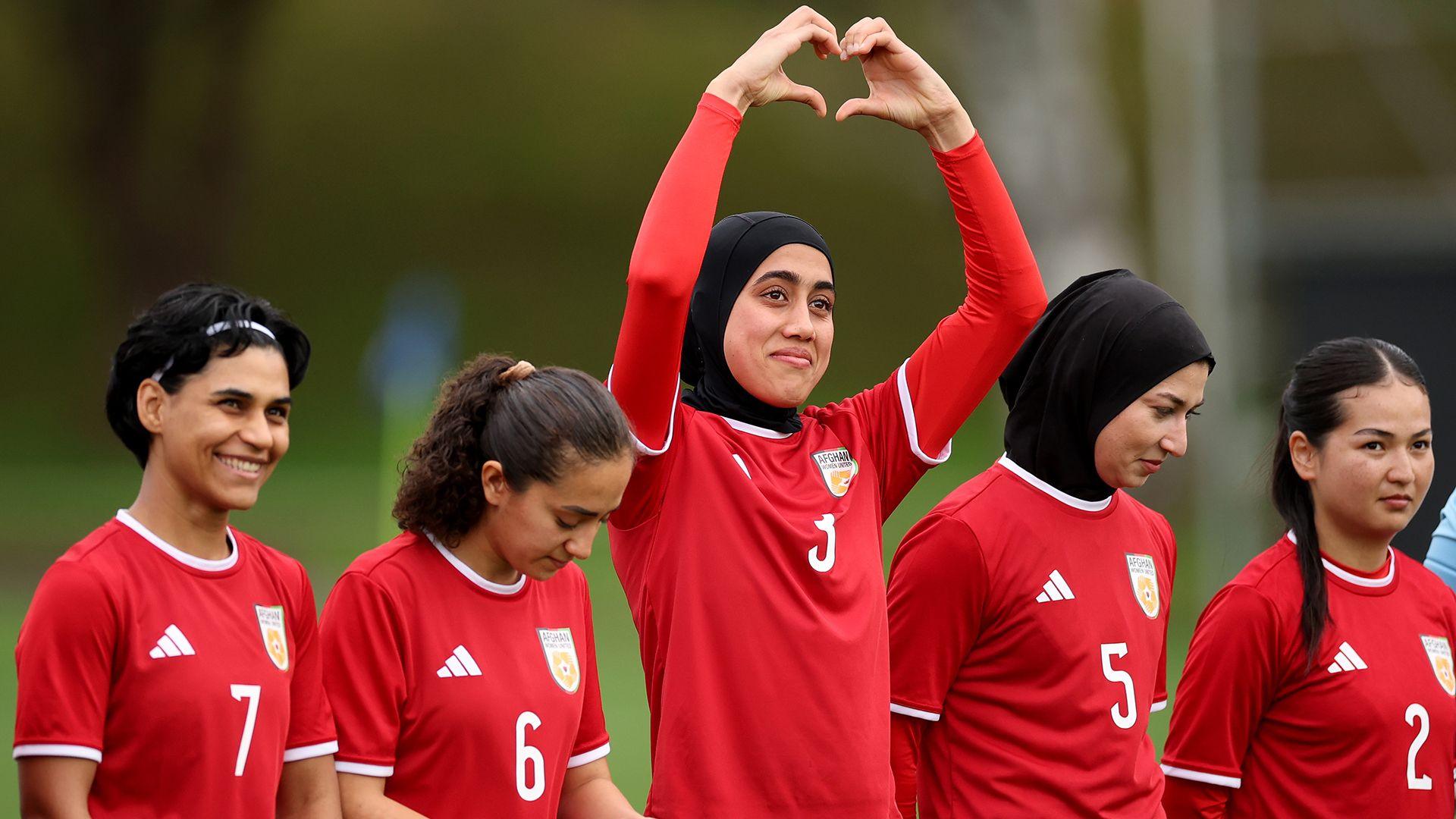
After years of exile, Afghanistan’s women football team, banned at home by the Taliban, has travelled 8,000 miles to New Zealand for a training camp and two unofficial friendly matches against the Cook Islands. The reunion is historic – FIFA’s 2024 ruling finally gave the squad legal status, allowing it to train, compete and hope for future World Cup and Olympic qualification.
"Be strong as always because we are representing Afghan women," midfielder Fatima Haidari told her teammates as they stretched, tightened boots and embraced. In the changing room, an Afghan flag flanked a patriotic song, and tears mixed with laughter when members of the team sang the anthem together. A brief huddle with coach‑nurtured words of encouragement followed, before the squad stepped onto a pitch that for years had been deemed forbidden.
The 23‑player squad was assembled from Afghans living in Australia, the UK, Portugal and elsewhere. Hundreds of kilometres and legal hurdles were required to secure travel documents for the five‑year‑old team. Eighty‑one stories of personal hardship – banned from schooling, threatened by family, forced to bury medals – converge in Auckland’s team hotel, preparing for the matches that won with the scorelines 1‑0 and 3‑0 in favour of the Cook Islands.
Noori, who fled Afghanistan after burying her medals in a garden, is now an Australian resident. Growing up on Kabul streets, she played covertly in boys’ leagues, later rising through the ranks in Afghan clubs. Taliban restrictions forced her to conceal her identity, and family tensions grew when her on‑camera interviews sparked a fight. The Taliban’s resistance to women’s sport was finally neutralised when FIFA recognised Afghan Women United without Taliban approval – a step the players hail as historic and proud.
Sadat, one of 24‑year‑olds who fled in 2021, now coaches youth teams in Australia and advocates on women’s rights. She reflects that, had she not played football, she would still be in Afghanistan, excluded from education and free choice. Likewise, Najma Arefi, now based in England after escape, recalls training in temperatures above 45°C as a girl in Herat, a condition that nevertheless lifted local attitudes toward women’s sport.
While the official scorelines look bleak, the matches were a symbolic punch in the gut for Afghan society: a statement that women athletes, despite displacement and oppression, have not disappeared. As the team trains and plays, they claim dignity and a future on the international stage, while the world observes the resilience of women who defied silence and claimed the football field as a place for hope and change.