The release of thousands of pages of documents related to the late sex offender Jeffrey Epstein's abuse has left some who were anxiously awaiting the files disappointed.
The documents' release was prompted by an act of Congress that directed the US Justice Department (DOJ) to make materials related to Epstein's crimes public. However, the files contained numerous redactions and some documents have not been shared publicly at all.
Lawmakers who pushed for these documents to see the light of day have described the release as incomplete, criticizing the Justice Department's efforts as insincere. Legal experts warned that the extent of these redactions may only fuel ongoing conspiracy theories.
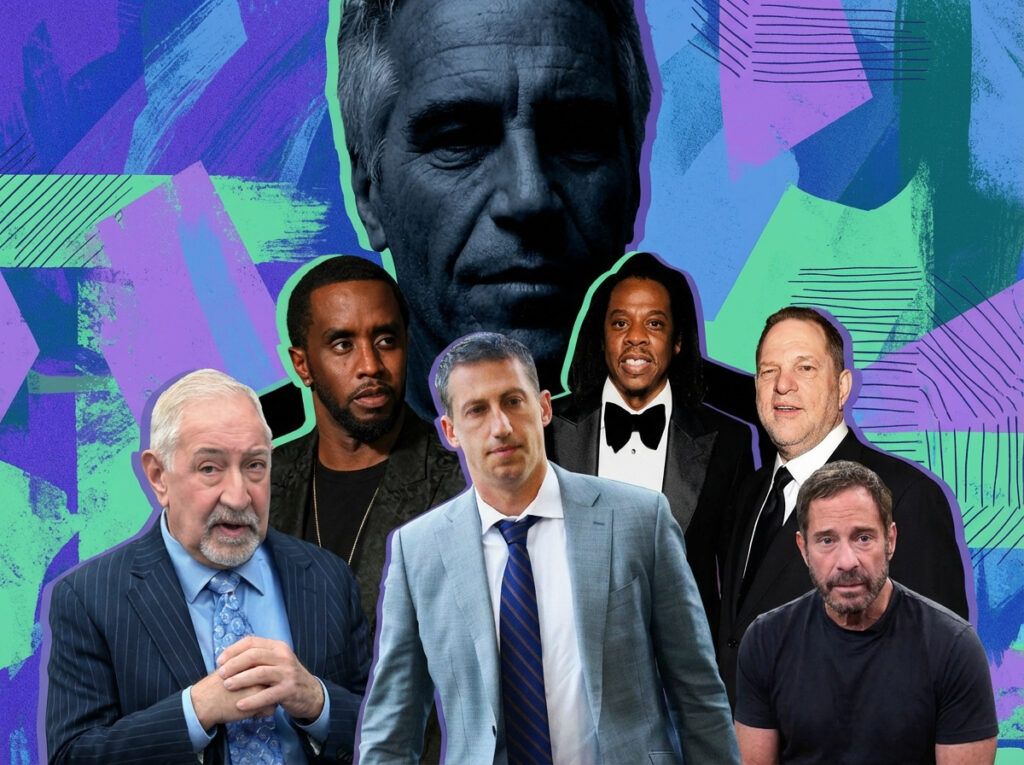
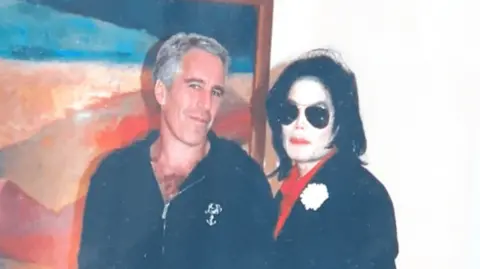
Deputy US Attorney Todd Blanche stated that the department identified more than 1,200 Epstein victims or their relatives, withholding material that could potentially identify them. Among the information released were various high-profile photographs and claims about Epstein's connections with prominent figures.
Disappointment echoed among survivors like Liz Stein, who expressed concerns over a 'slow roll-out of incomplete information' and called for all evidence to be made available. Democrat Congressman Ro Khanna decried the release as 'incomplete', indicating possibilities for further congressional action.
Meanwhile, the DOJ maintains that redactions were made to protect victims' identities and personal information. In their statement, the DOJ clarified they are not redacting names unless they are victim-related.
Overall, the release of Epstein files has sparked a renewed debate about governmental transparency and the rights of abuse survivors to access vital information. Survivors and lawmakers alike remain vigilant in demanding complete disclosures to bring the full scope of Epstein's crimes to light.
}