Fujisawa faces a test of identity as Japan’s first mosque opens
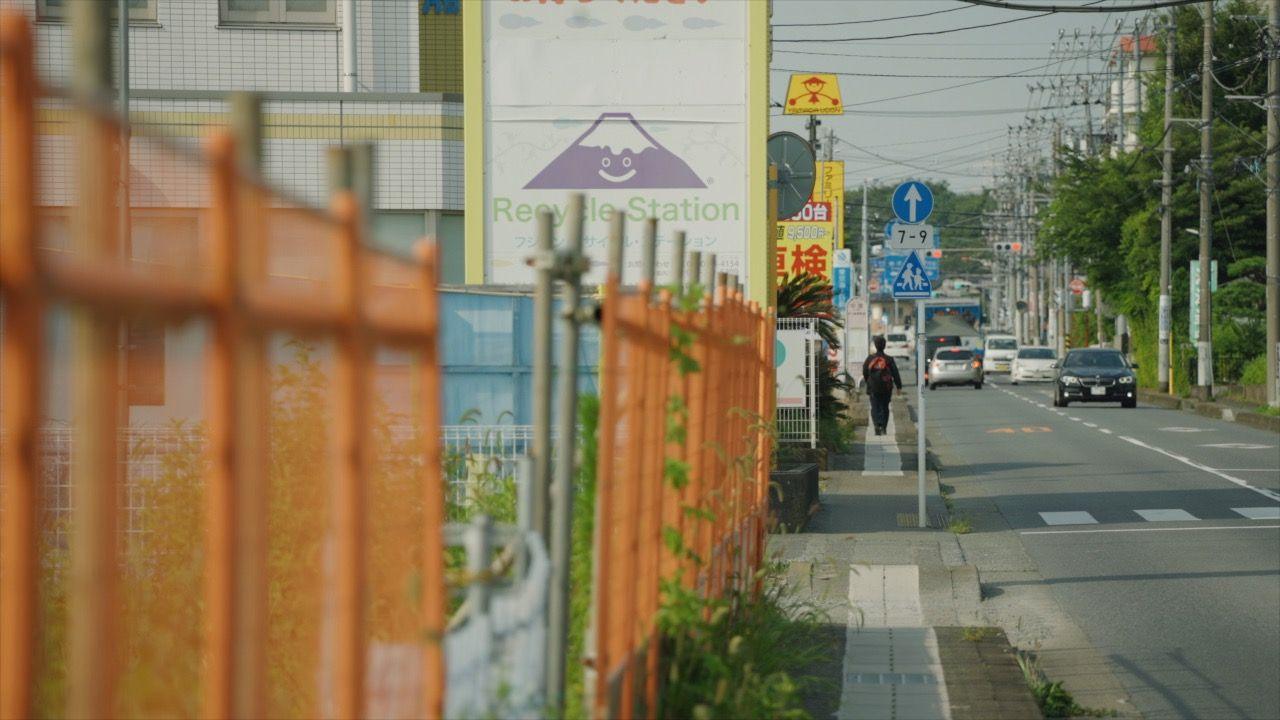
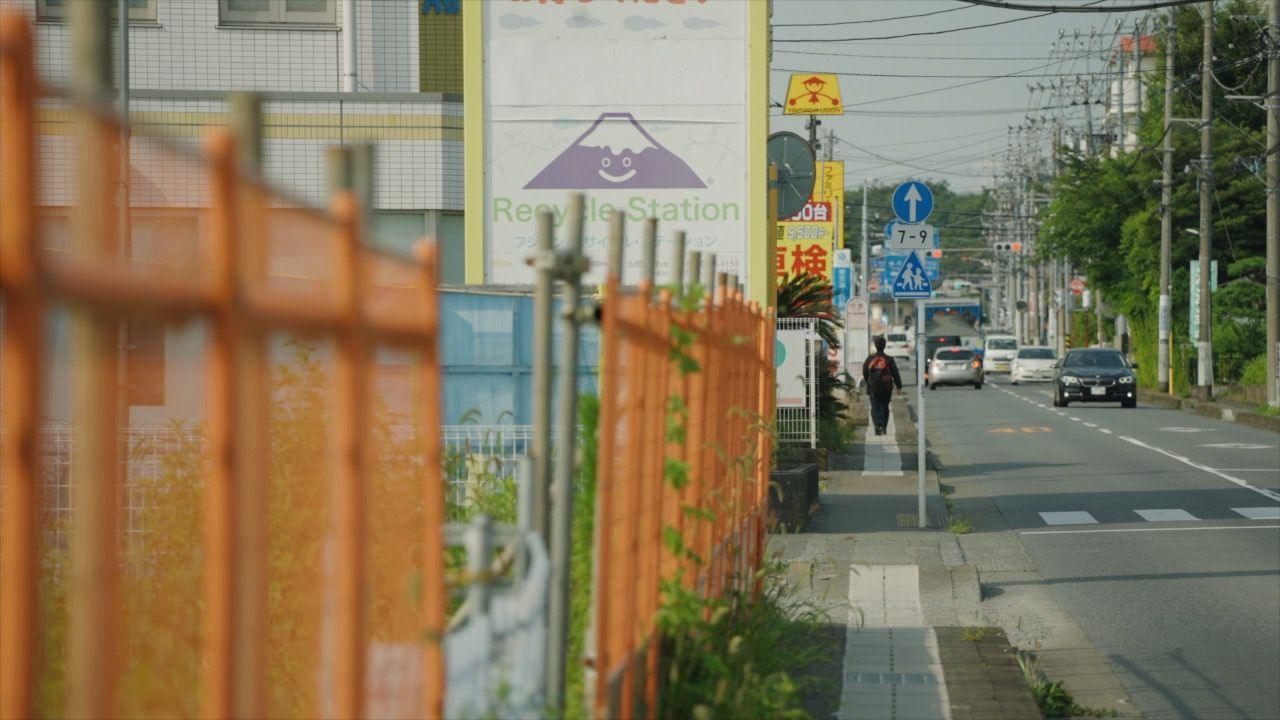
Today the site is a patch of grass, but by spring it will change. A mosque will be built in the seaside town of Fujisawa, a place many locals recognise as a quiet refuge from Tokyo’s bustle.
“It makes me worry about how our community might change,” says long‑time resident Noriko Izumizawa. Many residents share her anxiety, fears of unfamiliarity, and a sense that the upcoming mosque might be a sign of a broader shift.
The plan for an Islamic worship centre was announced earlier this year. It sparked protests at the train station where thousands gathered, arguing that a mosque larger than the traditional Shinto shrine is disrespectful.
In the days since, social media has borne the brunt of hate speech and misinformation, with reports of abusive phone calls and emails directed at mosques. Anti‑hate groups held anti‑mosque protests to counter the harassment.
A local coffee shop owner, Hiroki Suzuka, was in the middle of a conflicted stance. “I’m not particularly opposed, but I wouldn’t say I’m strongly in favour either. I think the first step is to learn about them, what Islam is, what kind of people they are, and what values they hold. It begins with an open mind and a desire to understand each other,” he says.
The broader context: immigration and identity in Japan
Japan’s Muslim population rose from 230,000 in 2019 to about 420,000 by the end of 2024, while the foreign‑resident population reached over four million in 2025. The government has pushed visa policies that are seen as “stealth” immigration, with a recent decision to raise visa fees fivefold and increase enforcement staff.
Such demographic shifts force Japan to confront questions about its national identity and the possibility of a more diverse society while maintaining a sense of cohesion.
In Fujisawa, respondents like Izumizawa admit they have never had negative experiences with Muslim neighbours personally, but the collective fear of the unknown remains. “Maybe I just fear the unknown,” she says.
Additional reporting by Chie Kobayashi