In brief
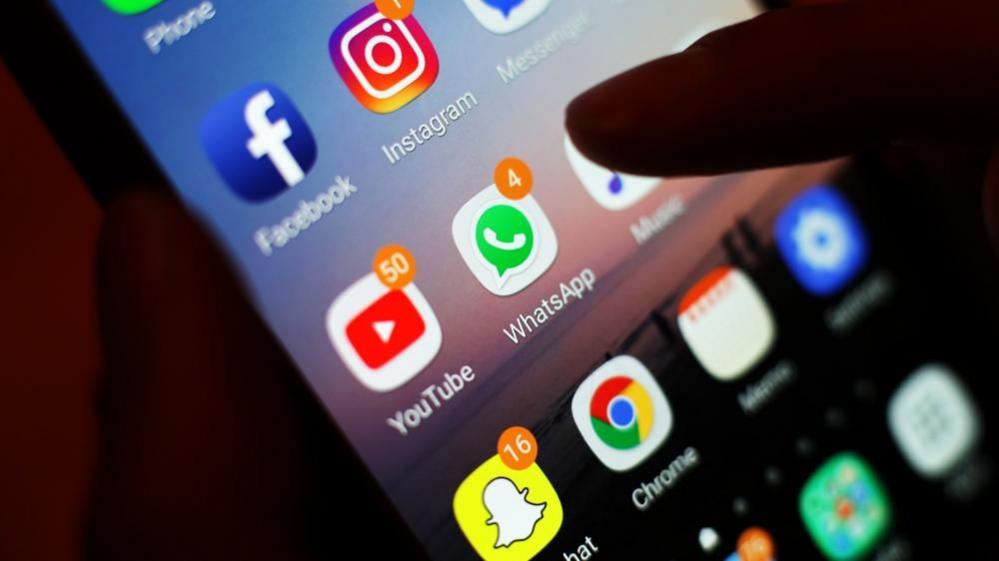
Officially, the High Communication Authority announced that Facebook, TikTok, YouTube and Instagram are now accessible again following an eight‑month ban. The restriction, imposed in February amid unrest over President Brice Oligui Nguema’s contentious re‑election, was justified by the regulator as a move against online content that allegedly fueled conflict. Many Gabonese previously turned to VPNs to bypass the ban, highlighting the digital divide. The lifting comes after protests by teachers, civil servants and opposition groups who labeled the ban an abuse of power. Democratized journalists now report the repeal as a step toward restoring free flow of information in the oil‑rich nation.
By Jaroslav Lukiv
The High Communication Authority (HAC) announced on Saturday that a nationwide ban on social media platforms was lifted after eight months of restriction, a decision that followed widespread criticism and calls for free speech.
The ban, imposed on 17 February, was justified by the HAC as a response to online content that the authorities claimed was fueling conflict and deepening societal divisions. It specifically targeted major platforms such as Facebook, TikTok, YouTube and Instagram, all of which had become vital tools for Gabon’s 2.5 million residents, especially the youth.
During the blackout, many citizens resorted to VPNs to access blocked sites, exposing the resilience of digital communities and the importance of online expression. The reversal was welcomed by civil society groups who had protested that the ban was an overreach of power by President Brice Oligui Nguema, whose 2025 election won over 90 % of the vote after a coup that ended the Bongo family's five‑decade rule.
The government’s decision to lift the ban arrives amid lingering tensions: teachers and civil servants had staged strikes over pay and conditions, and opposition factions had accused the state of suppressing dissent. Analysts suggest the move could be a strategy to calm unrest by restoring a channel for public dialogue.
While the ban’s removal marks a step toward greater digital openness, Gabonese experts warn that the underlying political grievances remain unresolved, and that sustained transparency will be crucial for long‑term stability.