In brief
In Gaza, parents like Majdiya al Madhoun are grappling with the mystery of lost relatives, their children’s fates left unclear amid conflict. Ahmed al Madhoun, a 21‑year‑old with Down’s syndrome, vanished in May 2025 after a shop visit during Israel’s ongoing offensive. While Israel’s military claims many casualties are recorded, the death toll may be inflated by bodies buried beneath rubble, leaving war‑affected families without closure. Thousands remain missing, with the Red Cross receiving over 5,000 requests to trace dispersed individuals. The situation is compounded by detainee secrecy, with families uncertain whether their missing loved ones are dead, alive, or in custody.
Gaza families are fighting a desperate fight to find out what happened to their loved ones in the chaos of a war that has raged for almost a full two years.
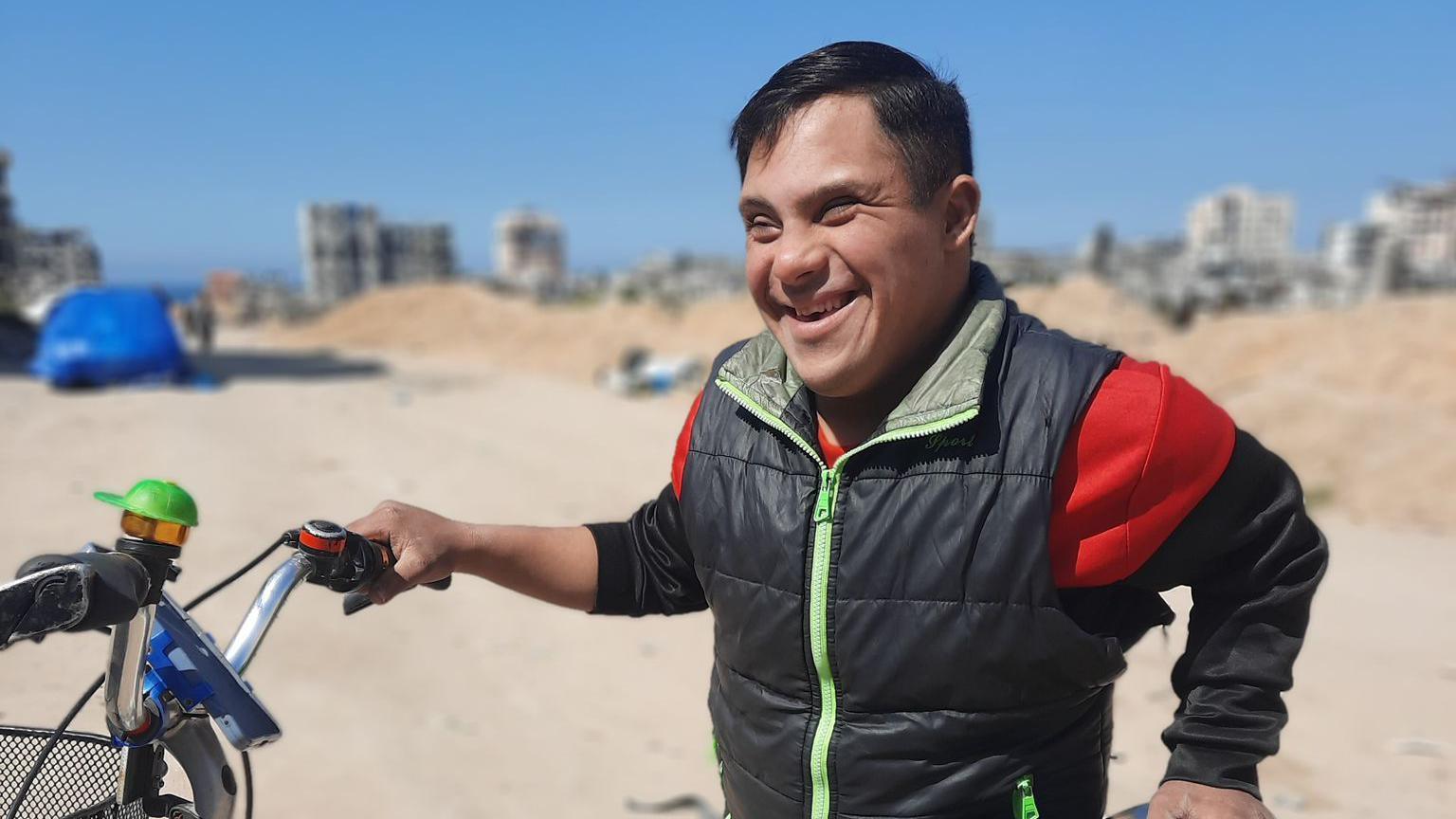
Ahmed al Madhoun, a 21‑year‑old with Down’s syndrome, played with pets and swooped into swimming pools. His mother, Majdiya, shared videos that show a cheerful boy who never let the war affect his spirit. Yet Ahmed vanished in May 2025 after a brief stop at a local shop, a day marked by intense Israeli strikes on his neighbourhood.
The uncertainty that grips Majdiya and others is stark: the possibility of death, extraction to unknown detainment facilities, or even survival amid rubble. While Israel reports an official toll of about 73,000 dead in Gaza, the figure may be far higher when bodies buried under rubble are considered missing.
The Red Cross has received more than 5,000 requests to identify missing people. With the Israeli prison system withholding information, families must rely on NGOs and legal aid, turning the process of locating missing relatives into a week‑long, exhausting search.
Across Gaza, the number of people detained in Israeli facilities since the start of the conflict is estimated at 7,000, with about 1,300 still held without charge or trial. Families like that of Ahmed remain undecided whether the entrapment was a war measure or an arbitrary detainment, contributing to the collective trauma of the region.
In the absence of transparent records, the only evidence some families bring to claim an identity are photos and stories they recover. A compelling recent photograph of a blindfolded, bound Palestinian male living in a civilian clause has convinced mothers like Aida al Drimli that her son is still alive but in chains. Yet without official confirmation, hope and despair coexist in a cruel, unresolved stasis.
The ongoing uncertainty over who and why families are missing lives is a harrowing reminder of the human toll of the Gaza- Israel war, making every missing name a stark narrative of search, fear and fragile hope.