In brief
A growing trend shows Gen‑Z favors cold, customizable coffee drinks over traditional hot coffee, prompting Starbucks to shift its menu focus. Data from Euromonitor and IHL Group indicates that personalised iced beverages attract younger consumers who value control, visual appeal, and functional benefits. The trend is spreading beyond Starbucks, with other chains like Dunkin’ and fast‑food brands launching similar refreshers, and cold drinks now account for more than 70% of Starbucks’ US beverage sales. Social media hype and limited‑time collaborations continue to boost foot traffic and revenue for these brands.
Across the U.S., Gen‑Z is rewriting the coffee‑culture playbook. A 21‑year‑old student from New York and California tells BBC News: "I don’t really like to go to Starbucks for coffee. I think their coffee is too sweet," adding that she visits the chain only for its cold drinks.
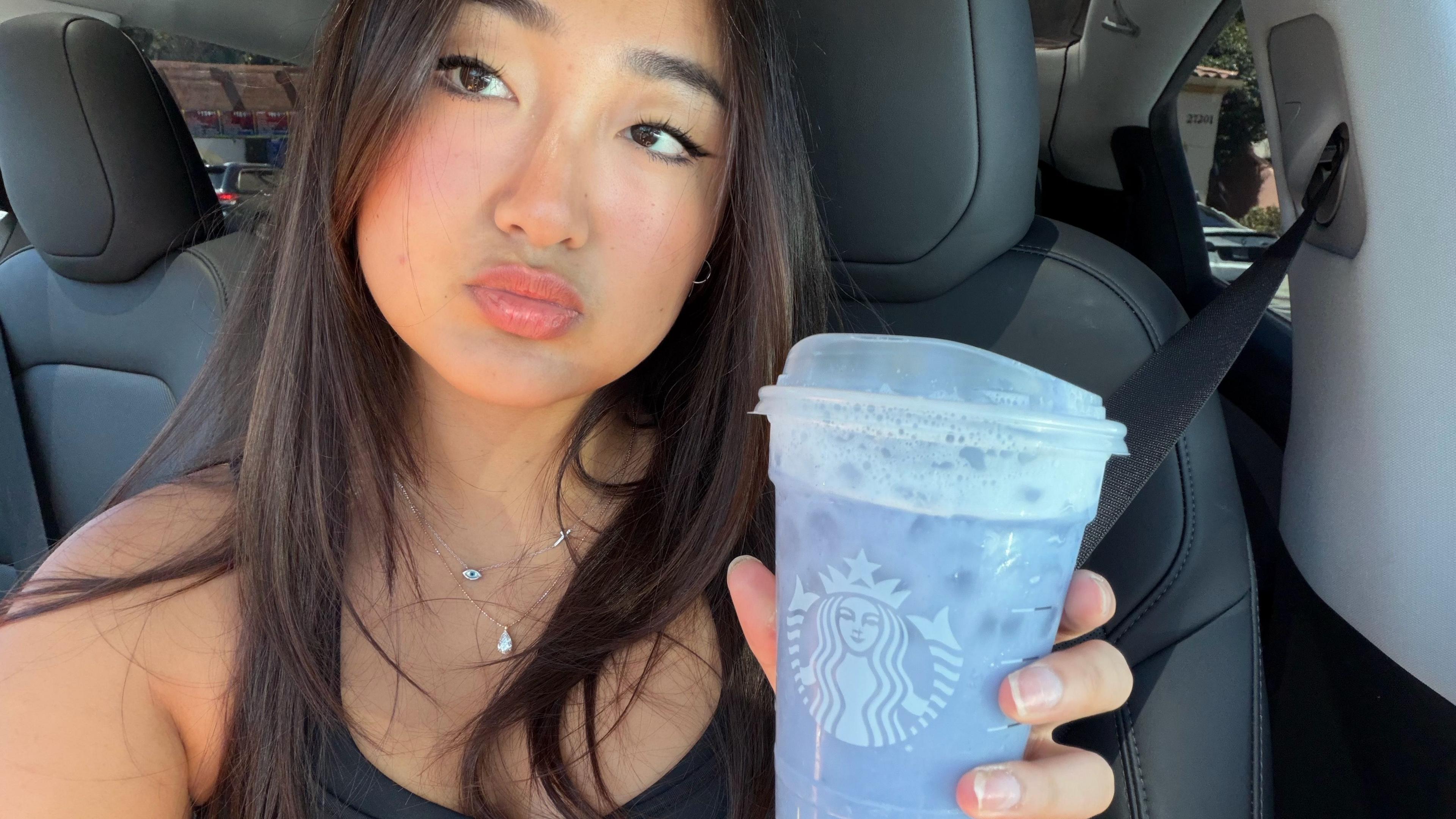
Starbucks, founded more than five decades ago, now sells three out of every four beverages as cold drinks. These include iced fruit‑based refreshments, protein‑boosted shakes and colourful “dirty sodas” that mix foam, syrups and juices.
Industry research confirms the shift. Global Insight’s Euromonitor International reports that Gen‑Z sees drinks as “something they can tailor to a specific moment or need” and that “customisation gives them a sense of control.”
Price sensitivity is in play, but the younger cohort will pay more for a “special” or “functional” beverage. Size, layers and visual appeal make the higher price seem justified.
Professor Kelly Goldsmith at Vanderbilt University argues that consumers are “not paying for what's in the cup, but what's on the cup” – comparing Starbucks’s image to an affordable luxury brand.
Social media amplifies the craze. TikTok’s Unicorn Frappuccino sparked a 44% rise in foot traffic during its three‑day launch, while Dunkin’ has partnered with Kylie Jenner to promote limited‑time, protein‑boosted drinks.
Fast‑food giants such as McDonald’s, Chick‑fil‑A and Taco Bell have rolled out similar cold‑drink options to tap the same demographic. In the UK, over 60% of people under 25 buy more cold drinks than hot, and late‑evening sales remain robust year‑round.
John Tirtha Dhar of the University of Guelph calls these beverages the “sweet spot” for Starbucks’s profitability. The chain’s turns‑around strategy now hinges on convincing consumers that an “infinite personalization” of foams, flavors, and proteins is almost pure profit. Cold drinks have helped revive Starbucks after a sales slump, now accounting for more than 70% of U.S. beverage sales.