In brief
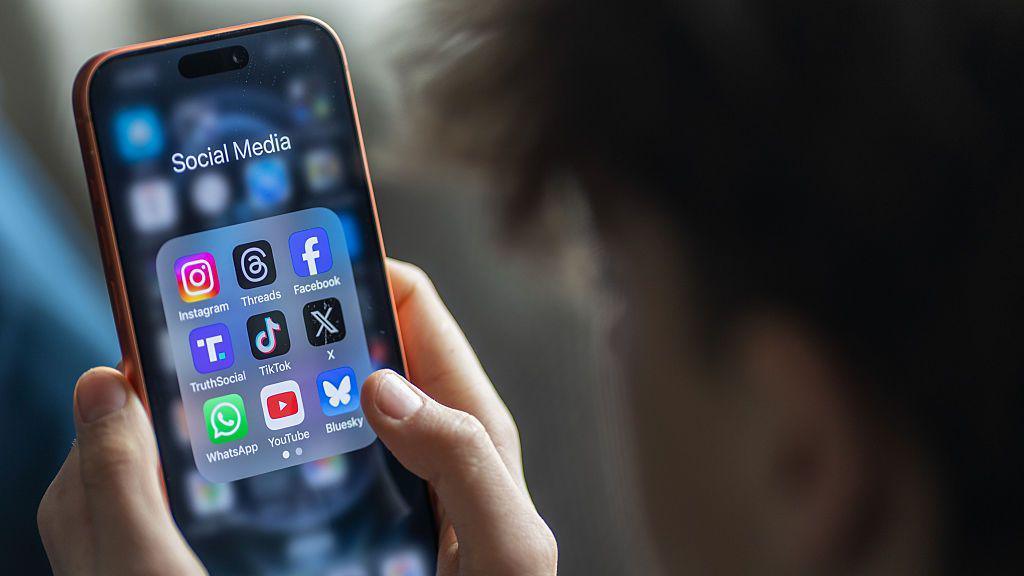
Following concerns over addiction, harmful content and the impact on youth well‑being, New Zealand's Liberal‑Democratic coalition has drafted a bill to prevent users under 16 from accessing TikTok, Instagram, Snapchat and Facebook. The legislation would mandate identity checks by platforms and impose fines of up to 10 % of global revenue for non‑compliance. Despite government support, opposition from the Act and New Zealand First parties may halt the bill’s passage. The proposed measure mirrors Australia’s similar ban and follows a wave of global discussions on regulating youth exposure to social media.
New Zealand will introduce a new bill to block children under 16 from using popular social‑media platforms.
The proposal targets TikTok, Instagram, Snapchat and Facebook, requiring each service to verify that users are older than 16 through methods such as age‑estimation or digital identity checks. Platforms that fail to comply could face penalties of up to 10 % of their global revenue.
Prime Minister Christopher Luxon warned that social media can expose young people to harmful content, addictive design, and pressures they are not ready to handle. He stressed the need for protections in the “virtual world” that mirror those that exist in real life.
Other parts of the government support the bill, but the Act and New Zealand First parties have publicly pledged to vote against it. Deputy Prime Minister David Seymour said the ban would be ineffective, while Foreign Affairs Minister Winston Peters criticised the Australian precedent as a “colossal failure”.
The bill is part of a broader international push to regulate youth online activity. Australia already has its own ban; the UK and Greece plan to introduce restrictions next year, while France’s court recently struck down a similar proposal as violating freedom of expression.
In short, the legislation is a high‑stakes gamble: the government hopes to safeguard children’s mental health, but it faces a tough political test and scrutiny over enforceability and potential unintended consequences.