German Town Bans 'Stumbling Stone' Memorials to Nazi Victims
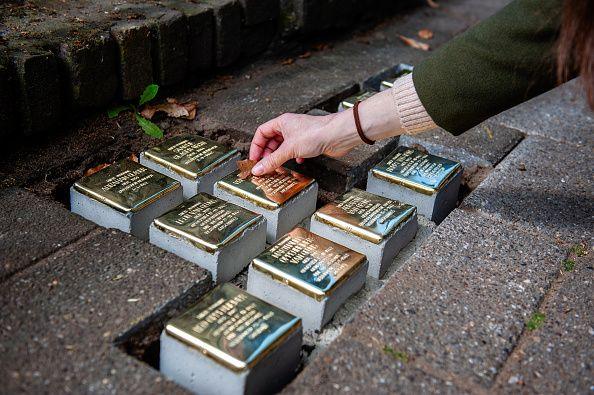
Heidenau, near Dresden – The town council, comprised of members from the AfD and CDU, has voted to ban Stolpersteine on its streets, sparking fierce backlash from national officials and members of the Jewish community. Stolpersteine, small brass plaques embedded in pavement, honour individual victims of Nazi persecution and are common across Europe.
Education Minister Karin Prien condemned the measure as a “scandal” and warned that moving memorials to a cemetery would render Jewish victims invisible in public life. The motion cited voices from the community who felt a street‑level remembrance was inappropriate, urging the placement of commemorative material in the Nordfriedhof cemetery where no one steps directly upon the plaques.
Critics, including Holocaust survivor Charlotte Knobloch, argue this decision erases vital reminders of the Holocaust. Knobloch said, “decentralised remembrance—integrated into public space, not hidden in a cemetery—is essential for a genuine culture of remembrance.” In Munich, the city permits only municipal building plaques, keeping the city's streets untouched by Stolpersteine.
Artist Gunter Demnig, who pioneered the Stolpersteine project, warned that the rise of the AfD makes such bans “to be expected.” The party recently won elections in Saxony-Anhalt and Mecklenburg-Vorpommern, energising concerns that its ideology may reshape how Germany remembers its dark past.
While some AfD branches are declared extremist by the German domestic intelligence agency, the party denies the label. The new ban underscores a broader national debate on balancing remembrance, public space, and the evolving political landscape.