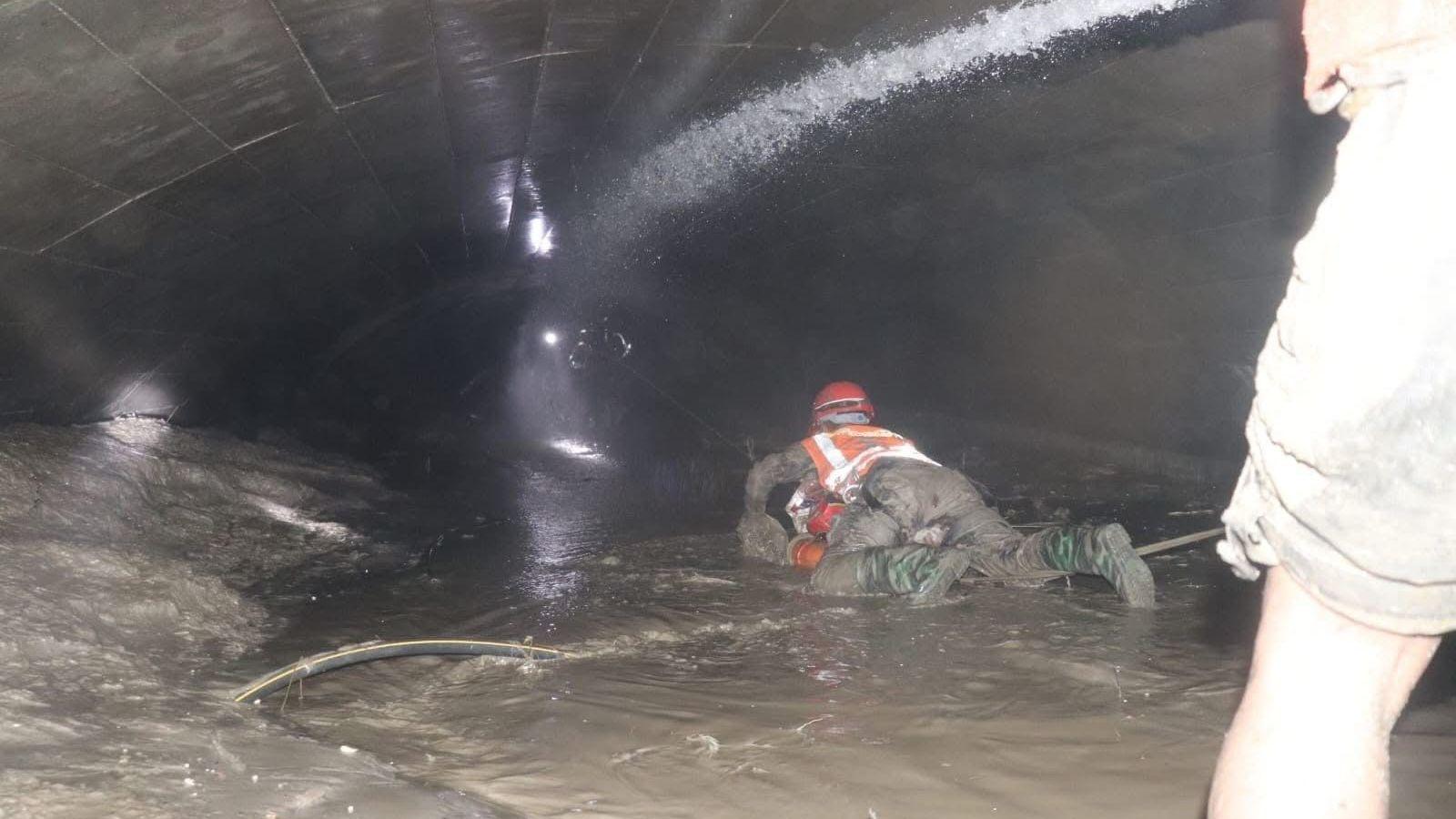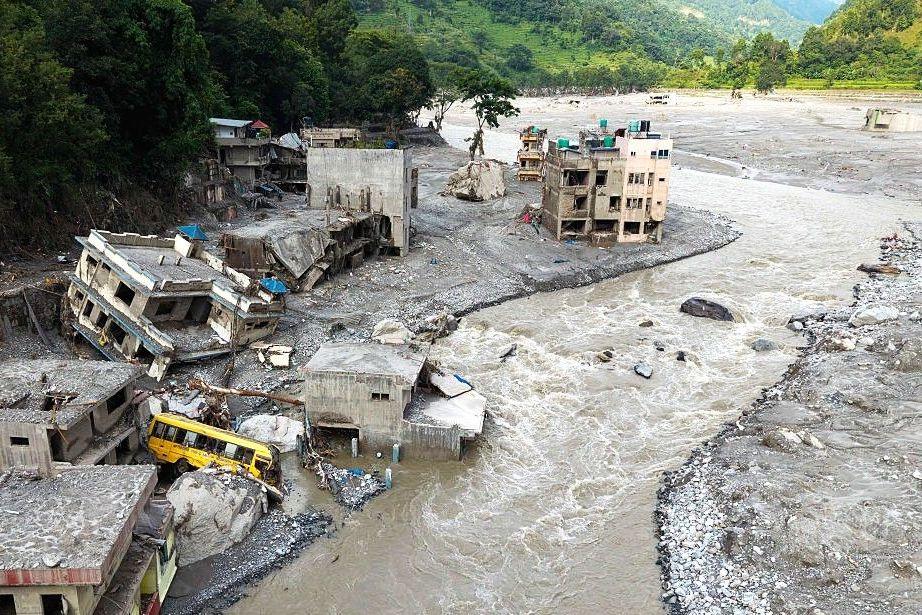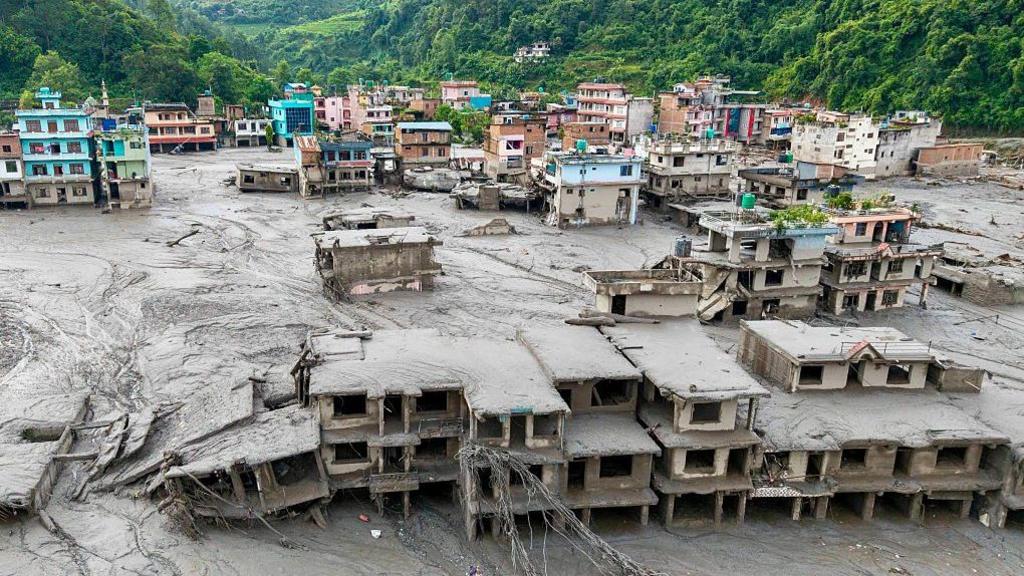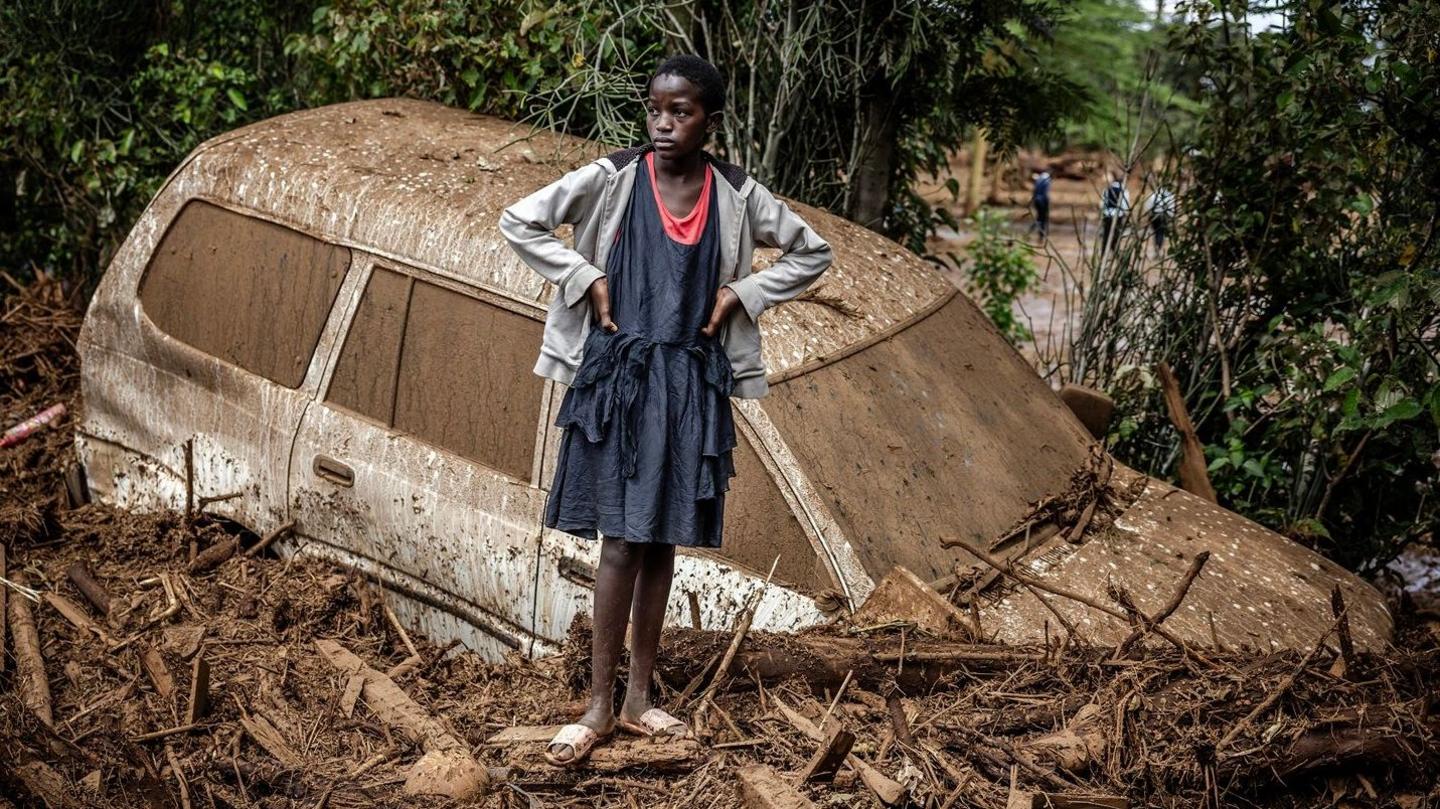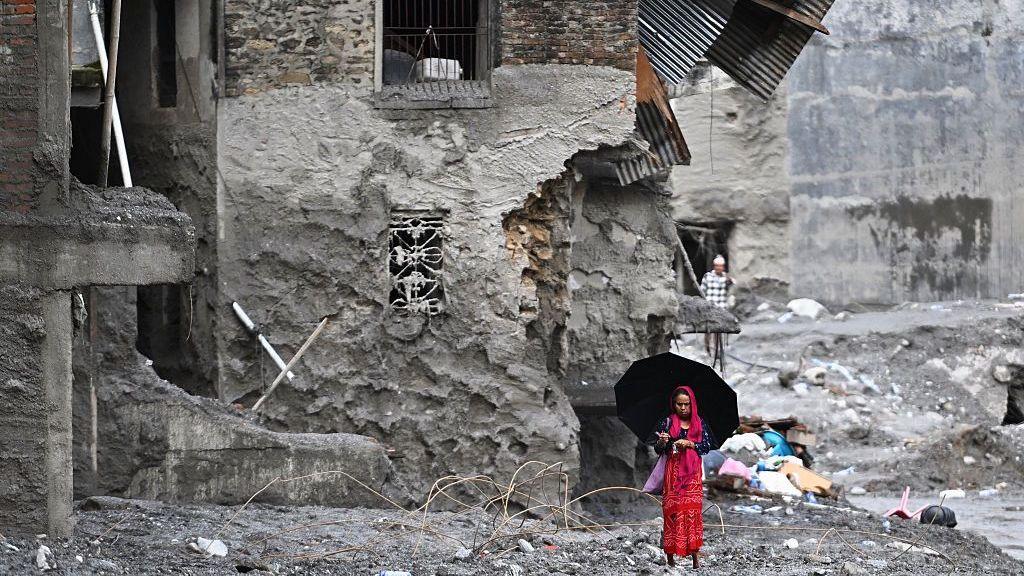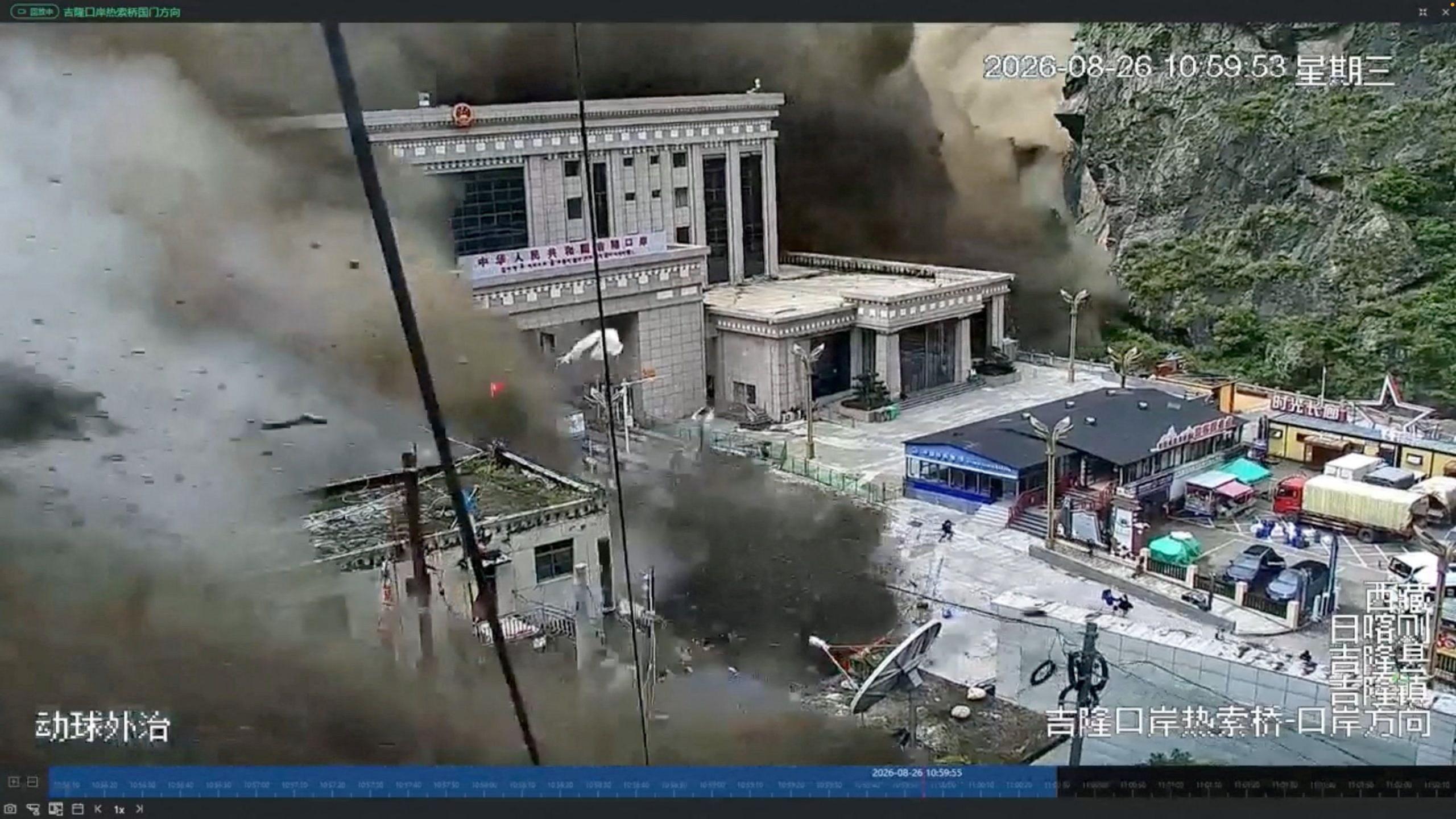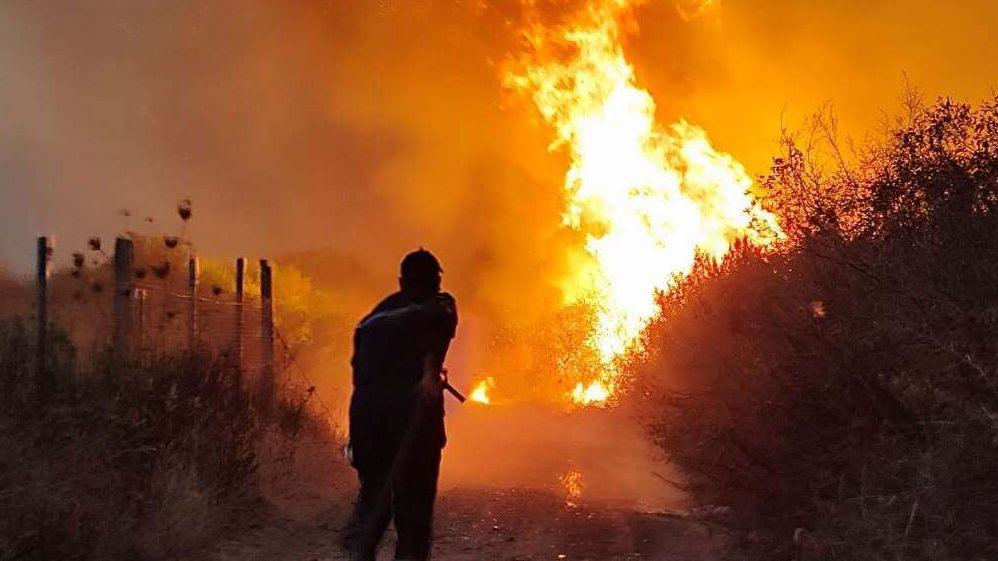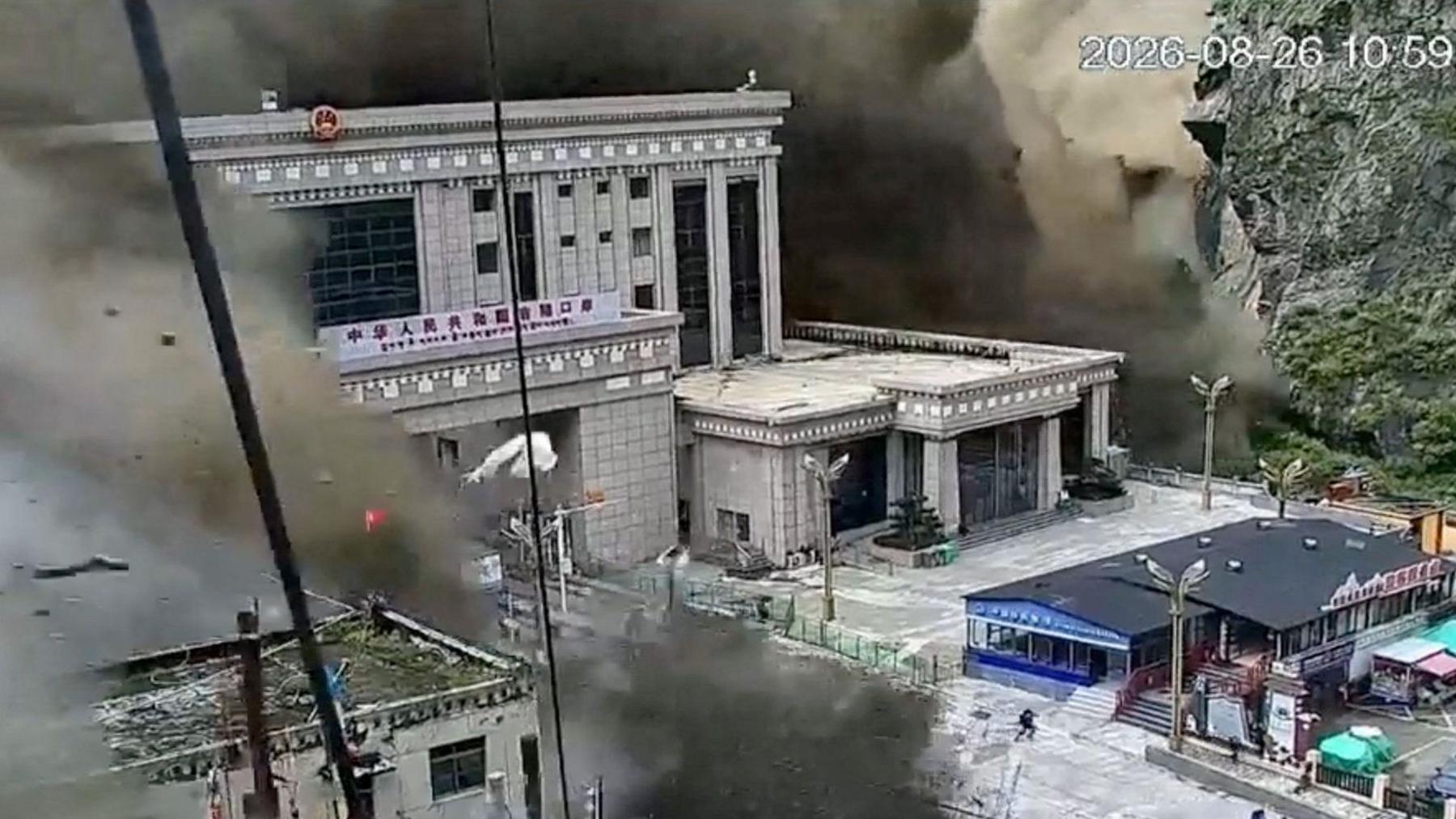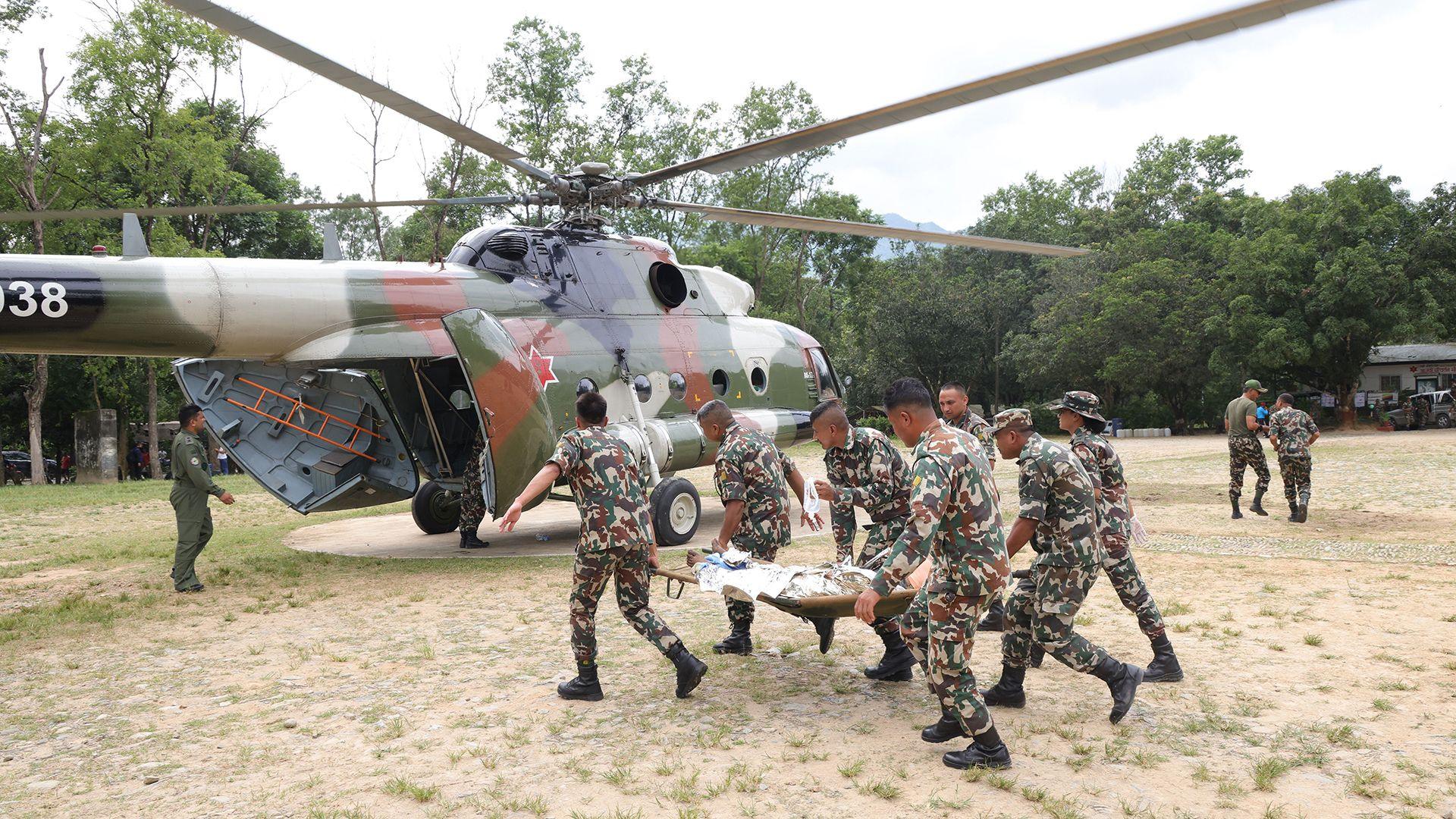
Massive landslides and flash floods on the Nepal‑Tibet border left hundreds dead or missing after a glacial collapse sent a wave of ice, rock and water plunging into valleys.
Scientists now confirm the disaster was triggered by a glacier breaking loose, not an earthquake. The collapse’s shock registered an instrumental magnitude of 5.2 and released debris that continued to devastate downstream communities.
Rescue work was paused when a newly formed lake temporarily overran the border, raising fears of an additional flood surge.
As of the latest figures, more than 475 people have died, with 910 still missing—517 of them foreign nationals. The Nepal Tourism Board reports 644 tourists remain missing, including 33 British nationals.
Government responses include Nepal’s Prime Minister describing the nation as “shocked and distressed.” China’s leadership has deployed teams and pledged stronger monitoring, while India expressed readiness to assist. The United Nations and United States have mobilised supplies, and the United Kingdom is offering £5 million in aid.
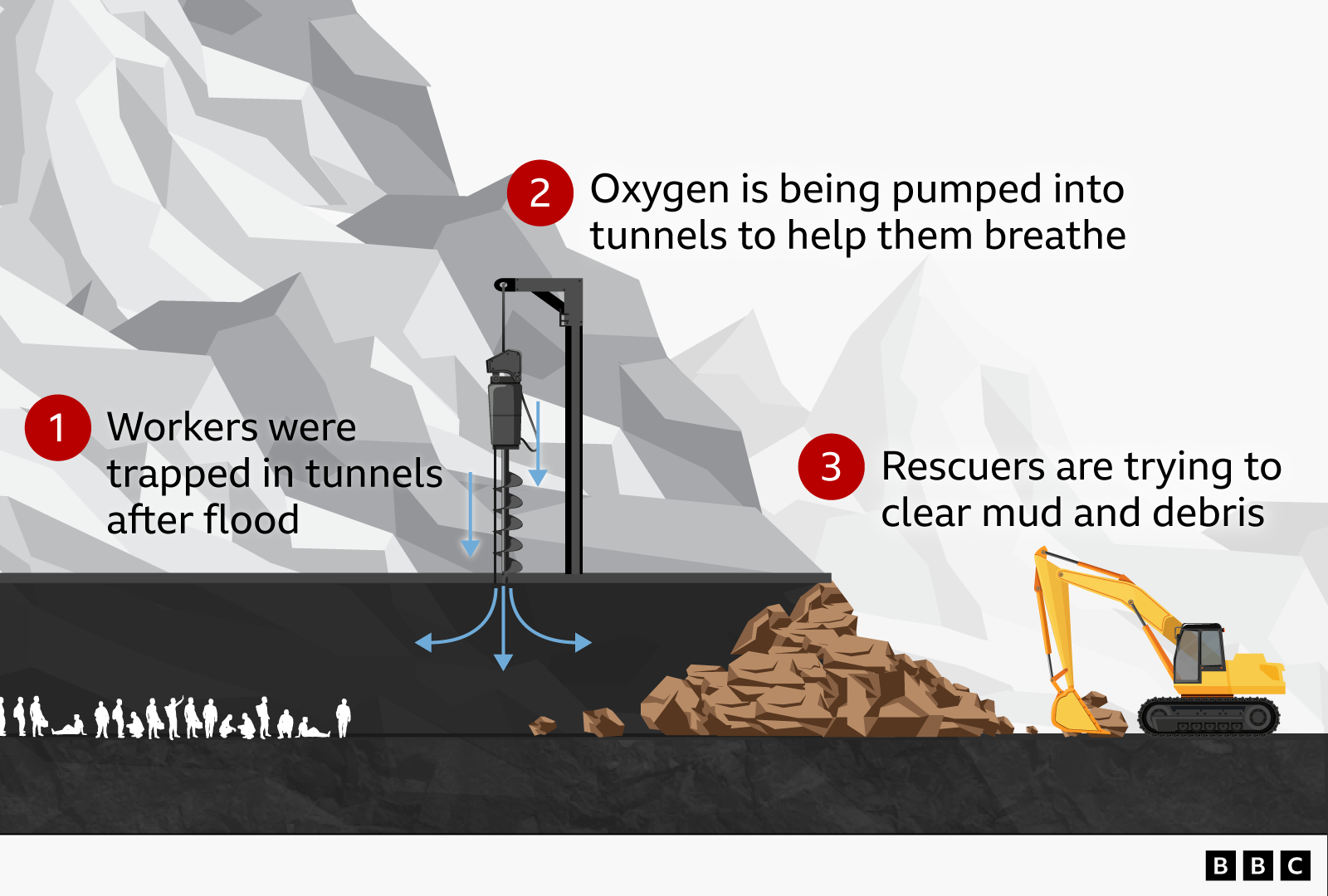
Experts warn of a secondary flood risk from debris‑blocked rivers; a lake breach could trigger another surge. Search teams continue to comb the flooded valleys for survivors.
Missing tourists span several countries—India (288), China (≈100), the United States (65), Ukraine (53), Malaysia (51), Australia (39), the United Kingdom (33), and Canada (24), among smaller numbers from South Korea, South Africa, Portugal, the Netherlands and New Zealand.