In brief
Gloria Steinem, born in 1934, grew up in a nomadic family and faced early hardships that forged her resilience. A journalist and undercover exposé on Playboy Bunny culture, she revealed misogyny and sparked public outrage. Her landmark columns in New York Magazine and the founding of Ms. magazine made her a symbol of second‑wave feminism, while her activism for abortion rights, the Equal Rights Amendment and marriage equality cemented her legacy. Even as critics attacked her appearance and tactics, Steinem endured harassment, championed open debate, and ultimately received the Presidential Medal of Freedom for expanding opportunities for women.
Gloria Steinem was born on 25 March 1934 in Toledo, Ohio, into a family constantly on the move. Her father abandoned them to escape a life of sales, leaving her to care for an ailing mother. Consequently, she didn’t attend school full‑time until she was 12.
She earned a scholarship to India in the 1950s and helped village women organize protests. Returning to New York in the early 1960s, she struggled in male run newsrooms, but her investigative journalism found an outlet after she posed as a Playboy Bunny and exposed sexual exploitation in the 1963 article A Bunny’s Tale.
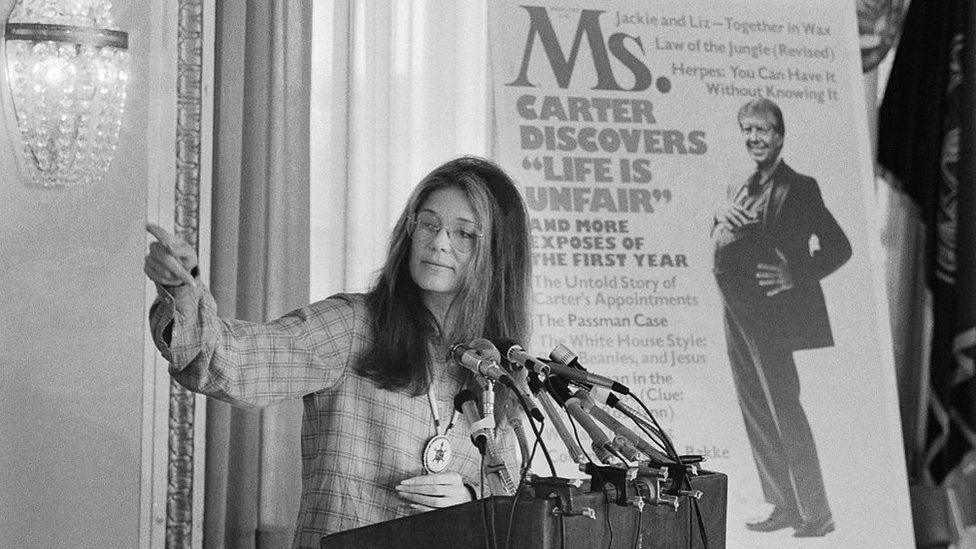
Steinem’s career accelerated in 1968 when she became a columnist for New York Magazine. Her essay, After Black Power, Women’s Liberation, made her a national voice. In 1972 she co‑founded Ms. magazine, an all‑female publication that sold out its first issue within a week and changed women’s journalism forever.
The 1970s brought her to the forefront of feminist advocacy. She championed a 1969 abortion awareness rally, from which she developed the phrase “reproductive freedom.” She co‑founded the National Women’s Political Caucus after the ERA failed to pass and testified before Congress, recounting gender‑based discrimination she had personally endured.
Her activism was not without controversy. In the 1970s she faced backlash over a 1977 essay on transgender people, and later was censured for a supportive remark about Bill Clinton in a 1998 New York Times piece. Despite this, she continued to write essays such as If Men Could Menstruate in 1978, which is still cited in gender‑talk.
Steinem dealt with harassment throughout her life, from sexist insults and running viral ads to being stopped by strangers on Manhattan streets. She defended open debate and opposed cancel culture, arguing it stifles dialogue. Her personal life, including a marriage to David Bale in 2000, exemplified her stance on gender equality.
Diagnosed with breast cancer in 1986, Steinem continued her public work, earning the Presidential Medal of Freedom in 2013. By 2024 she had turned 90, living in New York with Ms. magazine still in circulation. She offered hope that her legacy would help individuals become more substantial, valued, and loving beings.