In brief
Israel’s next general election could see Arab parties acting as kingmakers, with polls indicating they could secure seats enough to tilt a divided Knesset. In Nazareth’s bustling streets, students hand out leaflets calling on Arab Israelis to vote, fighting a history of low turnout and disillusionment. While Netanyahu’s coalition faces fierce opposition, centrist leaders like Gadi Eisenkot hesitate to partner with Arab parties, and the United Arab List has navigated a Supreme Court challenge that only last month was overturned. Key concerns—from wartime budgets to escalating gang violence—fuel Arab voters’ determination to shape Israel’s future.
In Israel’s next general election, Arab parties could become the swing ticket that decides whether the current coalition survives or falls apart. Early polls suggest a near‑even split among major blocs, leaving Arab lists with the potential to tip the balance of power toward opposition forces or new governing alliances.
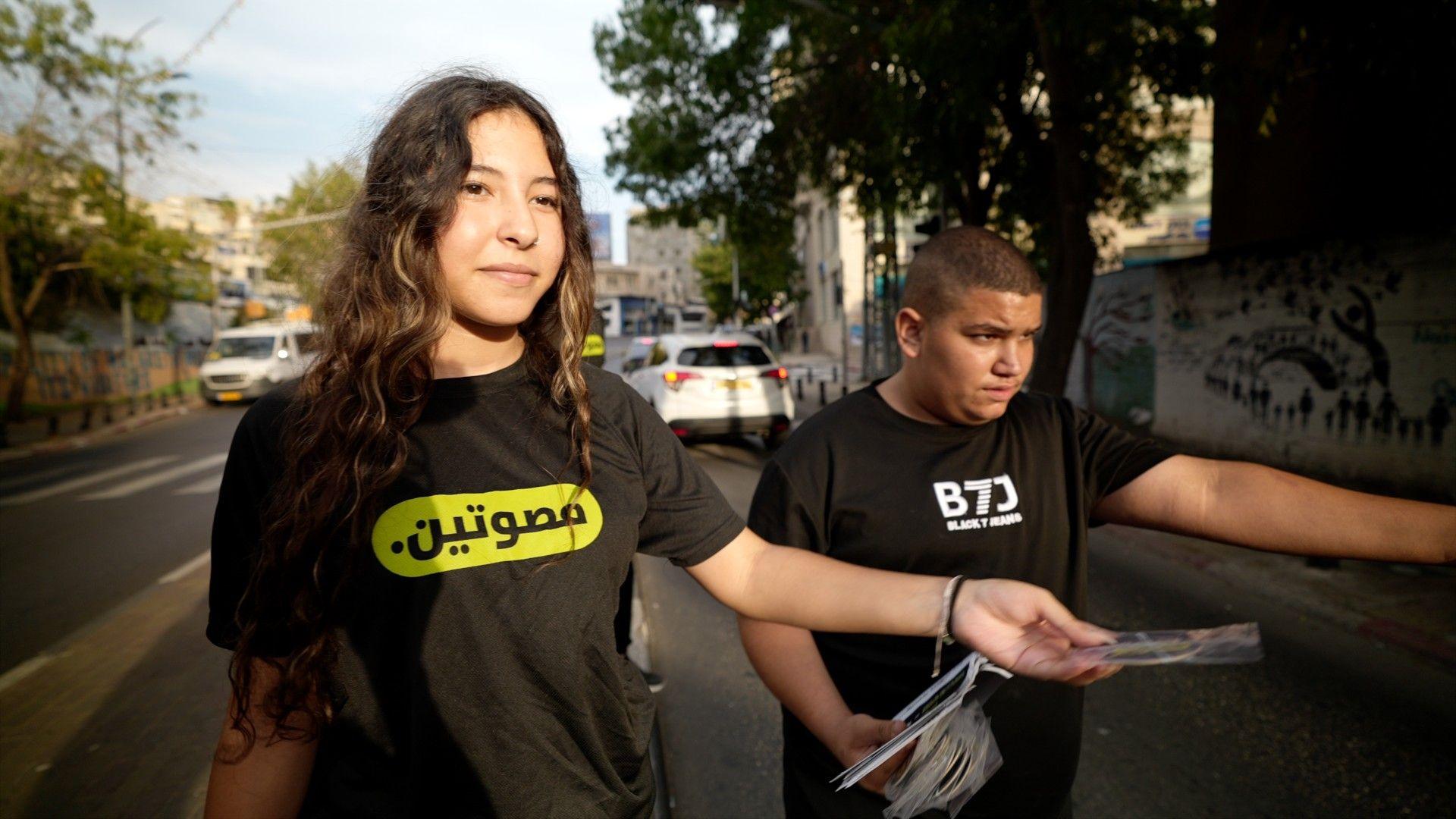
With only a week to go, the streets of Nazareth are awash in leaflets and banners. Students and community activists line the avenues, urging Arab citizens to cast their ballots for parties that promise to represent their interests in a country where they often feel second‑class.
“I see it as our duty to bring down this extremist government,” says 23‑year‑old Arkan Badran, passing flyers to passersby. “They treat us as second‑class. I call on all young men and women to vote for Arab lists, because this is our future.”
The stakes are high. The National Security Minister, Bezalel Smotrich, has declared he intends to “Judaise” Arab‑majority regions; meanwhile, the ruling coalition’s backing of Netanyahu’s far‑right partners has left Arab voters wary of being tokenised.
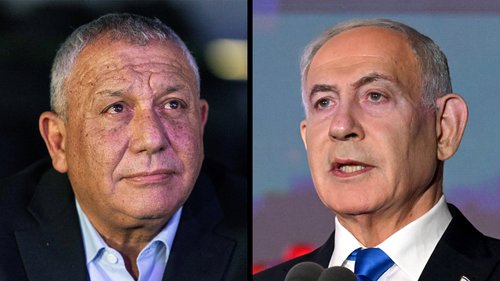
The opposition Change bloc, led by former military chief Gadi Eisenkot, refuses to collaborate with Arab parties, citing a clash of values. If either side cannot secure a parliamentary majority, they may have to re‑evaluate their postures—either break promises or negotiate with the Joint List and the United Arab List.
Sideways to the political friction, Arab Israelis are battling rising gang violence. A 2023 study found that 53.5% of Arab voters cited gang crime as the decisive issue, with murders in Arab communities having spiked to a record 252 last year—about five times the number in Jewish neighborhoods.
Activists highlight the government’s slow response. Suha Salman Mousa, executive director of the Mossawa Centre, accuses ministers of “systematic discrimination and incitement,” pointing to budget cuts and a lack of enforcement that exacerbate community trauma.
The Supreme Court’s recent decision to overrule exclusions of the Joint List and United Arab List, previously barred on allegations of denying Israel’s Jewish character, arrives an hour before voting itself, underscoring the razor‑edge of political legitimacy.
At the 2026 election, Arab voters will determine not just who governs, but how inclusivity and security policies will shape towns from Nazareth to Jaffa, as Jewish‑Arab relations rest on the outcomes of this pivotal vote.