In brief
During a routine renovation in east Flanders, builders discovered a vault of gold bars and coins sealed in the walls of a house's cellar, estimated at €9m (£7.6m). The find sparked legal questions over ownership, as both the construction crew and the local charity that owns the property could claim rights. Police have secured the hoard and advised the public against searching the site, citing safety and legal reasons. The property is owned by CAW Oost‑Vlaanderen, and if no claim is made, Belgian law may divide the treasure between finder and property owner. The case illustrates how unexpected finds can impact local communities and charitable organisations.
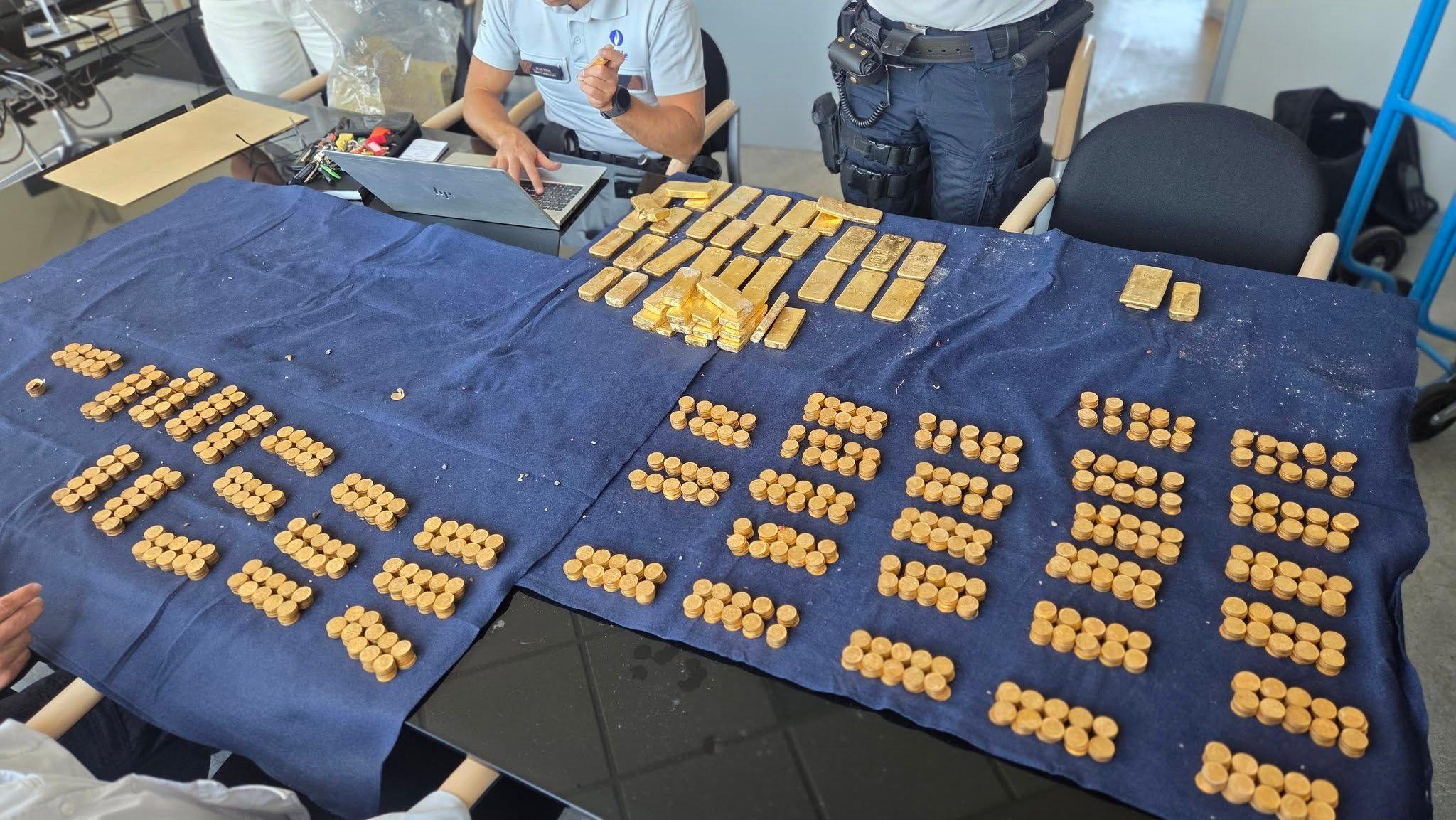
During a routine renovation in east Flanders, builders discovered a vault of gold bars and coins sealed in the walls of a house's cellar, estimated at €9m (£7.6m).
The construction crew had been drilling to lay new sewage pipes when they hit a sealed cavity. Inside, they found dozens of gold bars and a stack of coins, all wrapped in protective bags, which had been hidden decades ago during the house's construction.
Builders quickly alerted local police and the property’s owner, a charity called CAW Oost‑Vlaanderen, saying that keeping the hoard was not an option. Police have now secured the gold and warned the public not to visit the active construction site looking for treasure.
The property belongs to CAW Oost‑Vlaanderen, a welfare organisation serving a city of about 47,000 people. The charity’s director, Geert Hillaert, expressed surprise and hope that the treasure could later aid the charity’s community work.
Under Belgian law, the rightful owner has five years to claim a hidden treasure. If no claim is made, civil law allows the treasure to be divided between the finder and the property owner, provided the stash is not linked to criminal activity.
This case highlights the complexities that can arise when unexpected wealth surfaces during ordinary civil construction, and the role of law in adjudicating ownership rights.