In brief
Starbucks China rolled out a ‘purchase to sit’ rule in all 8,000 outlets, requiring consumers to buy before taking a seat. The policy seeks to improve the in‑store experience amid rising pressure from local rivals like Luckin Coffee. Social media users largely welcomed the change, arguing it would free up seating for paying customers. The move follows similar experiments in South Korea and North America, where Starbucks tightened its open‑door policy. Industry observers note the shift reflects Starbucks’ broader strategy to adapt its Chinese business amid intensifying competition.
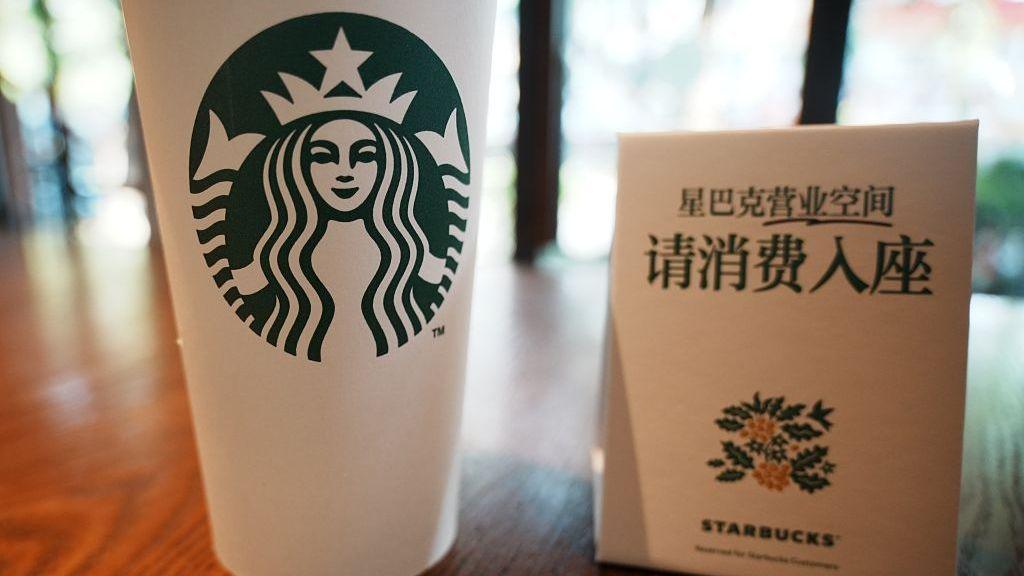
Starbucks China’s new policy will require every customer to purchase a drink or snack before taking a seat in its 8,000 cafés nationwide.
The move, announced on Thursday, aims to improve the in‑store experience by curbing “seat‑hogs” who linger without ordering. The company said it could free up seating for those who actually buy, addressing a gap that local rival Luckin Coffee has exploited by offering cheap grab‑and‑go options.
Social media reactions were overwhelmingly supportive, with users on Weibo praising the new rule as a solution to crowding and unfairness. One comment read, “No more empting seats for people not buying—finally!”
Starbucks has experimented with similar restrictions elsewhere. In North America the chain closed its doors to non‑purchasing customers, while a Sichuan outlet in China recently chained off outdoor seating to deter loitering. In South Korea, the company asked patrons to avoid bringing large, non‑coffee items that could monopolise seats.
China is Starbucks’ second‑largest market, but it faces mounting competition from Luckin and other domestic brands offering lower prices and a streamlined mobile‑app ordering experience. In 2023 Luckin overtook Starbucks as the country’s largest coffee chain, highlighting the urgency for Starbucks to refocus its value proposition.
Alongside the new seating policy, Starbucks China plans to boost staffing and upgrade digital ordering systems to provide faster, warmer service during peak hours. The company also intends to improve its overall customer journey, balancing the “full café experience” with the need for speed.
For full coverage, visit the original BBC News article.