In brief
Guinea‑Bissau’s citizens voted in favour of a historic constitutional overhaul that grants the president sweeping authority over the government, a move orchestrated by the current military junta. The reforms allow the president to appoint and dismiss the prime minister, create and dissolve ministries, and dissolve parliament during crises. While the main opposition, the African Party for the Independence of Guinea and Cape Verde, boycotted the vote and warned that the changes threaten democratic balance, the result—reported at 70% in favour—signals a shift toward stronger executive control ahead of the December elections.
In a historic referendum held on Sunday, voters in Guinea‑Bissau approved a sweeping constitutional reform that expands the president’s powers and could reshape the country’s fragile political balance.
The changes allow the president to appoint and dismiss the prime minister and cabinet, create or abolish ministries, and dissolve parliament in the event of a grave political crisis—powers that could substantially outweigh the role of the legislature in the semi‑presidential system.
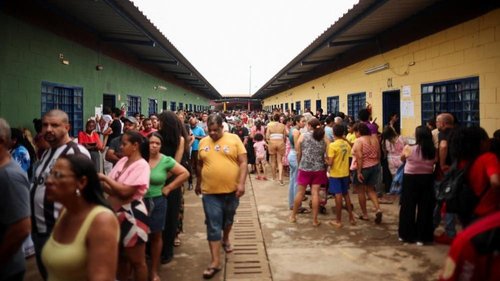
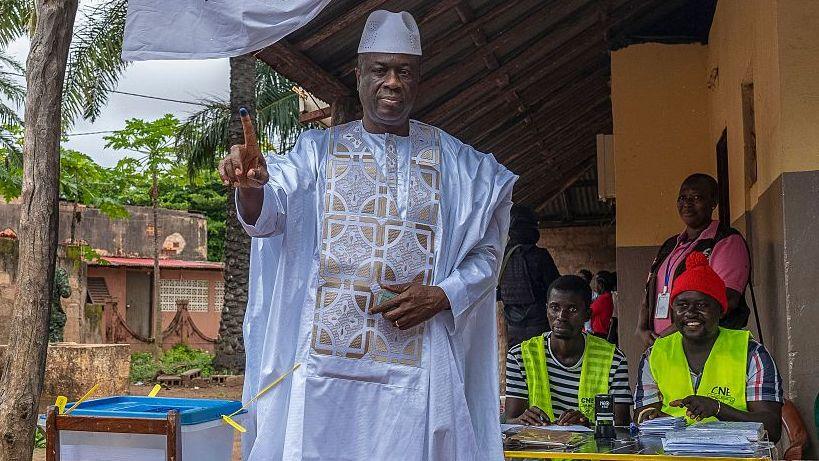
The referendum was organised by the military government that seized power last November following a disputed election. Provisional results from the electoral commission show 70% of voters voting in favour, with a turnout of close to 60 per cent.
Opposition party PAIGC boycotted the vote, accusing the process of lacking safeguards and threatening the country’s transition back to civilian rule. PAIGC leader Domingos Simões Pereira warned that the new constitution could turn the president into an “emperor” and undermine democracy.
The new draft also reduces the number of parliamentary seats from 102 to 65 and cuts constituencies from 29 to 12. It introduces eligibility criteria requiring a candidate to have lived continuously in Guinea‑Bissau for five years before election.
Military authorities justify the overhaul as a way to end repeated disputes between presidents and prime ministers, citing a pattern of instability—at least nine coups since independence in 1974—and the country’s reputation as a “narco‑state.”
Regional analyst Paul Ejime criticised the referendum as a façade, arguing it failed to reflect the will of the people and called on ECOWAS to intervene, noting the bloc’s rules prohibit constitutional changes within six months of an election.
The December presidential and parliamentary elections will serve as a critical test of whether the junta will honour its promise to restore civilian rule and how the amplified presidential powers will affect Guinea‑Bissau’s governance.