In brief
President Mamady Doumbouya has dismissed more than 170 army officers for alleged desertion, naming Colonel Michel Lamah—who helped him seize power in 2021—as a key figure among them. The decree, broadcast on state television, hints at the leader’s attempt to consolidate control and suppress potential dissent. No details of the alleged desertions were given, though the move aligns with the junta’s continued crackdown on civil liberties. International observers worry that such actions undermine democratic progress in Guinea.
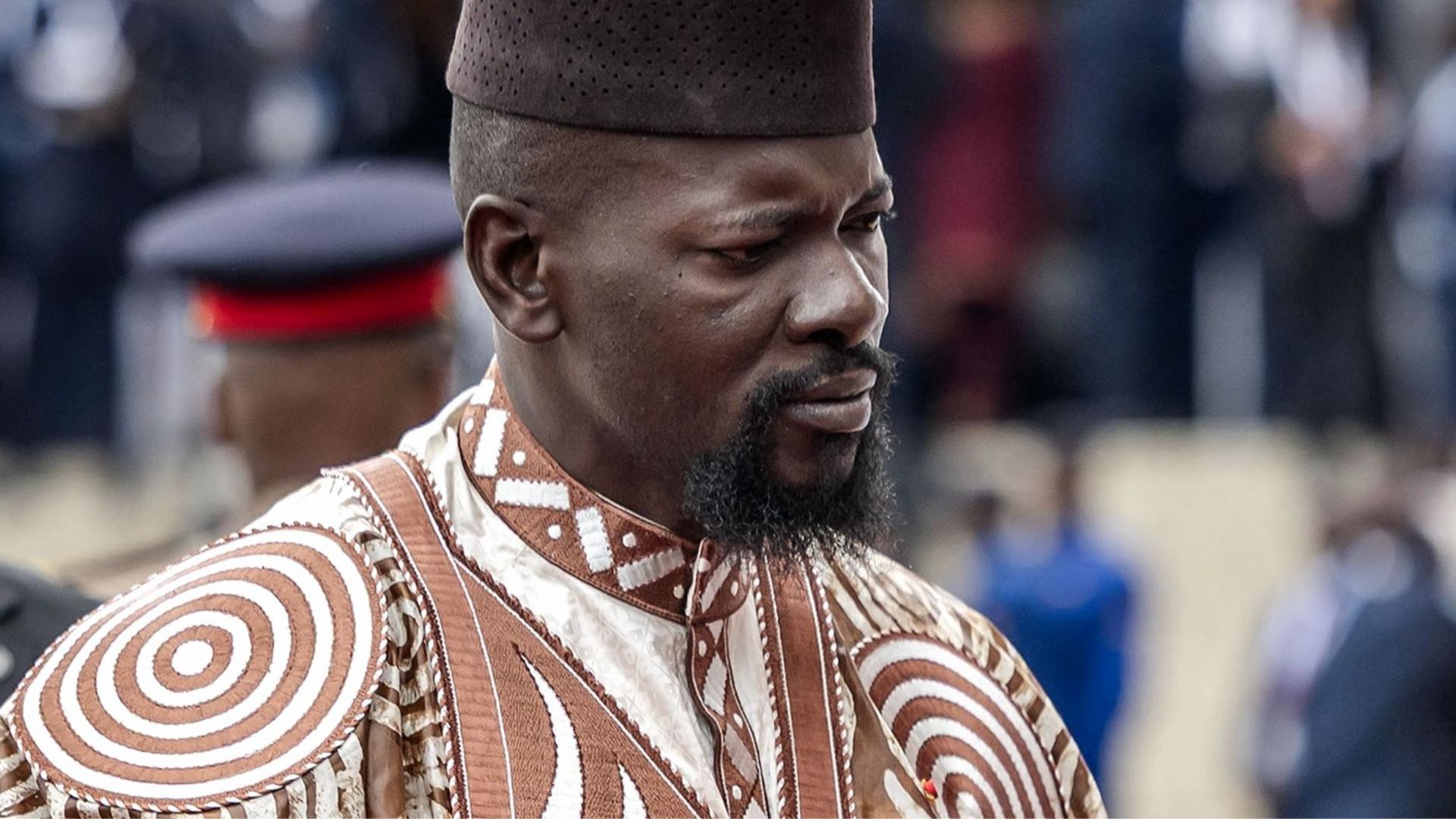
In a move that underlines his hard‑line stance on dissent, President Mamady Doumbouya, 41, announced the dismissal of more than 170 army officers for alleged desertion.
The decree, aired on the state television channel on Monday, named a brigade of troops from different branches and singled out Colonel Michel Lamah, a former member of the Special Forces Group that Doumbouya once led, as one of the condemned.
Lamah is a key figure in the 2021 coup that toppled President Alpha Condé; he was photographed driving the deposed leader out of the presidential palace that month.
Doumbouya had vowed not to run in a 2024 election, promising a return to civilian rule, but in December 2025 he entered the polls and secured 87 % of the vote. The recent firings are seen by observers as part of a concerted effort to solidify his grip on power and deter potential challenges.
No details have been released about the circumstances that led to the alleged desertion; the president’s spokesperson, Gen Amara Camara, simply read the decree aloud to viewers.
Since taking the helm, Guinea has tightened controls on press, curtailed protests and suspended opposition parties. The environment remains highly restrictive for civil liberties.
The dismissals come as the junta–turned‑civilian administration moves to transform Guinea’s economy from a raw‑materials supplier into a more industrialised hub, but critics say that the absence of democratic safeguards threatens long‑term stability.