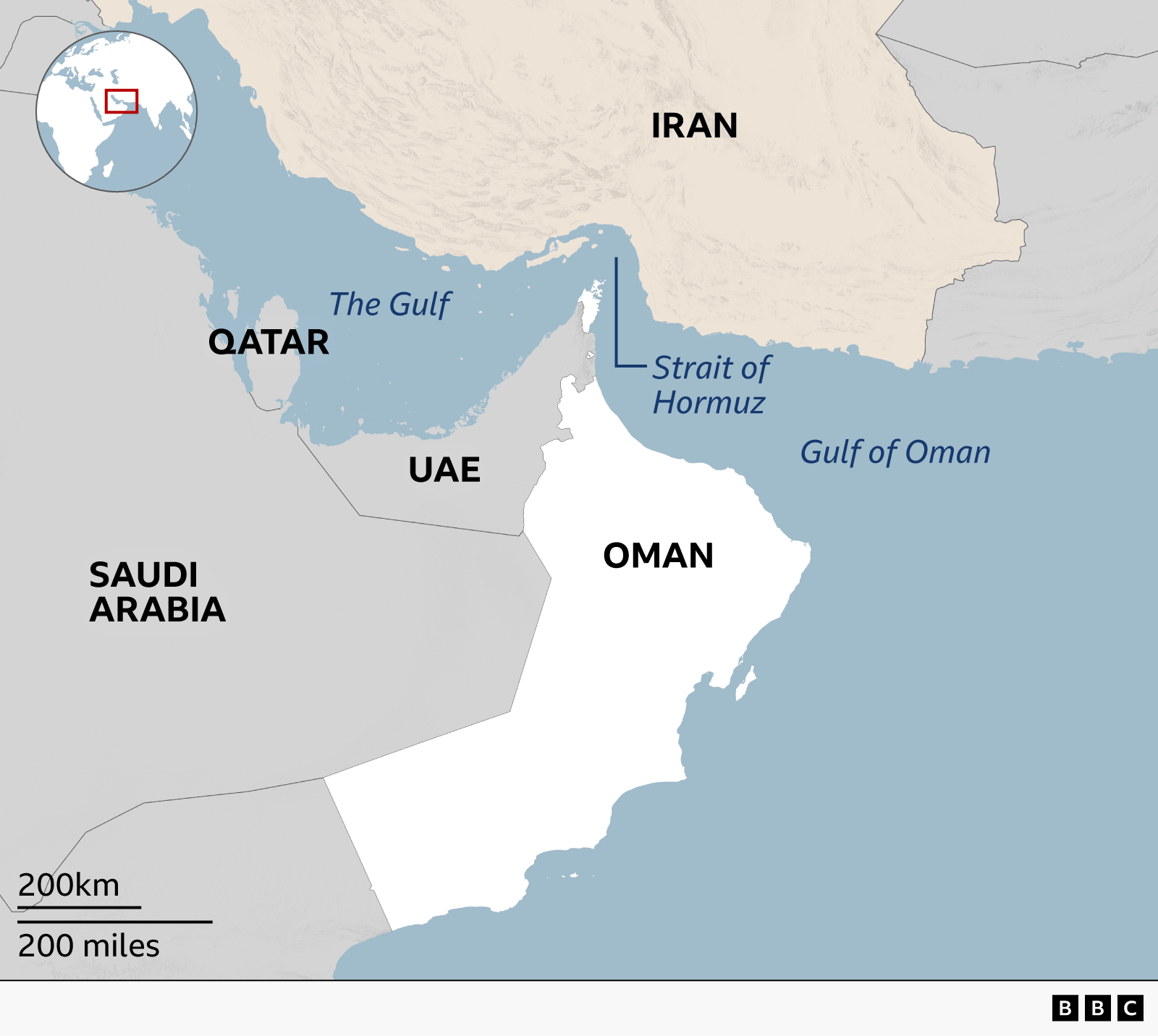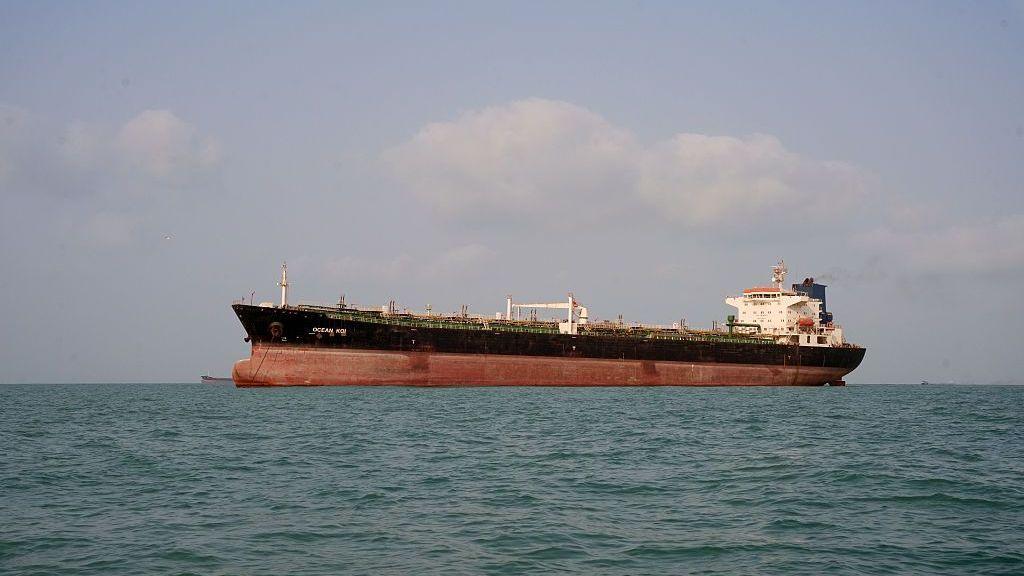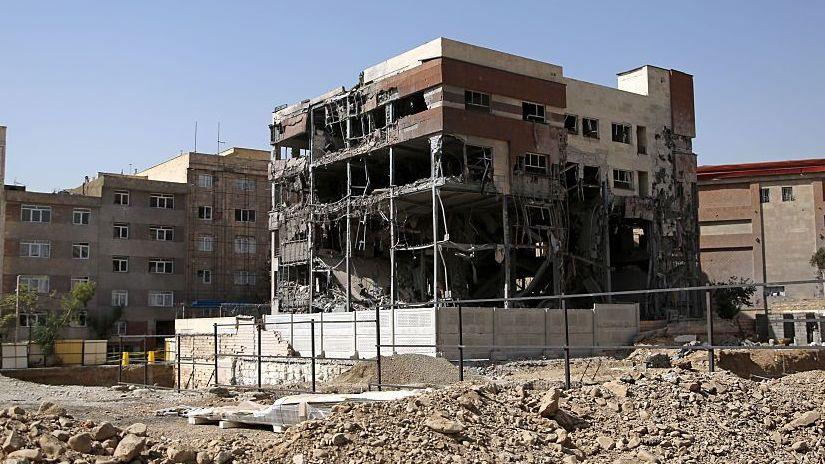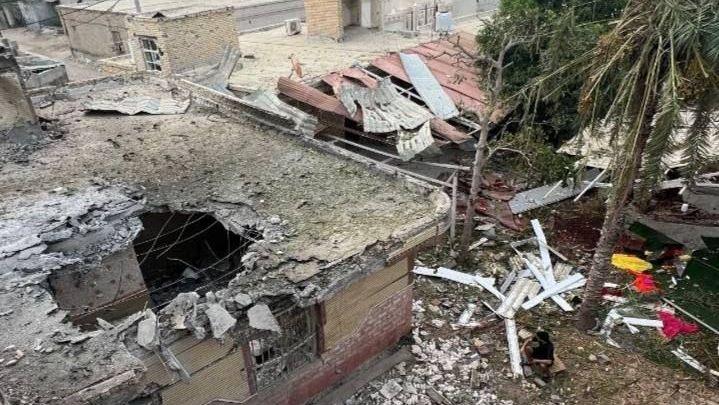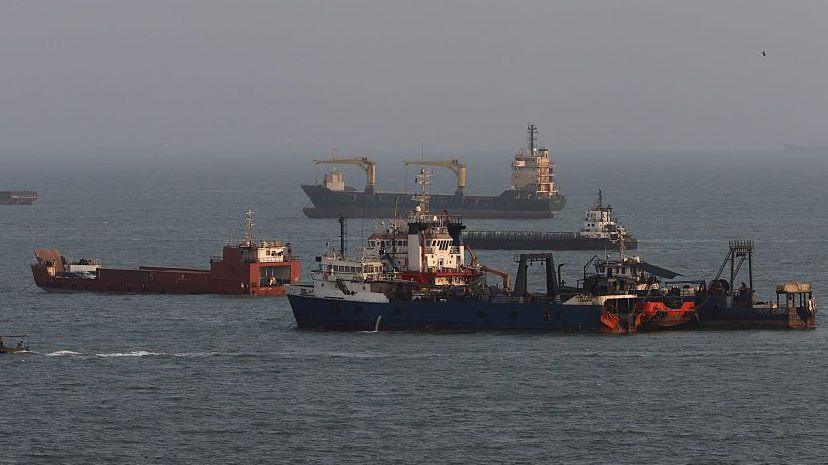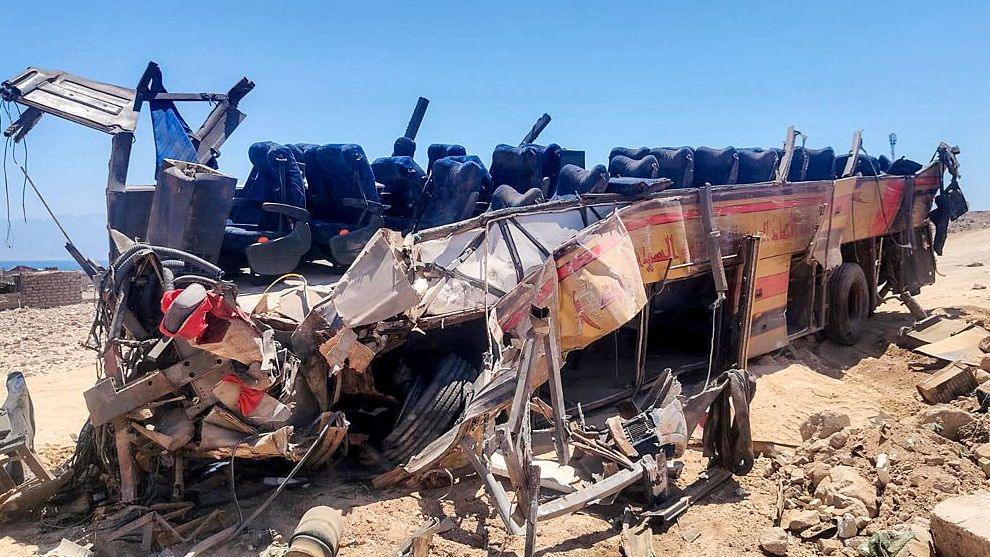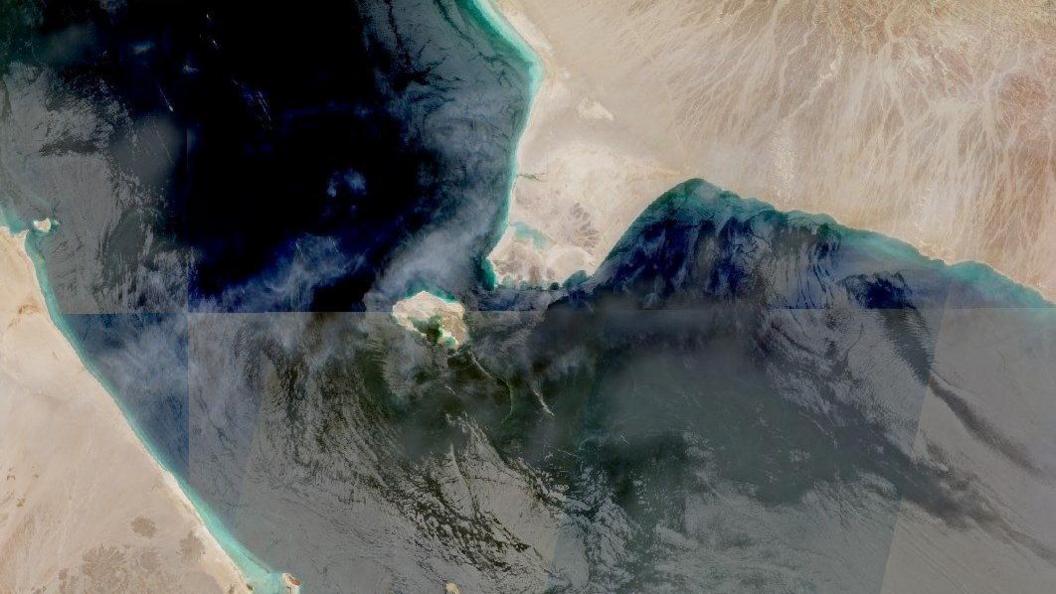
The Yemen‑based Houthis say their forces hit two Saudi oil tankers, the Encelia and the Layla, in the Red Sea today. The claim arrives as the U.S. launched its 12th consecutive night of strikes on Iranian targets, firing at maritime facilities, missile storage sites and air‑defence assets in the Strait of Hormuz, according to U.S. Central Command.
Iranian state media reported that two people were killed during the U.S. strikes and that a tanker caught fire amid an explosion in the mined channel. Iran’s Revolutionary Guard (IRGC) said the strait had been “completely closed” after the blast, and that it had stopped three oil vessels from passing.
The Houthis’ spokesperson, Yahya Saree, described the attack as a response to Saudi ships flouting a maritime embargo they have imposed on Saudi Arabia. “We will keep enforcing the siege for a siege,” he warned, citing drones and missiles that allegedly struck the tankers.
The U.S. has warned that any renewed Iranian attacks on the strait would lead to “destroying a bridge or a power plant” and that it would “take care of the Houthis” if they block the Red Sea. In that context, Iran’s foreign minister Abbas Araghchi cautioned against an eye‑for‑an‑eye retaliation.
The Red Sea is a vital route for Saudi crude oil, especially amid the American‑Israeli‑Iranian conflict that has curbed the Strait of Hormuz. The Houthis’ new actions jeopardise this corridor, potentially widening the impact on global fuel markets.
The U.S. and Iran had signed a June memorandum of understanding in an attempt to halt hostilities and reopen the Strait of Hormuz. However, the ceasefire dissolved after a week when Iranian forces struck Saudi vessels, prompting the U.S. to launch its retaliatory campaign.
For maps of the key shipping lanes, see this visual guide showing the Suez Canal, the Strait of Hormuz and the Bab al‑Mandab chokepoint.