In brief
Iceland’s citizens rejected a proposal to restart talks over joining the European Union, voting 52.8% against the move. The referendum, held on Saturday, saw an 82.5% turnout, the highest since 2009, when voters debated the balance between economic benefits and preserving fishing rights and sovereignty. The No camp, citing the protection of fisheries and a strong sense of independence, won by 12,600 votes, while the Yes side argued for broader economic ties and security through NATO. Prime Minister Kristrún Frostadóttir said the issue would not be revisited while her government remained in power, though a second referendum could follow after an accession agreement.
Iceland’s citizens turned down a proposal to resume negotiations with the European Union, voting 52.8% against the move, according to Public Broadcaster RUV.
The referendum, held on Saturday, saw a turnout of 82.5 %—the highest since 2009—when voters in the 400‑k people country debated whether EU membership would allow the country to keep its fishing rights and national sovereignty.
The No campaign, anchored in the protection of fisheries and a strong sense of independence after the 1970s Cod Wars, won by a margin of 12,600 votes. Meanwhile the Yes side argued that EU accession would bring economic benefits and greater security through NATO and the EU’s joint defence framework.
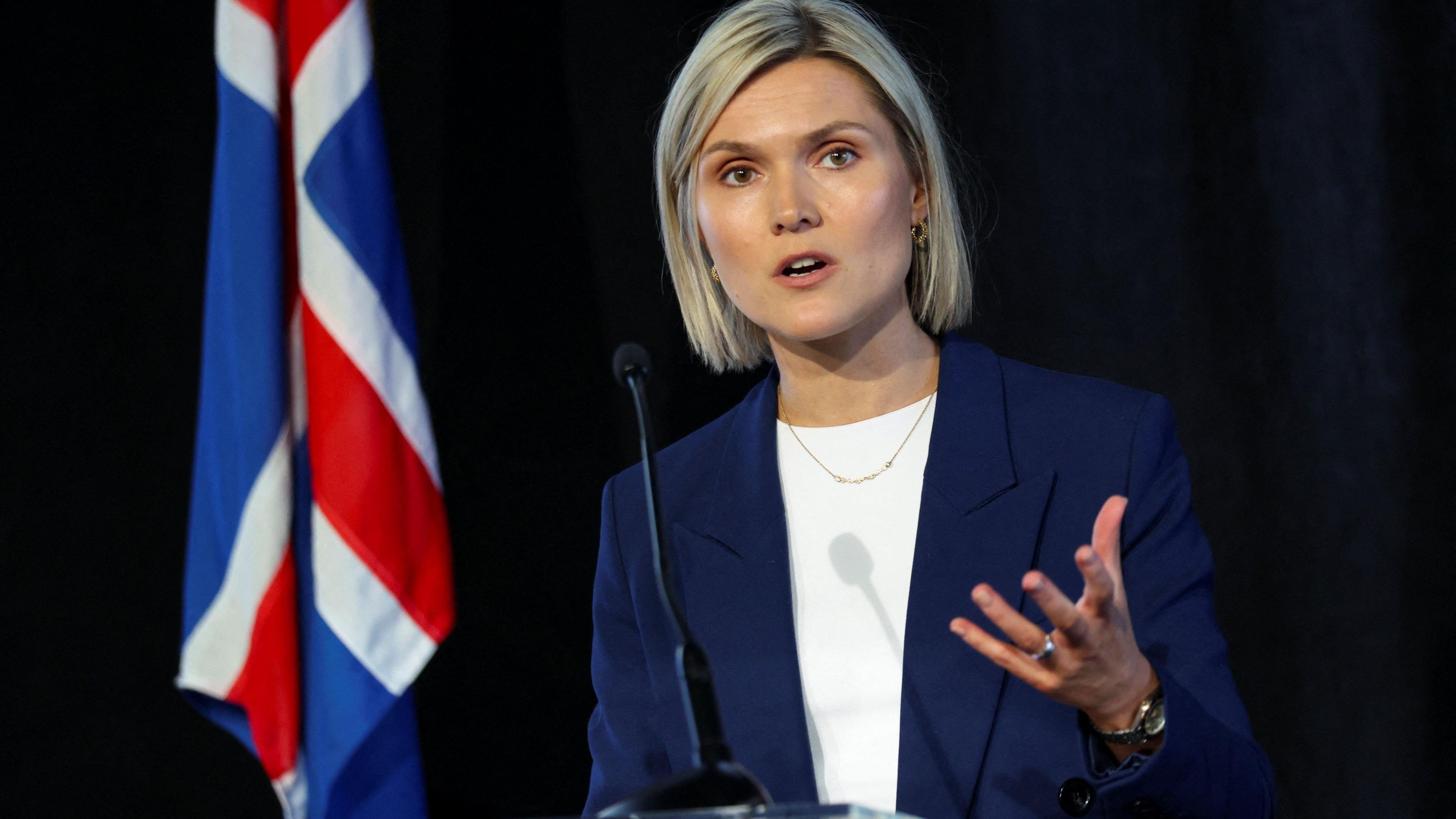
Prime Minister Kristrún Frostadóttir said the government would not revisit the issue while it was in power, although a second referendum could happen after an eventual accession agreement.
The result is seen as a setback for Brussels but raises questions about whether all Arctic nations will fit into the EU’s single market and fiscal policy.