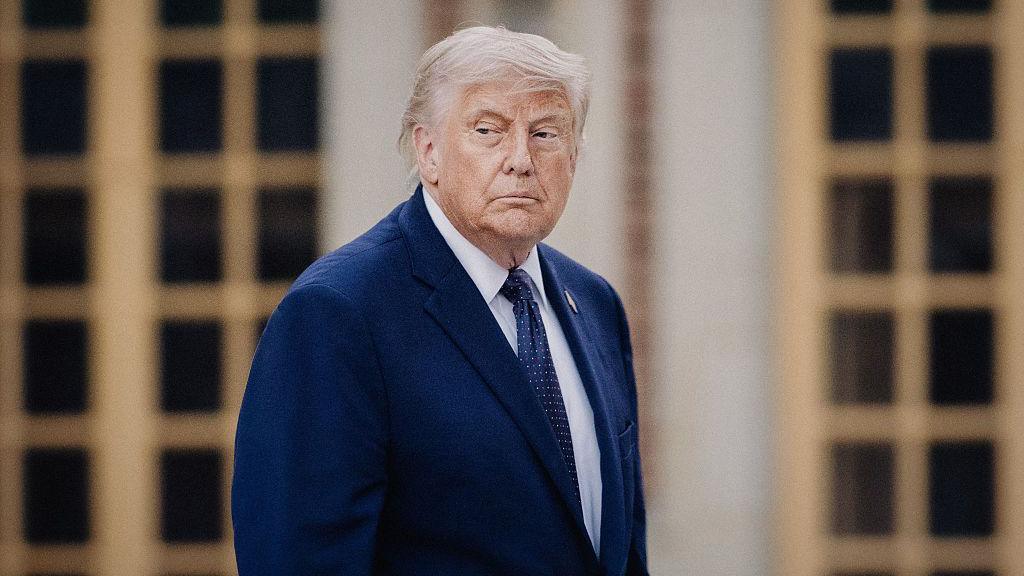
US President Donald Trump's decision to lower reciprocal tariffs on India from 50% to 18% has been met with a sense of relief in Asia's third-largest economy, even as precise details on the agreement remain sketchy.
India paid the highest tariffs in the world after Trump raised import duties on Indian goods from 25% to 50% in August last year, saying Delhi's purchase of discounted Russian oil was helping fund Moscow's war effort in Ukraine.
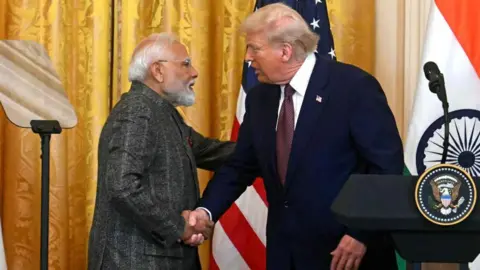
After his call with India's prime minister on Monday, Trump claimed Narendra Modi had agreed to stop buying Russian oil, and buy much more from the United States, and potentially Venezuela. Although India has not commented on these claims, Modi thanked Trump on behalf of the 1.4 billion people of India for this wonderful announcement, expressing hope for unprecedented heights in US-India partnership.
The trade relationship had soured amid Trump's tariffs, leading to a sharp decline in Indian exports to the US. Trump's tariffs had forced the protectionist Indian government to pursue other trade agreements, with recent deals indicating a diversification of India’s export markets.
The announcement, while welcomed by Indian industry, is shrouded in uncertainty about its details. Analysts suggest that despite the positive direction, clarity on product coverage, timelines, and adherence to commitments remain essential.
Experts advise a cautious outlook, stating that political signals do not equate to finalized agreements. There are still significant questions regarding whether India will eliminate tariffs on key sectors, such as agriculture, and how the deal aligns with India’s strategic positioning between major global powers.