In brief
The Indian government has ordered all educational institutions in the Kashmir region to review and remove books deemed "objectionable". Critics argue the directive suppresses academic freedom and erases Kashmir’s complex past. The move follows a recent ban on books that profile separatist leaders, stirring accusations of ideological control. While authorities claim they aim to protect students from extremist content, opposition voices fear it signals a broader campaign against dissent.
India’s new order to review books in Kashmir sparks critics’ backlash
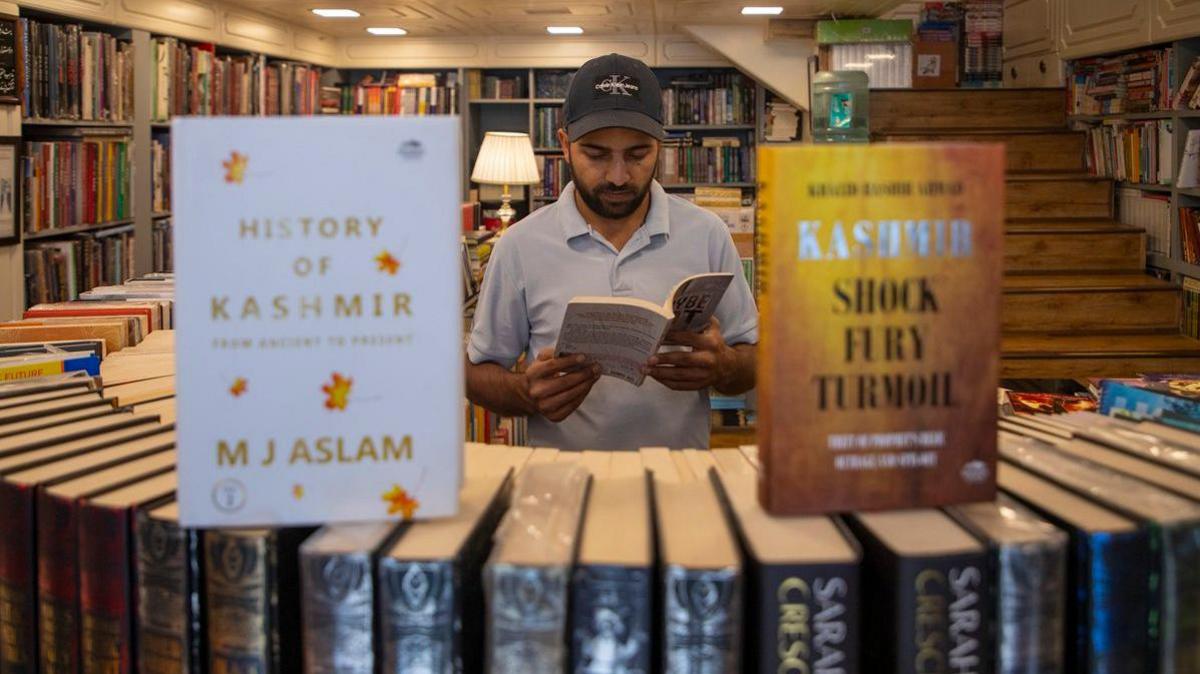
The Ministry of Education issued a directive last week requiring schools, colleges and coaching centres across Indian‑administered Kashmir to screen all published material on their premises for content that could violate religious sentiments, laws, educational values and established norms.
The order, described by officials as a protective measure against books that promote, glorify or legitimise terrorism, violent extremism, secessionism, or radicalisation, calls for any such material to be reported to higher authorities.
Opposition parties, scholars and students have dismissed the regulation as an assault on academic freedom and an attempt to erase Kashmir’s contentious history from the curriculum. “It is dangerous to let a single governing body decide which narratives remain in classrooms,” said Noor Mohammad Baba, a political scientist.
The directive follows a separate controversy over two school library books that profiled separatist leaders, leading to their withdrawal and arrests of those involved in their publication. The government has stressed that the aim is not to curb reading but to keep controversial material out of educational settings.
Critics argue the order mirrors a broader pattern of censorship in the region, especially after 2019 when Kashmir’s semi‑autonomous status was revoked. They warn that such measures could suppress legitimate academic discourse and undermine civil liberties.
The ban will be challenged in court, and the debate is likely to intensify as stakeholders grapple with the balance between national security and freedom of expression.
By Cherylann Mollan and Auqib Javeed – Reported from Mumbai and Srinagar