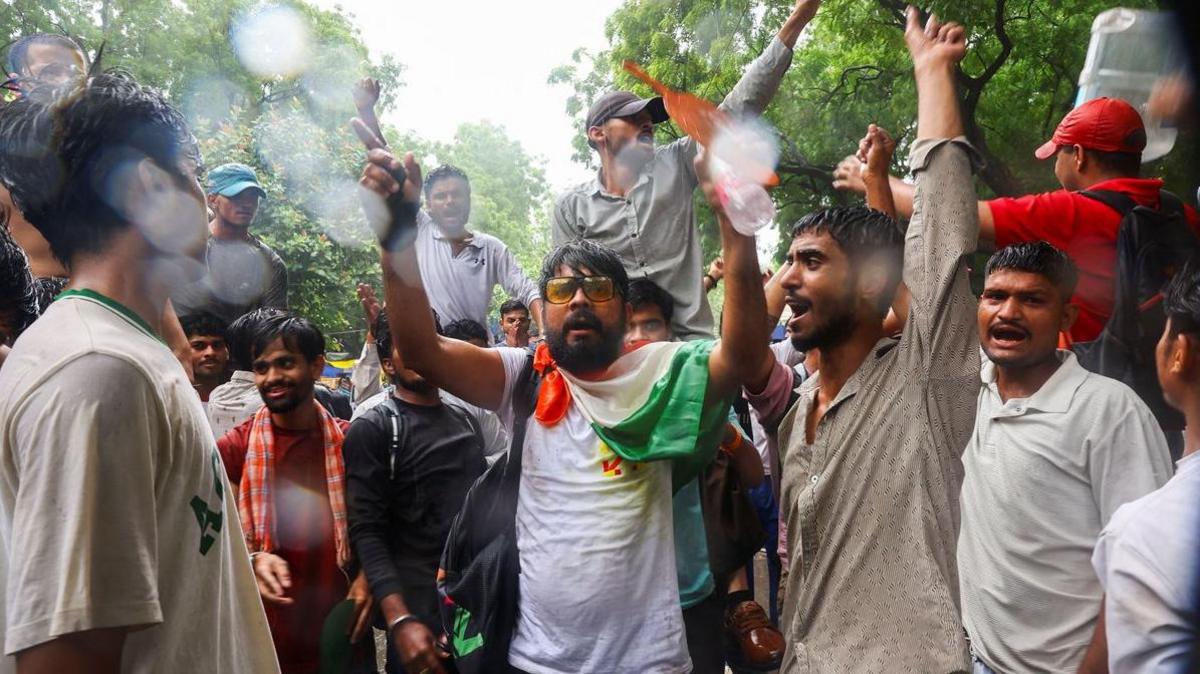
India’s Modi government is under unprecedented public pressure as the Cockroach Janta Party (CJP) escalates its protest movement.
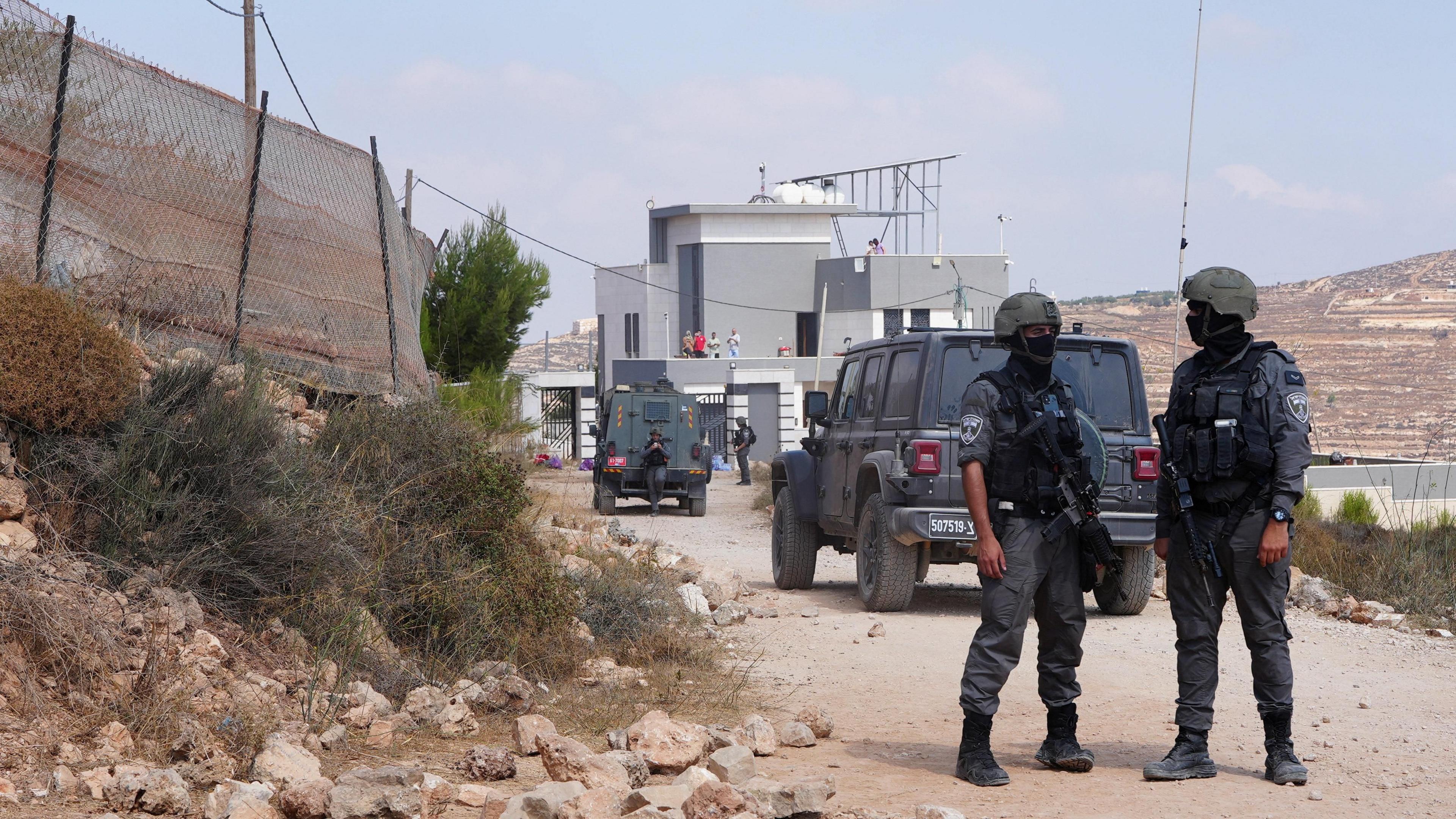
Thousands of supporters have remained in central Delhi since the monsoon session began, insisting on an outright resignation of Education Minister Dharmendra Pradhan for his handling of recent examination paper leaks. The protest has persisted in heavy rain and after police used batons and tear gas to disperse demonstrators, injuring at least 60 people. The iconic Jantar Mantar site in Delhi was dismantled by authorities, yet protestors refused to vacate, maintaining a 24‑hour sit‑in that has become a symbol of sustained civil disobedience.
The movement gained national significance when Congress leaders—most notably Rahul Gandhi—staged a surprise march to the Prime Minister’s official residence. Gandhi was briefly detained by police and later released, but he continues to argue that the government must apologise to students and engage in meaningful debate rather than political spectacle. In response, Federal Minister Jitendra Singh expressed skepticism about opening a dialogue, accusing Congress of “changing the goalpost.”
CJP emerged after a chief justice referred to unemployed youths as “cockroaches,” a comment that angered many and inspired a satirical yet potent political brand. Though not a registered political party, it has organized large‑scale demonstrations in Delhi, Mumbai, Hyderabad, Bengaluru and Ahmedabad. The group’s influence was amplified on 28 June when educationist Sonam Wangchuk joined the sit‑in and began an indefinite hunger strike in support of the demonstrators’ demands. Police had forcibly removed him a few days earlier, forcing continued fasting in hospital.
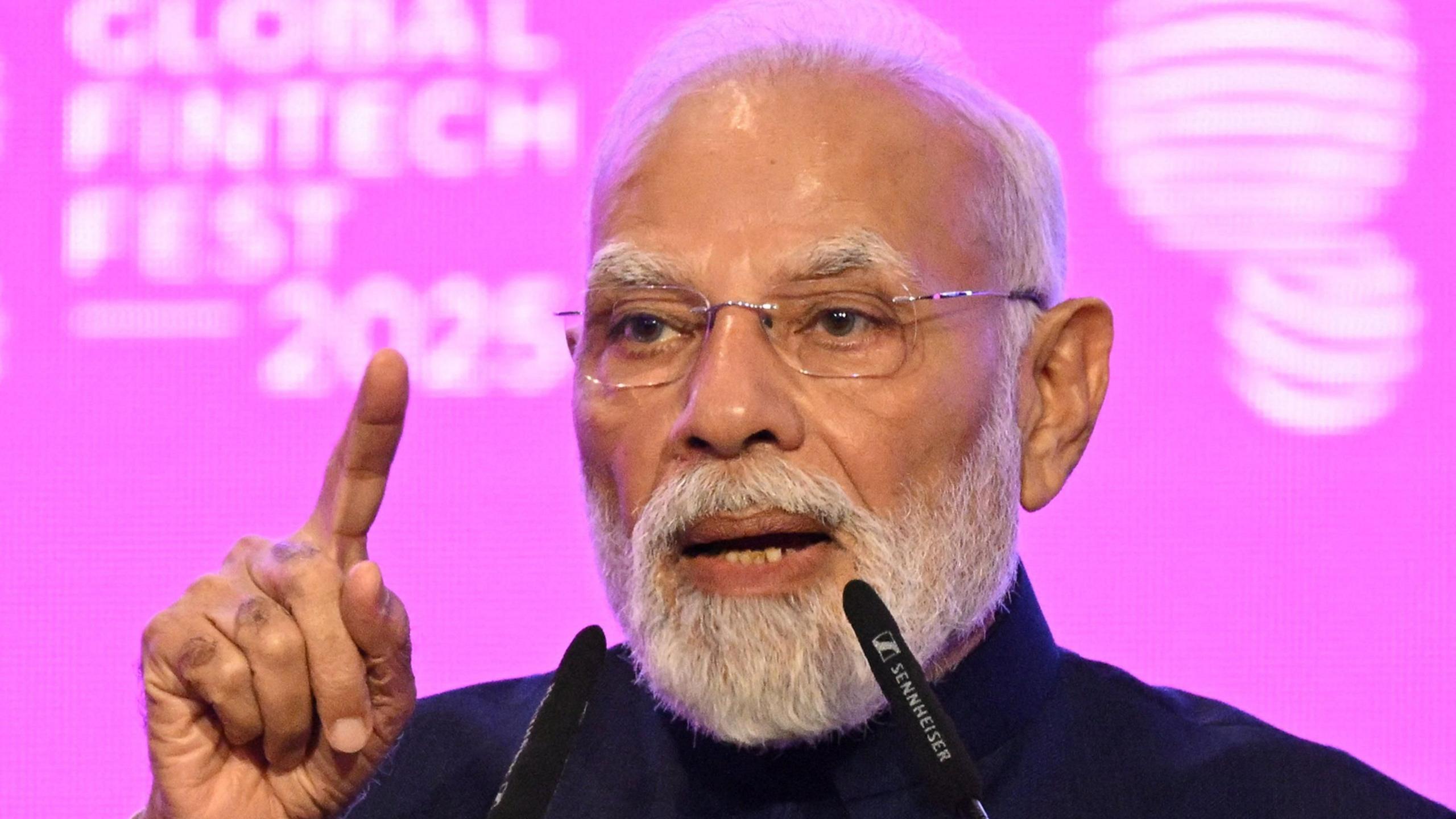
After Monday’s violent crackdown, Minister Pradhan criticized the opposition for exploiting student grievances for political gain, saying, “Even after the government conveyed its readiness for a comprehensive discussion, the Congress chose political spectacle over democratic debate.” He reiterated a commitment to reforms, yet the Prime Minister’s government has not yet responded substantively to the protest’s core demands.