Warning: This story contains details some may find distressing
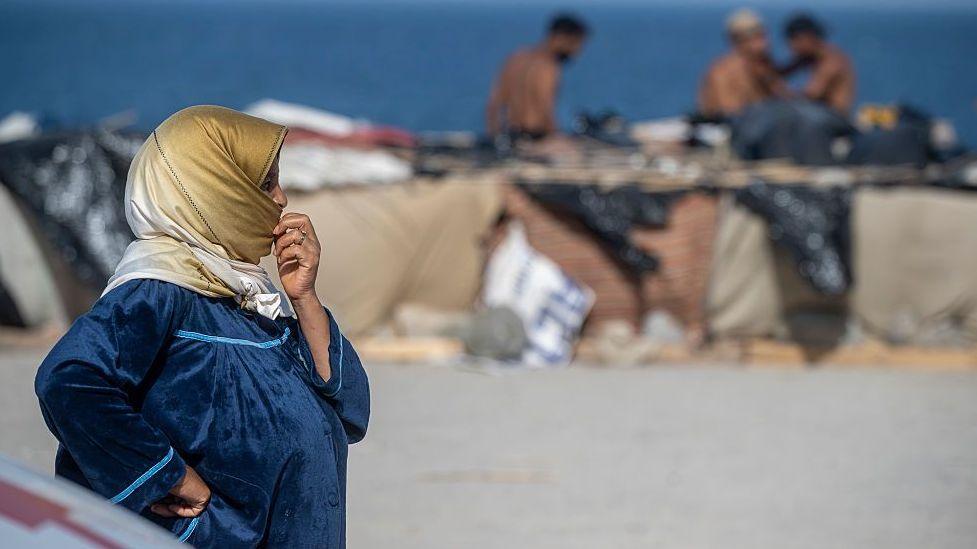
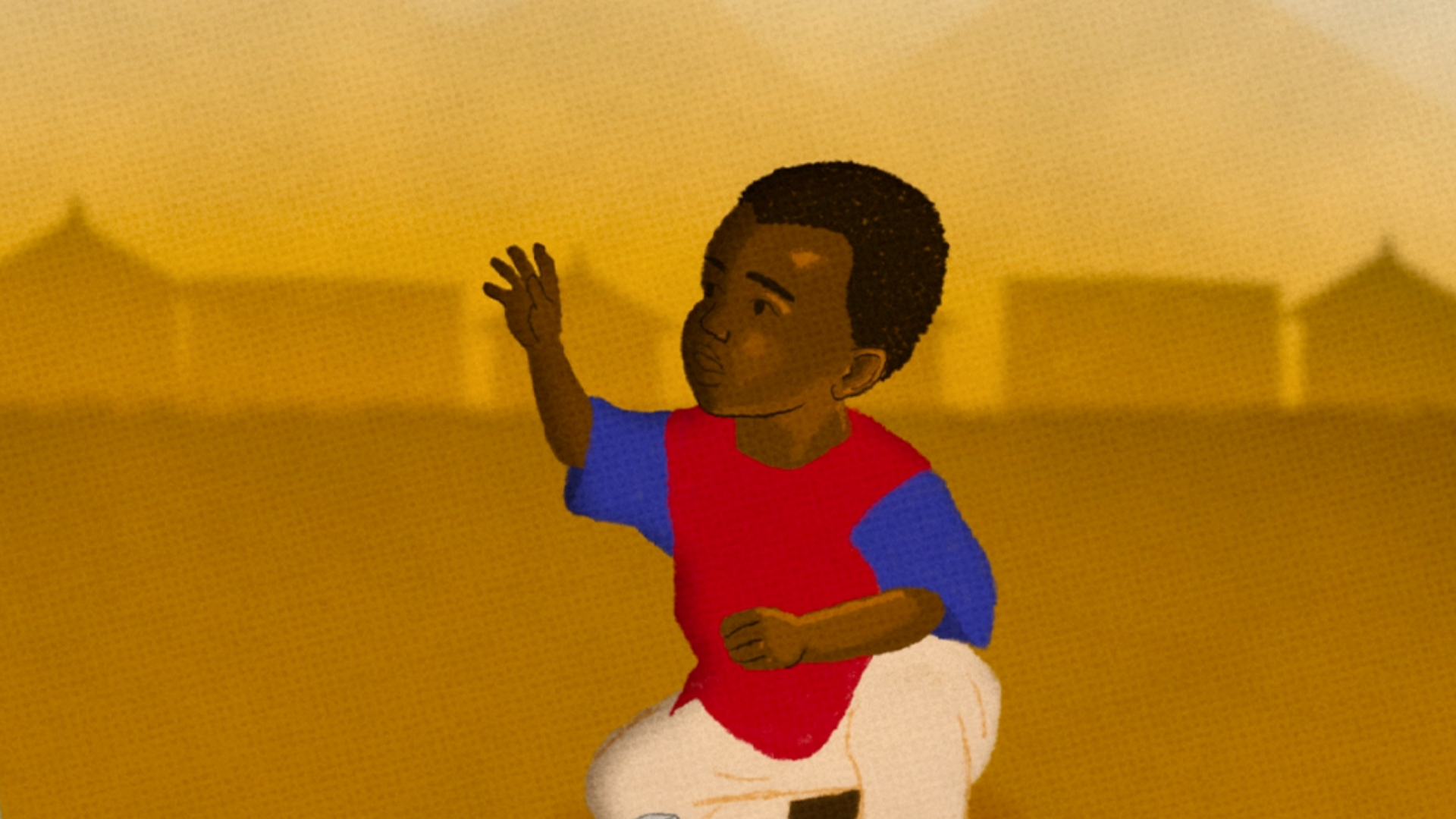
\A 17‑year‑old Sudanese girl holds a newborn boy in her arms with a calm that hides her fear about his future.
\“This son of mine has no father, no birth certificate and no national number,” Amira, whose name has been changed for privacy, tells the BBC.
\For Amira, the violence began when the city of El‑Fasher, once a last stronghold of the Sudanese army, fell to the Rapid Support Forces (RSF) and allied Arab militias after eighteen months of siege.
\During the siege, civilians endured constant bombardment, clashes and a severe lack of food while armed men captured families who attempted to flee. Amira’s family were abducted by three RSF soldiers who blind‑folded and locked her in a room for two months, raping her each day.
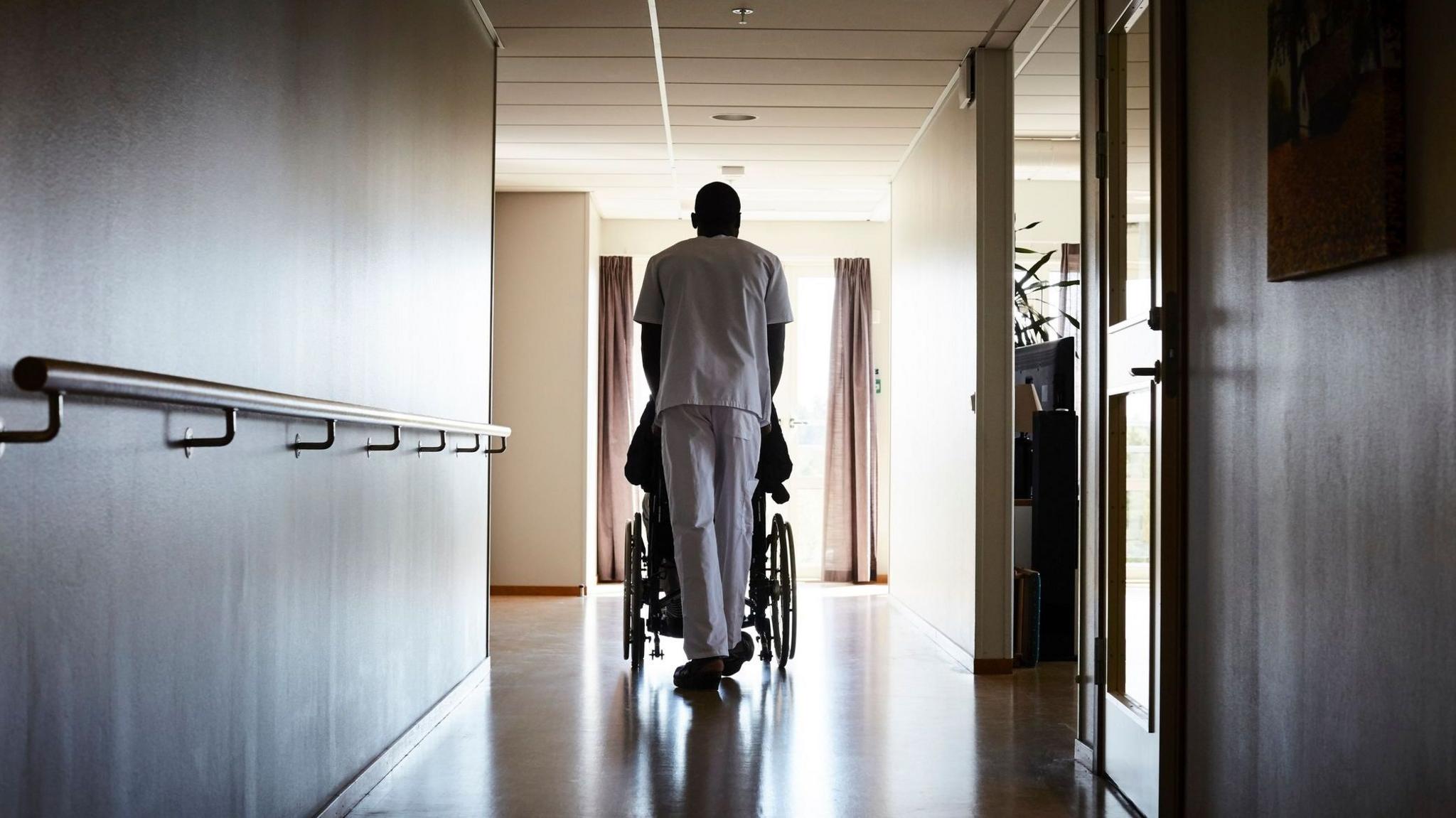
\Awaking with a pregnancy and worsening illness, Amira was abandoned near a remote area. With the help of other refugees, she received medical care at a humanitarian hub outside RSF control, where she delivered her son at a hospital run by the International Medical Corps.
\The Nada Al‑Azhar Foundation for Disaster Prevention and Sustainable Development—an NGO working in Sudan—helped locate Amira’s family at a displacement camp and provided counseling. Yet a month after the birth, Amira cannot register her son: she lacks a father or official record of a parent.
\Without a birth certificate, her child cannot be vaccinated, enrolled in school, or have any legal status. Amira fears “for his future” because he is invisible in the system, and she cannot afford his basic care or go to work without risking further violence.
\Nada’s director of protection programmes, Abu Bakr Yousif Yaqoub, explains that registering children born outside marriage requires a national number and parental details that are often missing when a mother is a victim of assault or when a father is absent.
\“The mother is often alone or herself a child who needs care, which limits her ability to care for her baby,” Yaqoub says. He adds that vital vaccinations and long‑term health follow‑up can be missed if identity registration fails.
\Sudanese lawyer Majida Idris notes that the 2010 Child Act allows registration of children born out of marriage, but the process hinges on a mother’s willingness to report an assault—a difficult step when she may be traumatized, under age or fear of reprisal.
\Idris says the war has caused the shutdown of civil registry offices in many parts of Sudan, leaving thousands of children unregistered and denied access to education, healthcare and future legal rights.
\Amira’s mother, who was also unable to eat or drink while she searched for her child, reflects on the fragile relief of reuniting with her daughter: a “miracle from God” that resounds amid the administrative chaos.
\The story is a stark reminder that behind the headlines of conflict are countless children whose lives are paused by missing birth records. Their invisibility to the state not only limits present services but can doom them to a lifetime without the ability to travel, study or claim civil rights.
\