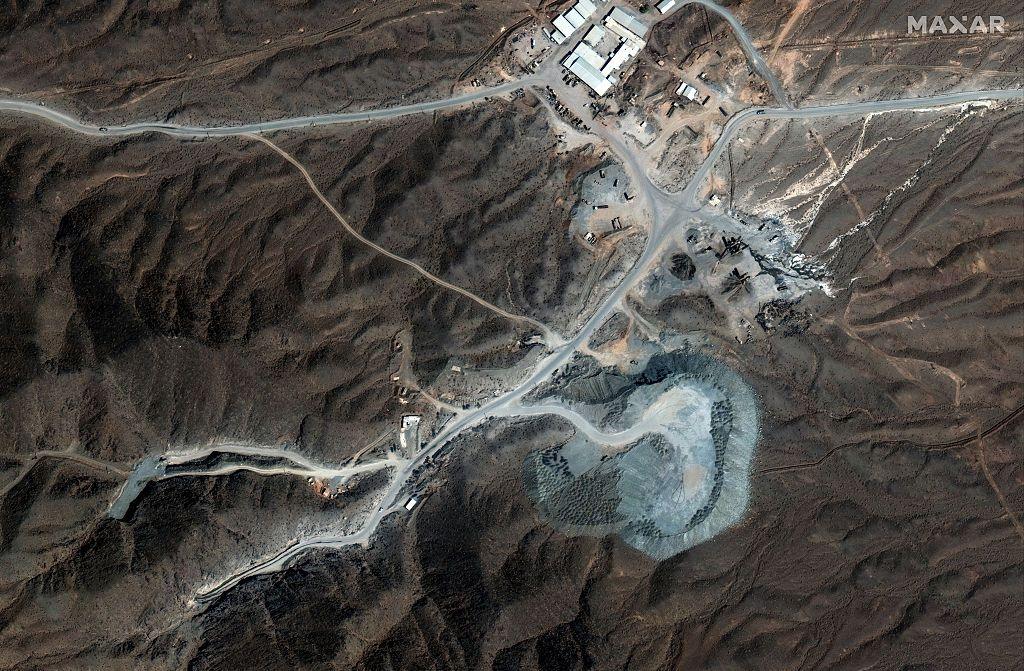
In a historic move, the IAEA referred Iran to the UN Security Council for non‑compliance with the 1968 Non‑Proliferation Treaty. This is the first time the IAEA has taken such a step in two decades.
The resolution was adopted at a Vienna meeting of IAEA governors, citing Iran’s failure to provide data on its stockpile of highly enriched uranium and denying inspectors access to facilities such as the Natanz enrichment plant and the Fordo production site.
Tehran reacted sharply, condemning the decision as retaliation for US and Israeli airstrikes that hit key nuclear sites during a 12‑day conflict in June 2025 and the latest strike wave that began on 28 February. Iran claims that these attacks have prevented inspections, and it insists its nuclear programme is purely for peaceful purposes.
Despite the resolution, the prospect of new sanctions remains low because Russia and China hold veto power in the Security Council, while the resolution was backed by 23 countries and opposed by eight, including China, Russia and Niger.
The IAEA’s prospecting of Iran’s nuclear program now hinges on a report by Director‑General Rafael Grossi to the Security Council, as outlined in the official resolution document. Iran has warned that it will only restore inspection access as part of a broader settlement with the United States and Israel to end hostilities.
Notably, senior U.S. officials reported that, at the start of the latest U.S.–Israel conflict, Iran possessed roughly 440 kg of 60% enriched uranium—material that could quickly be upgraded to the 90% threshold required for weapons‑grade material.