In brief
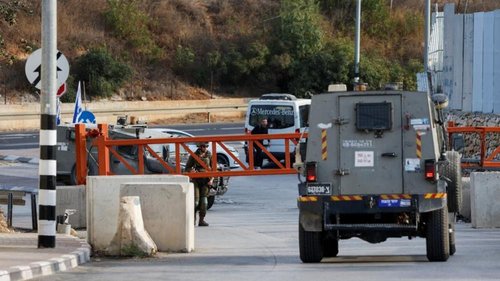
Two Palestinian homes were demolished by Israeli forces, raising tensions in Hebron as the military operation reaches its eighth day. Hundreds of families have been forced from their homes, and protests have erupted in the city.
Israeli forces blew up the homes of Hamoudeh and Ahmed al‑Jaabari on Friday in the southern West Bank city of Hebron, the Xinhua news agency reported. The two men had been accused of firing on Israeli soldiers on Oct. 23 in the Farsh al‑Hawa area, killing two soldiers before being shot dead by Israeli troops.
The demolitions followed a wave of reinforcements moved to the Deir Baha area, west of Hebron. Engineering units raided the al‑Jaabari home and carried out demolition work, forcing more families to leave the neighborhood, Palestinian security sources said.
The Israeli military confirmed the demolitions in a statement, saying it would "continue to operate proactively and offensively" to thwart attacks in the West Bank and "protect residents in the area." The statement was released as the operation entered its eighth day.
Displacement and community response
According to the Hebron Governorate Emergency Committee, 537 families, or 3,361 people, have been displaced from the al‑Jilda and Deir Baha neighborhoods since the operation began. The figures mark a widening humanitarian impact as soldiers use house demolitions to deter suspected militant activity.
In a separate report, the Hebron municipality indicated that 4,969 Palestinians had been displaced during the same period. The differing counts reflect the challenges of gathering reliable data on displacement amid ongoing military activity.
On Friday, a rally of Palestinian residents gathered outside the Israeli military headquarters in Hebron to protest the raids and closures. Protesters demanded an end to house demolitions and the protection of their families, some of whom had been forced to leave homes that had been bulldozed by the army.
Hebron witnesses a long history of tension between Israeli forces and Palestinian civilians. This latest wave of demolitions adds to the growing list of homes destroyed since the Israeli operation began days after the Oct. 23 shooting. The military has said that house demolitions are a deterrent against future attacks, while critics see them as punitive measures aimed at communities suspected of supporting militancy.
The citizens of Hebron face a direct threat to their civil rights: the right to live in their homes, to maintain community ties, and to move freely without fear of military force. The participation of local residents in protests highlights a growing sense of collective accountability and an appeal for transparent governance.
A key civic stake is the accountability of the military to the local population. The statement issued by the Israeli military frames the demolitions as defensive, suggesting that the operation is aimed at protecting residents. However, the fact that home demolitions are being carried out while families are displaced raises questions about the proportionality and legality of such measures under international humanitarian law.
As the operation continues, the displaced families are encountering difficulties in securing shelter and basic services. The Hebron Governorate emergency committee’s figures signify large-scale displacement, yet official support for displaced residents remains limited, feeding further resentment and civil unrest.
Ultimately, the ongoing demolitions and displacement in Hebron are reshaping the civic landscape. They cast a shadow over the prospects for cross‑community dialogue and highlight the importance of accountability. The citizens’ demand for protection and the right to live without fear encapsulates the core democratic concerns at stake in the southern West Bank.