In brief
Israel’s far‑right minister Itamar Ben Gvir is gaining unprecedented support among the country’s first‑time voters, with polls showing over 16 % backing his party. Youth backers credit Ben Gvir with offering a sense of security after the Oct 7 attacks and underline the power of social‑media outreach. While his extremist positions – annexation of the West Bank and “voluntary emigration” of Palestinians – are widely condemned, the new generation’s anger and fear appear to outweigh political caution. The tight election race may hinge on turnout, with more than 80 % of new voters expected to cast ballots – a level that could tilt power toward Ben Gvir’s coalition.
When Israel’s far‑right National Security Minister Itamar Ben Gvir first turned 18, he was rejected from the army for being “too politically extreme.” Thirty years later his hard‑line stances have stayed the same – yet the country’s political establishment has rewarded him with a cabinet seat.
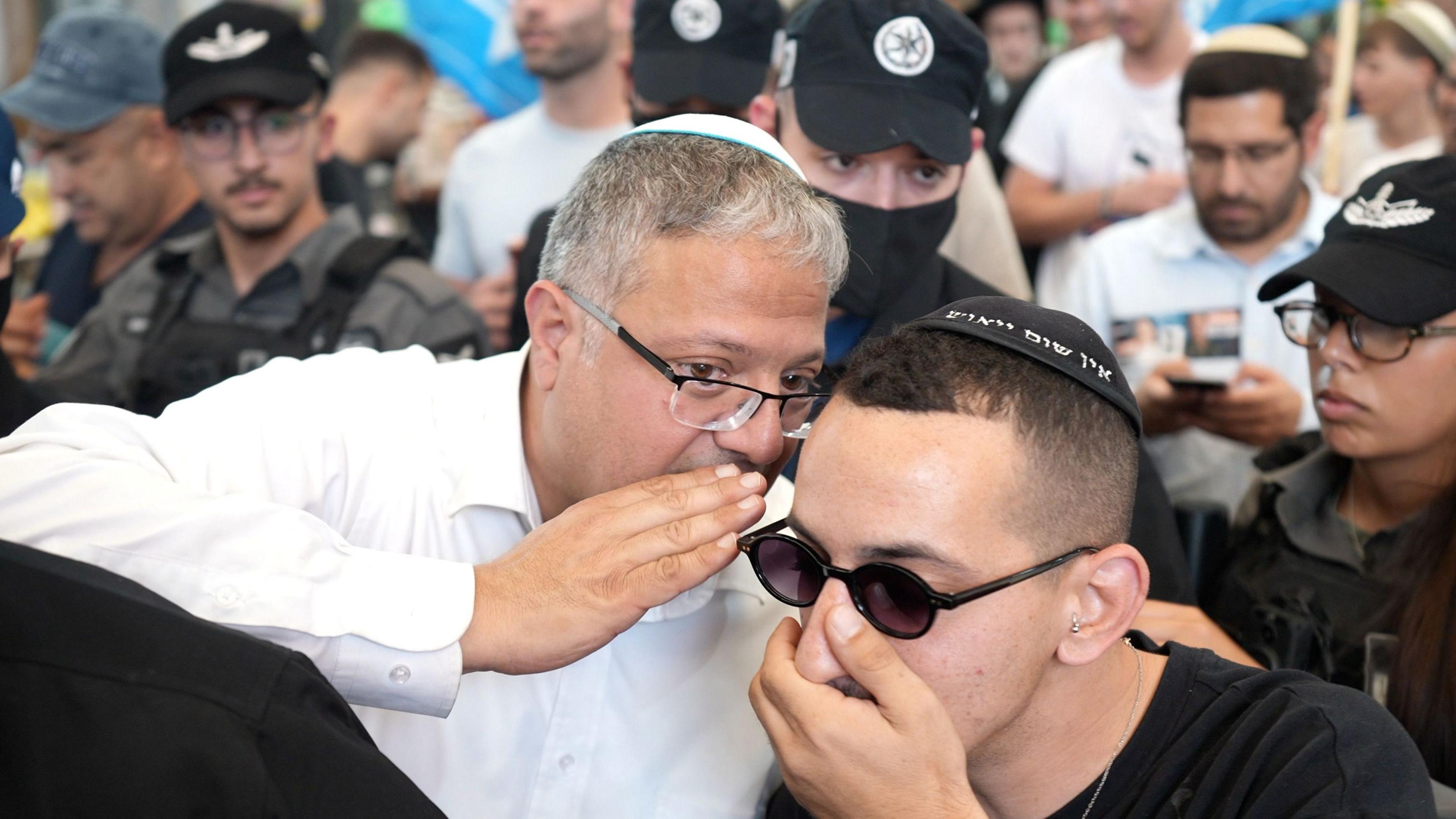
On the campaign trail ahead of next week’s general election, Ben Gvir is often surrounded by a jubilant pack of fresh‑faced young fans. In the mixed market of Ramle he told reporters that his message to young voters was simple: “Get out and vote.” He added, “We see the support, we see the love, and we want to win!”
More than half a million first‑time voters will take to the polls next week – a group that many Israelis see as decisive for the future of Israeli security and identity. Polls show that 16 % of those voters plan to support far‑right parties, either Ben Gvir’s Jewish Power or the rival Religious Zionism party of Bezalel Smotrich.
Youth most willing to back Ben Gvir say he provides a sense of safety. 20‑year‑old Mordechai notes, “His slips of the tongue don’t matter – 90 % of what he says is amazing.” A 18‑year‑old named Nadav echoes that sentiment, adding that the commander will “have our backs when we go to the army.” A 23‑year‑old from London, Meir Schreiber, says the Oct 7 attacks convinced him the far‑right was the right choice.
Political analyst Dahlia Scheindlin points out that the trend is not only about the horrors of Oct 7; for two decades Israeli youth have leaned increasingly rightward, socialised into a security discourse that now includes annexation and settlement expansion. These young voters, in turning 18 they feel the weight of war, are less likely to decide by protest or petition and more likely to head straight to voting booths.
Ben Gvir’s appeal extends into the digital sphere. He was the most viewed figure on TikTok and Instagram in recent months, while his rivals lagged behind. Youth who normally do not consume mainstream news now get their political views from short‑form videos, and Ben Gvir was early to harness that medium. He and his inner circle often stream on TikTok, giving fans a live sense of proximity that traditional media could not match.
The country remains divided on who should lead; opposition parties warn of threats to democracy while the far‑right positions itself as the staunch defender of Israel’s security. With a tight electoral contest and a national mood shaped by recent conflict, the outcome could well rest on which side can mobilise the new generation of voters.