In brief
The 2026 Asian Games in Nagoya were marred by a raft of operational failures, from cramped container lodging and an overbooked cruise ship to wrong national anthems and bungled flag‑raising ceremonies. Organisers cut costs by using hotels and temporary units, sparking complaints about poor quality and lack of space. Simultaneously, a $63 bn yen contract awarded to GL Events sparked criticism for being “overwhelmingly cheaper” than rivals, raising questions about the competence of the firm handling the complex logistics. Despite promises of quick fixes, the controversies have led to formal apologies to South Korea and doubts about Japan’s ability to host future major sporting events. The Games also highlighted gaps in oversight and crisis management, suggesting lessons are still being learned.
Japan’s nagging reputation for flawless hosting was shaken when the 2026 Asian Games in Nagoya and Aichi faced a succession of blunders. From cramped container units to a chartered cruise ship, accommodation woes began long before the first medal was won.
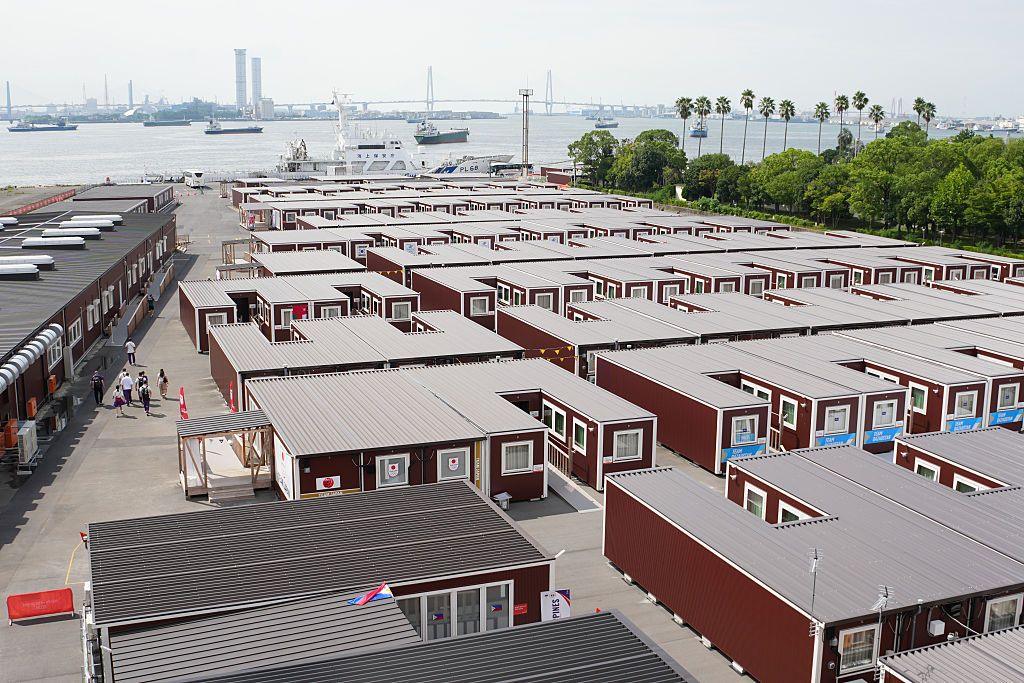
The organising committee had abandoned the tradition of an athletes’ village to save costs, instead packing delegations into hotels and cheap modular units across the city. The measure was blamed for small rooms, lack of facilities and the practical nightmare of tall athletes being unable to stretch on the cramped beds. Reports emerged that an Italian cruise ship with 1,500 cabins was temporarily used to house the sudden influx of participants.
But lodging was only the beginning. Transport mishaps saw athletes bused to wrong venues and the North Korean anthem played for South Korea’s men’s hockey team. During the men’s football gold medal ceremony, the South Korean flag was not raised properly, prompting a formal apology from organisers. Volunteers were told they could attend the closing ceremony for free, only to learn later that the decision had not been approved.
The contract awarded to France‑based GL Events added another layer of controversy. Local media accused the company of “overwhelmingly cheaper” cuts, hiring inadequately trained staff and leaving organisers short‑stretched. Despite these claims, the deputy director general of the Games insisted GL Events had experience with the Paris Olympics and had delivered a suitable environment for athletes.
Prof Kozo Tomiyama, an Osaka University scholar of sporting events, warned that if the chaos erodes international confidence, Japan could struggle to win future hosting rights. Meanwhile, the Olympic Council of Asia’s director general highlighted 54 world records set during the Games, pointing to athletic triumphs even amid administrative failures.
In the aftermath, the Nagoya mayor reiterated that the issues were “unacceptable” and that lessons were being taken forward. The Para Games, running alongside the main event, have already seen similar incidents with wrong national anthems.
The Asian Games served as a stark reminder that great logistical planning is as critical as sporting excellence. As the world watches, Japan must reckon with what went wrong to regain its standing as a trusted host for future mega‑events.