Israeli Settlers Besiege Palestinian Families in Qusra, West Bank
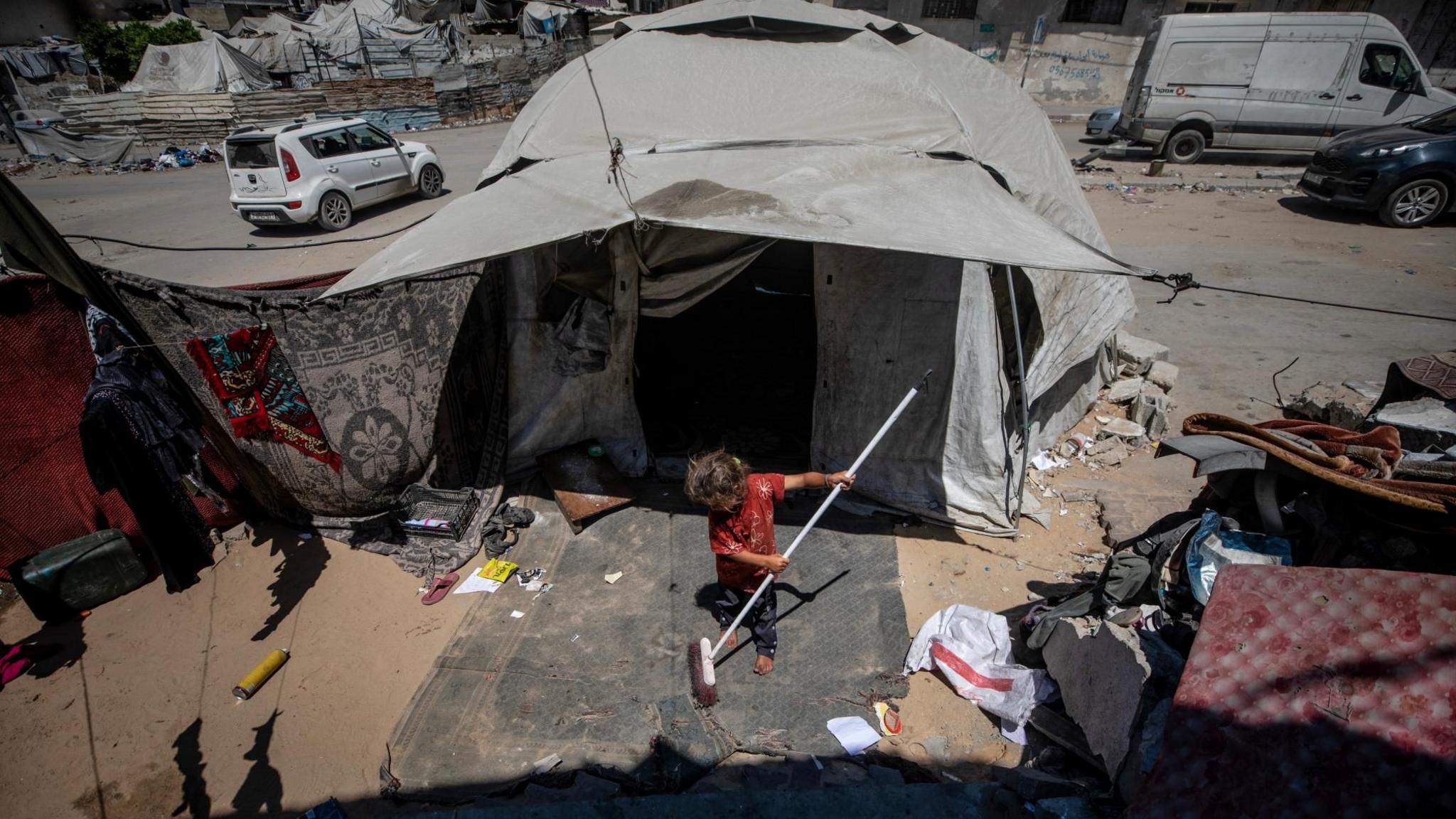
Since Sunday, the villages of Qusra have turned into a frontline for settler aggression, with the Abu Ridi and Hassan families trapped in their homes by an illegal outpost that blocks water, electricity and food supplies. The outpost, which consists of tents and stone walls, was erected without official Israeli approval, a violation of international law that has drawn condemnation from human rights groups.
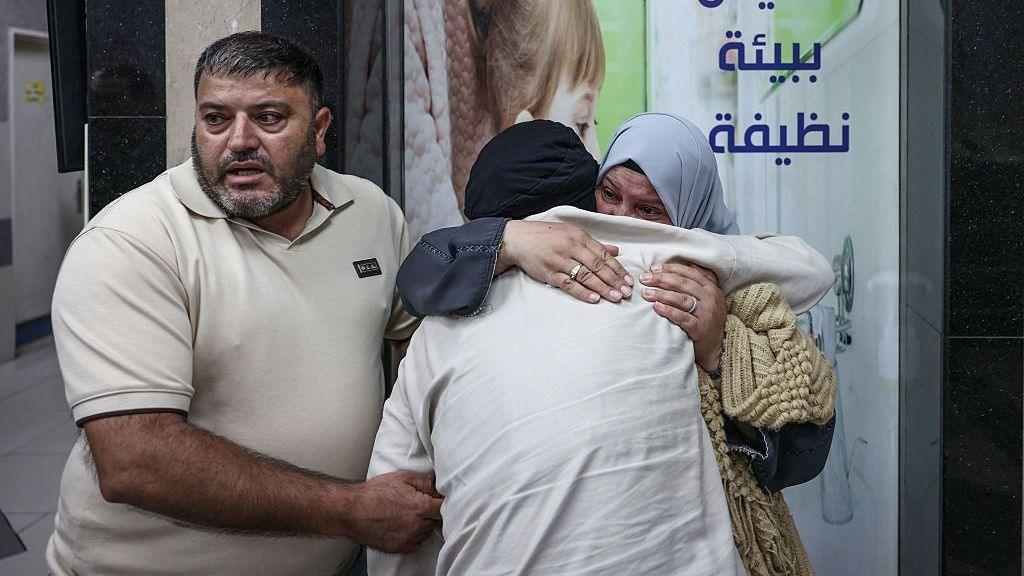
The families posted urgently on social media, calling out the shortage of essentials and asking for humanitarian aid. They described a situation “completely isolated” and pleaded for the right to live safely and with dignity.
The blockade prompted a rapid response from Israeli security forces, though the approach was initially met with resistance. Soldiers reportedly began the day by praying with settlers before attempting to intervene. Over the course of a week, police tactics included tear gas, stun grenades and the confiscation of settler tents, yet the opposing forces refused to dismantle the outpost until the Israeli central command asserted the need for disciplinary action against those involved.
Leaders from Yesh Din and other NGOs urged the military’s Central Command to protect the besieged residents and to evacuate the settlers, calling for accountability. At dawn on Wednesday, a Palestinian ambulance finally reached the families, bringing food and taking a child to a nearby medical facility.
The IDF issued a statement condemning the new outpost and declaring the seizure of Palestinian homes “illegal, reprehensible and unacceptable.” Yet the broader situation remained tense, with residents of Qusra recalling a “clear and sustained pattern of targeting” that included the burning of a mosque a month earlier.
International experts highlighted the escalating cycle of violence in Nablus, noting that the number of Palestinians killed in the West Bank this year has reached 76, including 18 children. In contrast, three Israelis have been killed as a result of confrontation with Palestinians, underscoring the complex dynamics that straddle both sides of the conflict.
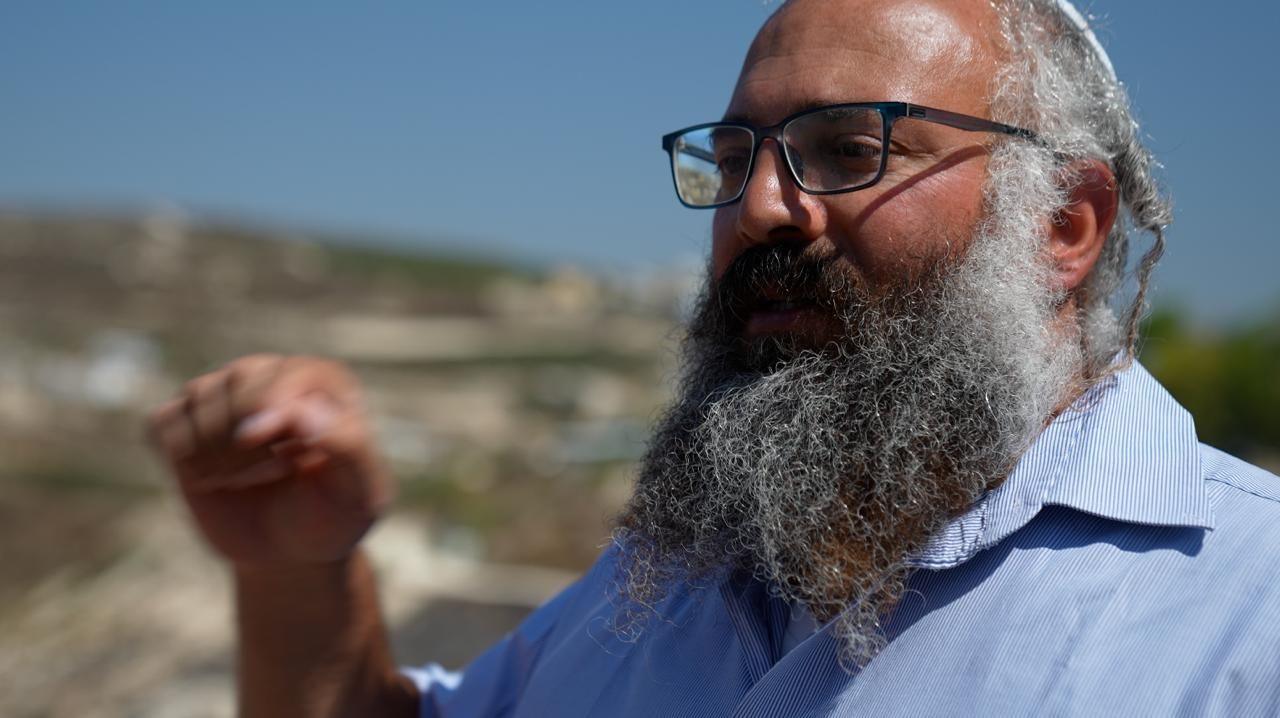
Israel’s ambassador to the United Nations, Danny Danon, refuted claims that settlements hinder peace, insisting that they would remain because the country holds biblical, historic and legal rights to the land. His statement was widely criticized, with UN officials urging a clearer understanding of the consequences of continued settlement expansion on the prospects for a lasting peace.
The situation in Qusra exemplifies the broader pattern of settler-led pressure on Palestinian communities in the West Bank. As the international community watches, the urgent need for a methodical approach to de facto hampering of settlements and safeguarding residents’ basic rights becomes ever more pressing.