JD Vance Doubts Livestream of Fort Hood Shooter’s Execution

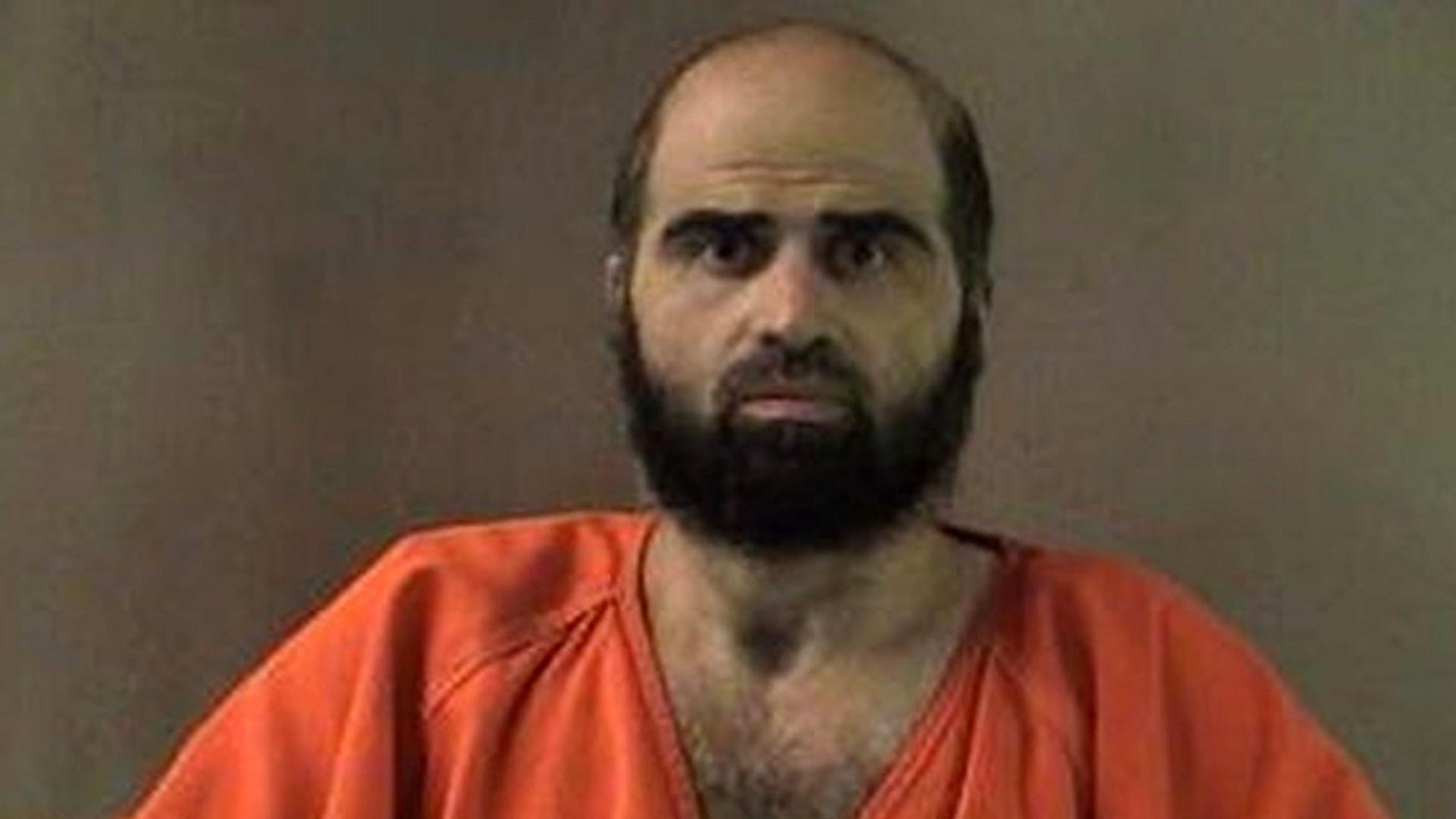
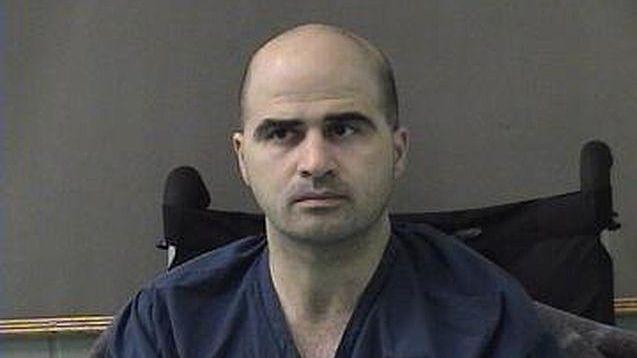
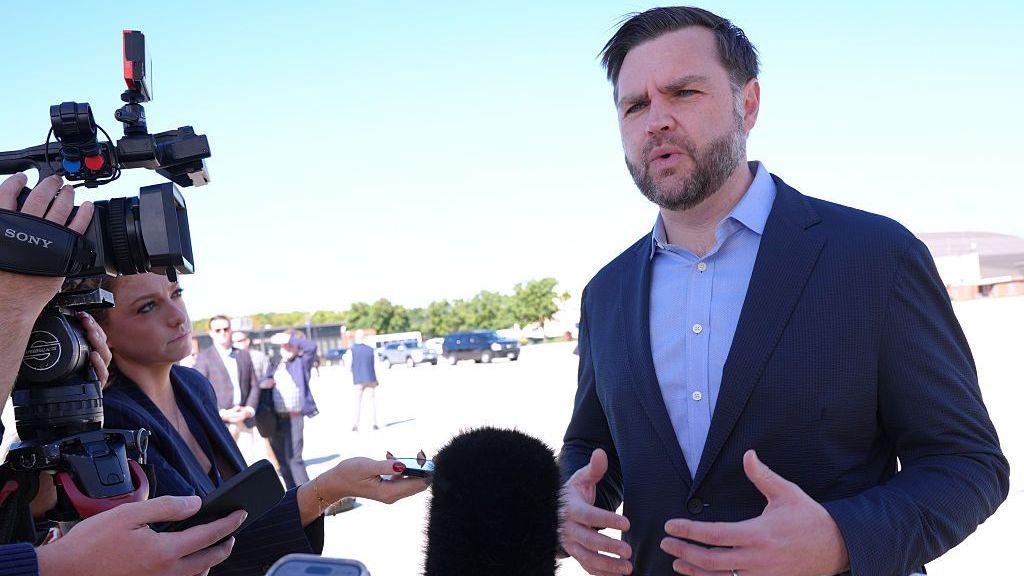
On 9 Oct 2026 Vice‑president JD Vance appeared on the tarmac before a group of reporters, when he voiced skepticism about the Pentagon’s plan to livestream Nidal Hasan’s firing‑squad execution scheduled for 3 Dec. He admitted that he “doesn’t know that’s actually going to happen” and added that if the execution were streamed “I’m not going to be watching it.”
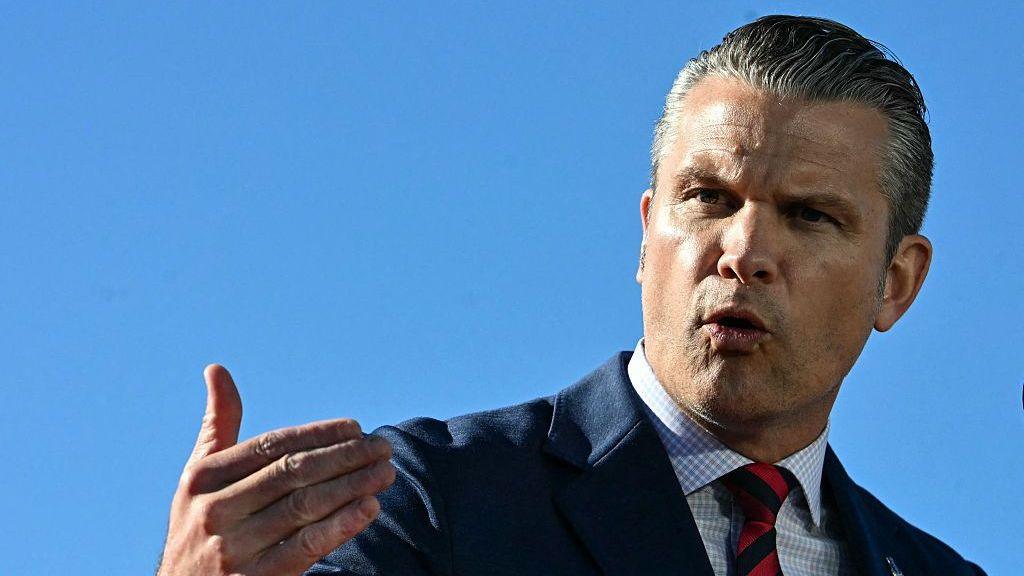
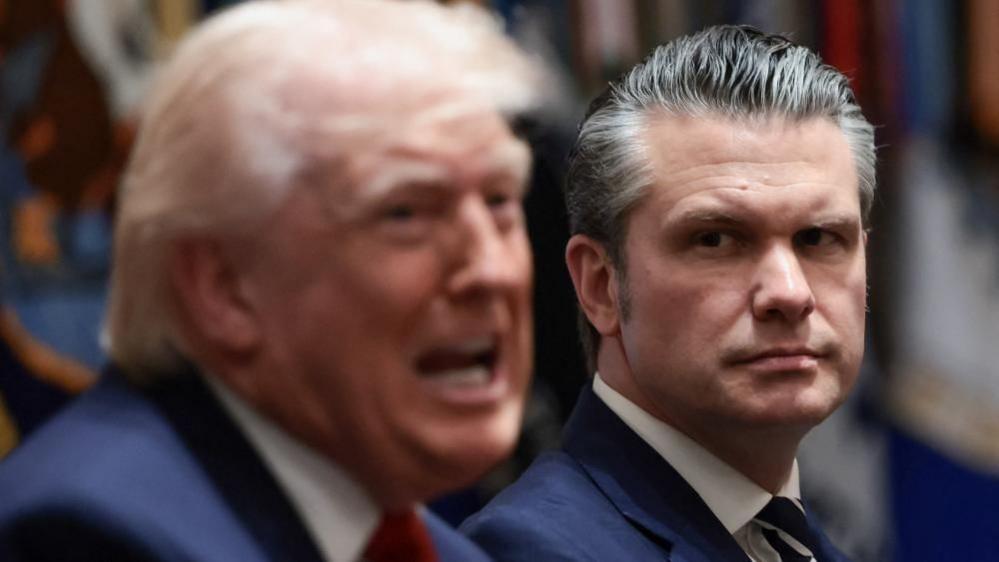
The conversation followed the announcement that U.S. Defence Secretary Pete Hegseth had told the media the execution would be made publicly available. Trump, however, claimed on the same day that he had “absolutely” approved the livestream, noting that “he killed 13, 14 people, badly wounded about 20‑odd people…and I think the death penalty is a very worthy way of going for him.”
Mixed Reactions Across the Political Spectrum
Both Republican and Democratic senators issued statements in force. Senator John Curtis argued that a public execution could create a “spectacle” that normalises violence, citing Rome’s history of bloody public shows. He warned that livestreaming could feed an “appetite for executions as entertainment.”
On the other hand, Senate Democrats called the proposal “disgusting” and likened it to executions carried out by the Islamic State, while a Republican state lawmaker voiced support for the death sentence but condemned the livestream, saying that “America is better than that.”
Media Platforms and Content Policies
Social‑media giants already prohibit live streams of capital punishment. Meta bans public broadcasts of executions, YouTube disallows violent or gory content intended to shock, and TikTok forbids extremely graphic violence. X (formerly Twitter) also removes content that glorifies death. Platform spokespeople indicated that the policies would remain in place even if the execution were state‑sanctioned.
The White House has not yet confirmed whether it will air the execution on its official channels, though it holds accounts on Meta, YouTube, TikTok and X. The Pentagon has yet to release further details on how, or whether, the livestream will be made available.
Historical Context and Legal Framework
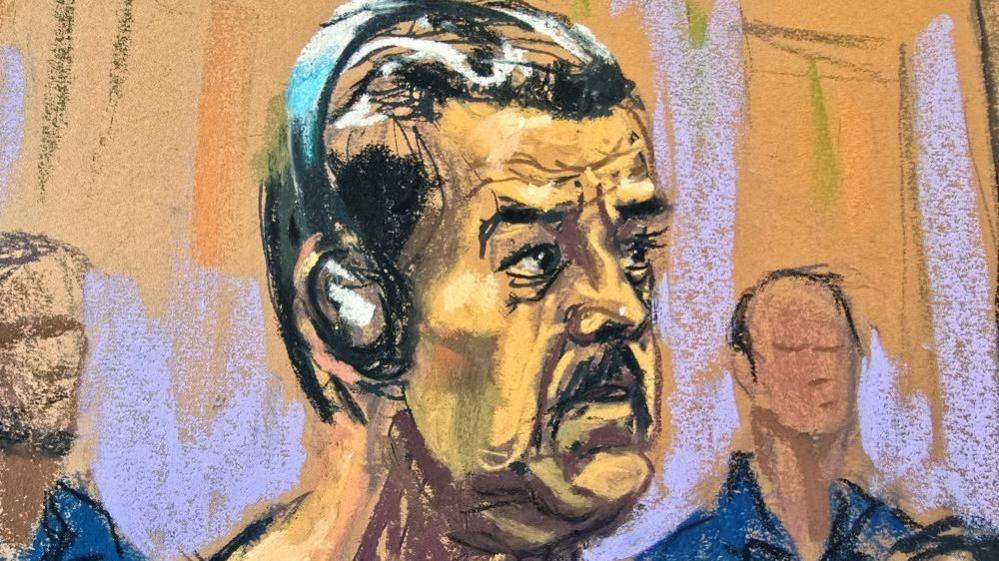
Hasan’s 2009 attack on the Fort Hood Army base killed 13 soldiers and injured 32, making it the deadliest non‑combat assault on a U.S. military installation. Military law requires presidential approval and appellate review before an execution can proceed.
The proposed firing‑squad execution would be the first U.S. military execution since World War II. In 2025, Iran carried out 11 public executions and Afghanistan six, according to Amnesty International.
Conclusion
Vance’s hesitation underscores a broader debate over whether death penalties can or should be made public for transparency, deterrence or spectacle. As the Pentagon and the White House deliberate, the U.S. public and global platforms remain divided over the ethics of livestreaming executions, a decision that could reshape perceptions of justice and media responsibility for years to come.