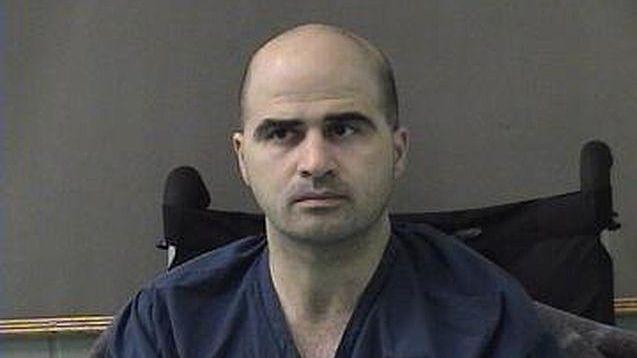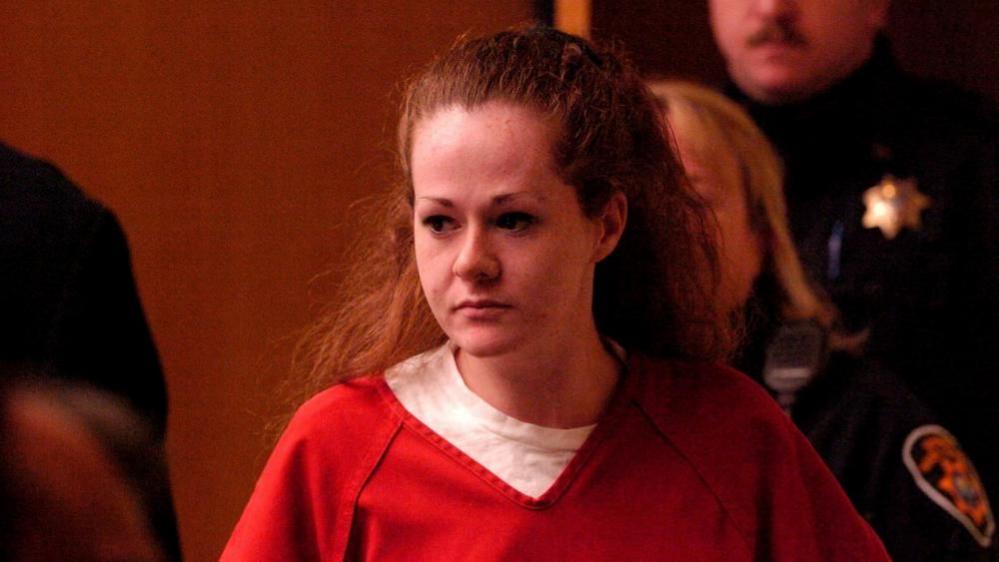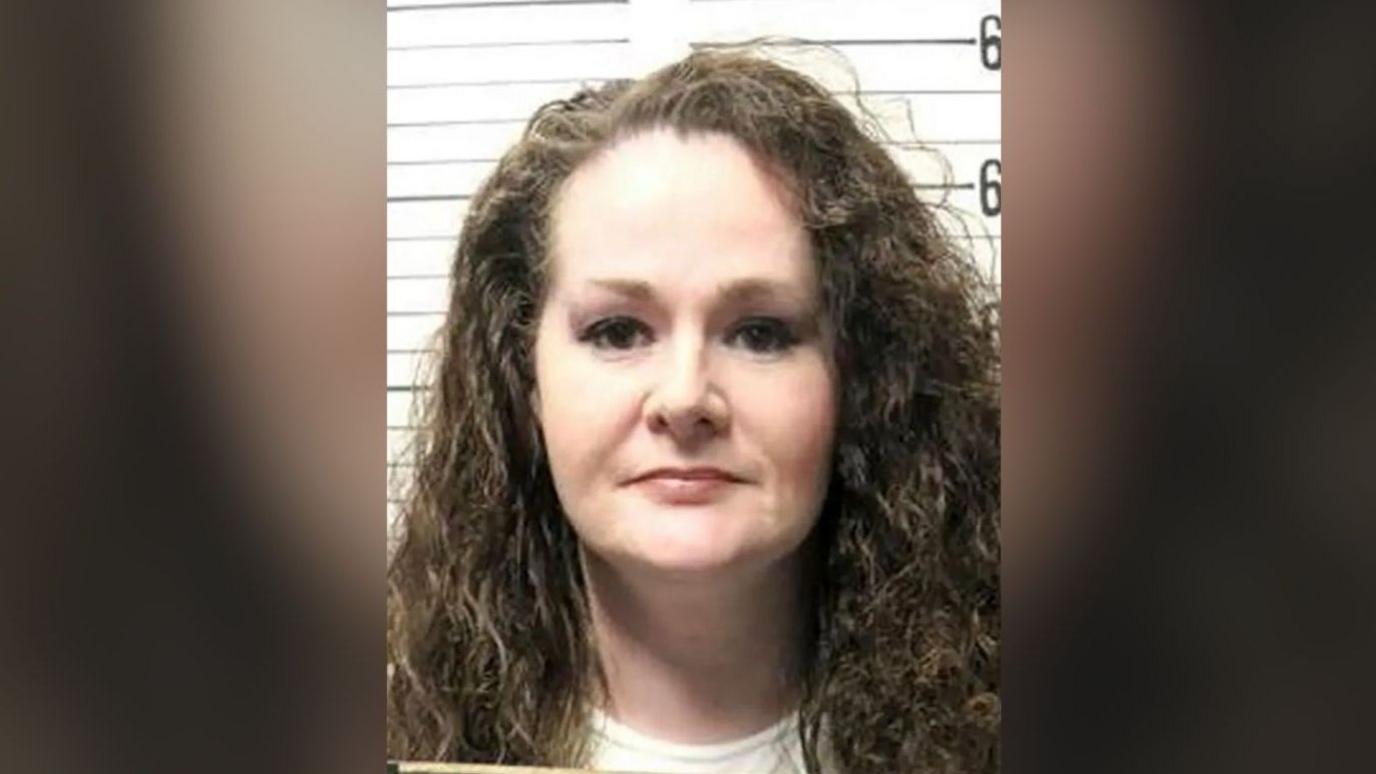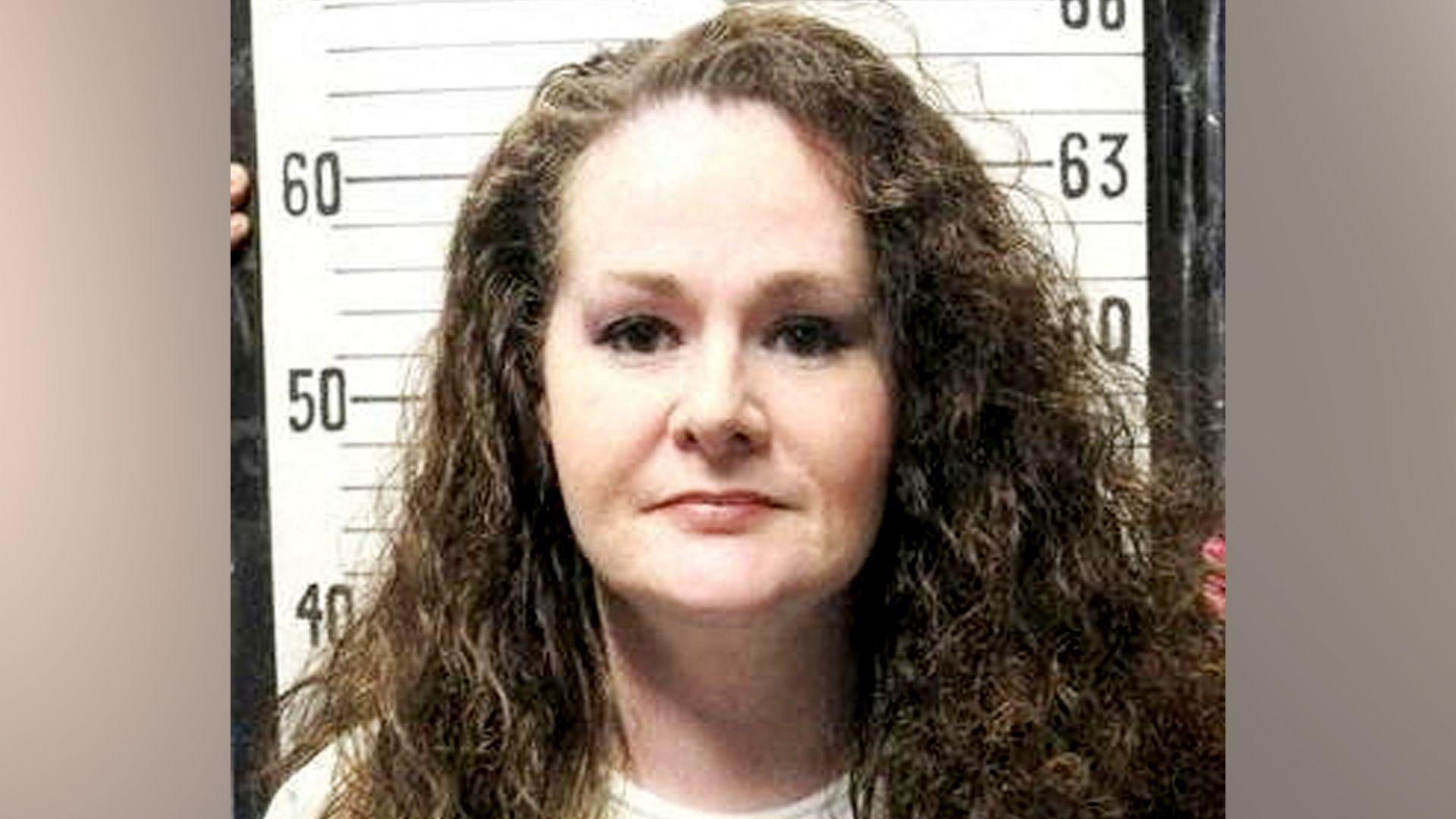

Jamaal Howard, 46, was executed by lethal injection on Wednesday evening in Texas, the first US execution since the failed attempt to put inmate Christa Pike to death last week.
Howard’s legal team sought a judicial pause on the execution after Pike’s botched injection—which exposed problems with drug integrity and the use of pentobarbital—argued that the same drug with a possibly degraded supply posed a risk of suffering.
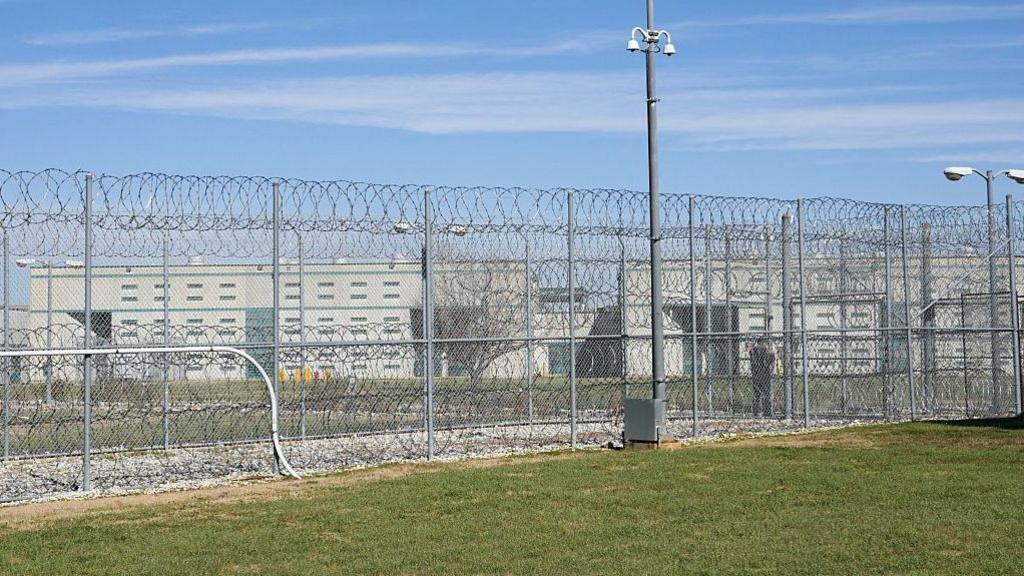
Both state and federal courts denied the pleas, and the Texas Board of Pardons and Paroles—after the Supreme Court declined to intervene—ordered that the procedure take place. The drug was administered in Huntsville’s high‑security unit, and Howard was pronounced dead at 20:03 local time.
Howard was convicted of murdering convenience‑store clerk Vickie Swartout in 2000 during a robbery. At the time of the crime he was 20 and had taken a pouch of cigarettes and $114 from the register before shooting Swartout.
In a final statement from the witness room, Howard apologized to the victim’s family, saying, “I wish that you accept my apology, and I wish you can learn to forgive me one of these days.”
The execution has reignited debate over lethal‑injection protocols, the availability of execution‑grade drugs, and the adequacy of legal safeguards for death‑row inmates in Texas and across the United States.