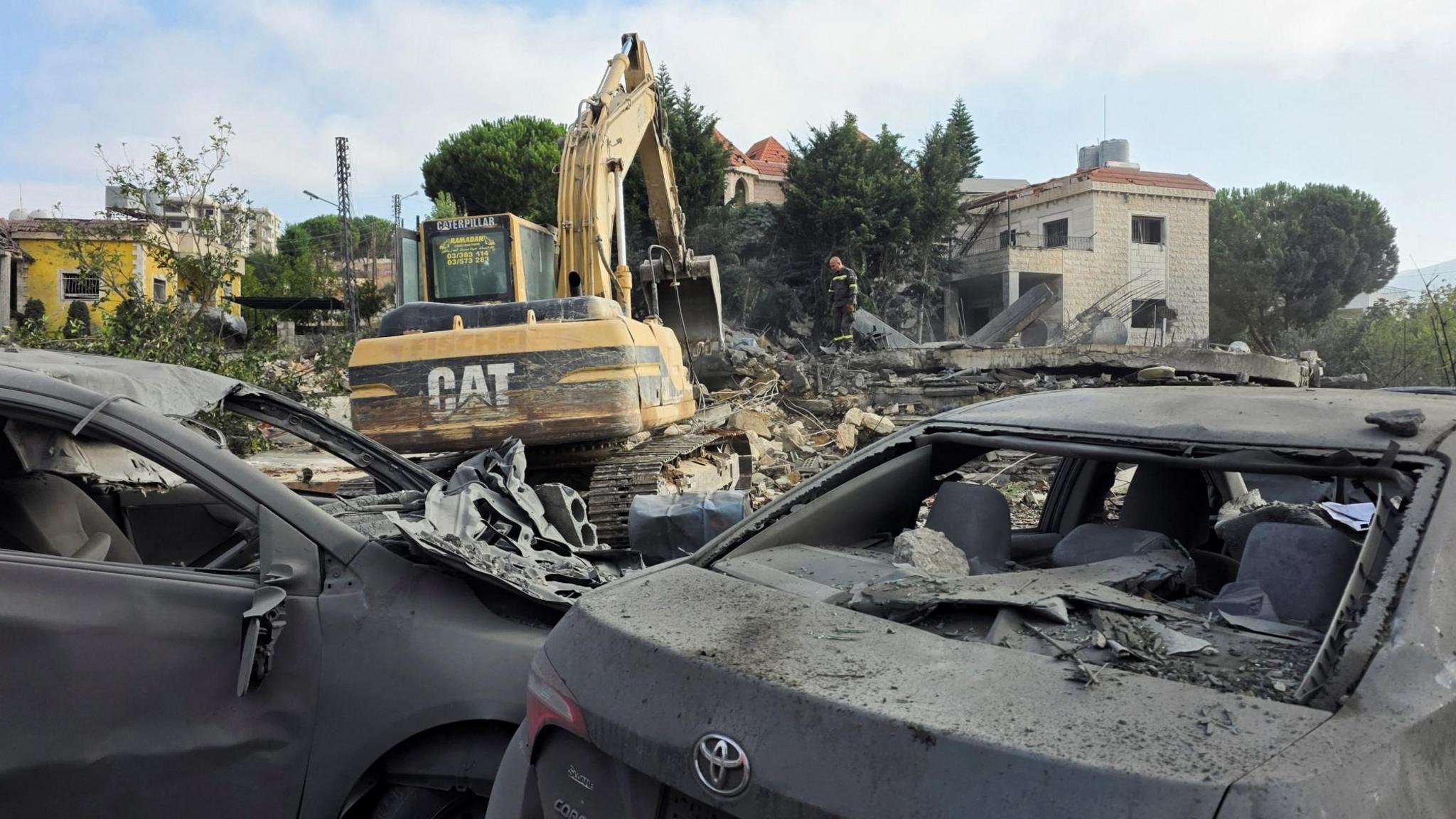
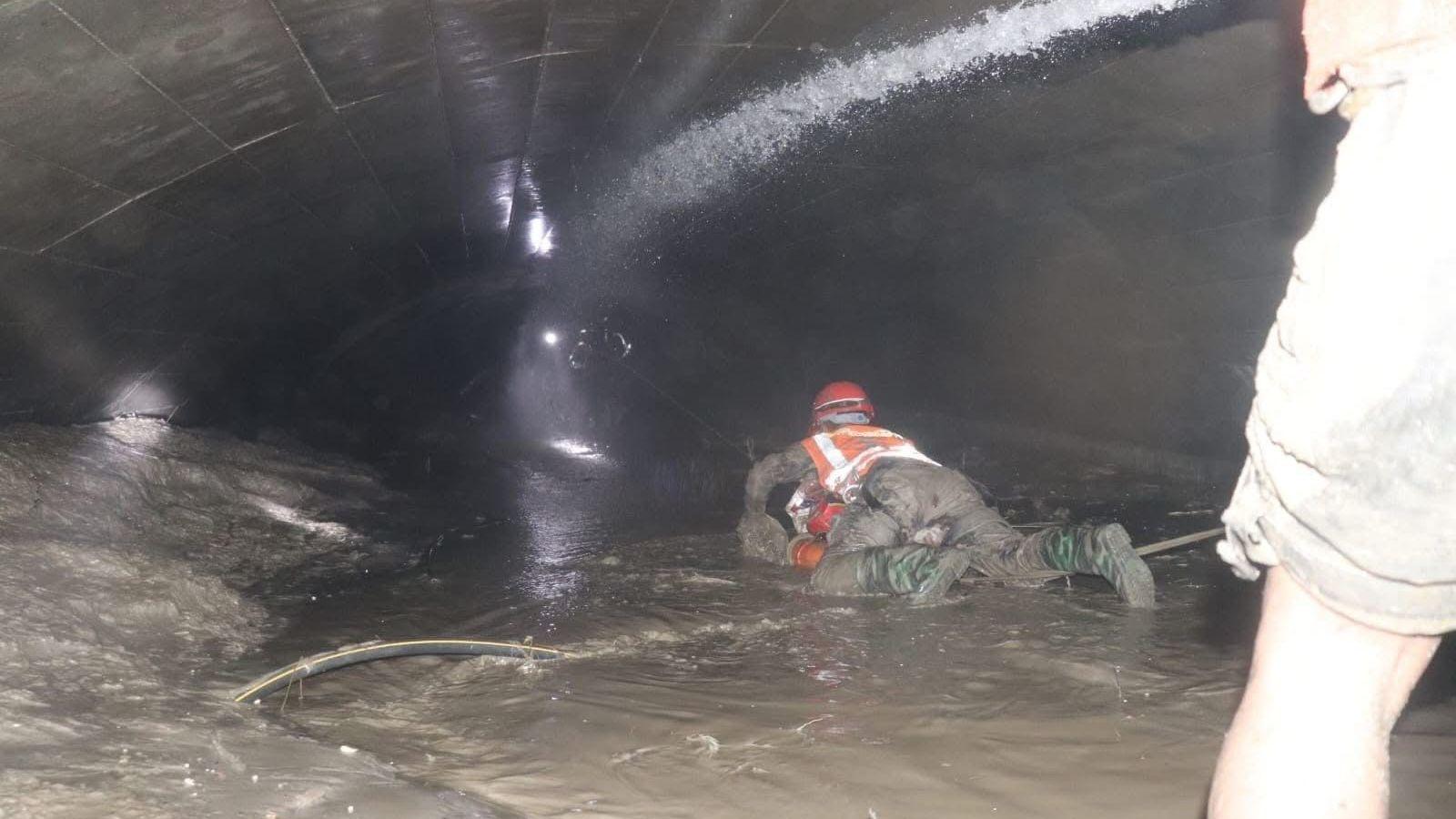
On Tuesday, a 6.8‑magnitude quake rattled Japan’s southern island of Kyushu, sending shockwaves that ripped homes and collapsed streets. The tremor was powerful enough to leave a scar on the island’s skyline, forcing emergency services into a race against time to locate and free survivors trapped beneath the rubble.
At least 13 people have lost their lives so far, with another 70–80 bodies still awaiting recovery. In addition, reports indicate that dozens of people remain missing in or around the epicenter of the quake, while thousands of residents have been displaced from their homes, seeking shelter in emergency facilities.
Rescue teams have been dispatched immediately from the nearest towns, including the use of heavy‑duty equipment and search dog units. However, the number of casualties is expected to rise as the search continues, as officials have noted that many areas are still being cleared and the full extent of structural damage is yet to be assessed.
Meanwhile, local authorities are coordinating shelter arrangements for those who have lost their homes. The community is rallying to provide essential supplies, while government and non‑profit bodies are setting up temporary relief centers in the most affected locales.
The response to this disaster demonstrates the continuous need for robust disaster preparedness and the rapid mobilization of emergency services in face of Japan’s vulnerable coastal zones. It confirms how quickly lives can shift within hours, making timely, well‑coordinated rescue operations crucial.