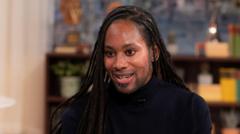
Jason Arday, Cambridge Professor, Found Dead amid Plagiarism Row
Jason Arday, a former professor of sociology of education at the University of Cambridge, was found unresponsive in a Battersea apartment on Friday, the Metropolitan Police announced. The 41‑year‑old had resigned a week earlier, amid allegations that he had plagiarised portions of his PhD thesis and other publications.
Arday, who was celebrated in 2023 as Cambridge’s youngest ever black professor, said the relentless media scrutiny and personal attacks had become unbearable. In a statement he described the campaign of misinformation as “too much” and expressed that he had been “always gentle” and “wanted to see the best in everyone.”
The university’s investigation, conducted jointly by Liverpool John Moores University – the institution that awarded him his PhD – found no evidence of plagiarism. Nonetheless, the controversy began when ex‑Cambridge colleague Nathan Cofnas, himself dismissed for a similar dispute, publicly highlighted alleged breaches in Arday’s work.
Arday’s death has prompted reactions from senior leaders at Cambridge, Durham and Glasgow universities. Vice‑chancellor Prof Deborah Prentice said the news was “desperately saddened”, while Education Secretary Lucy Powell urged the public to remember real people are affected by such scandals.
Aside from academia, Arday was known for his public engagements. A former PE teacher, he later held posts at Durham and Glasgow. He had a memoir, “Great and Unfortunate Things”, set to release in the UK on 27 August. The book details his journey from nearly non‑verbal to university professor, highlighting “improbable triumphs and heartbreaking setbacks.”
In the wake of his death, several institutions are reviewing his past work. Glasgow and Durham have both announced investigations into his academic record. The news has spurred a broader debate about the duty of care for academics who face intense media pressure, especially those from minority backgrounds.
Catherine Maugham of Good Law Project said the death was a tragedy, noting the public’s sustained scrutiny even after Arday had resigned. Meanwhile, Professor Kehinde Andrews, a friend and fellow scholar, described Arday as “very down” and “effectively stuck at home,” arguing that black academics “have it in academia” in a profound way.
The tragedy has shrouded the academic community in grief, with friends and family expressing shock at the loss of a “kind and warm man” who had championed opportunities for PhD students.