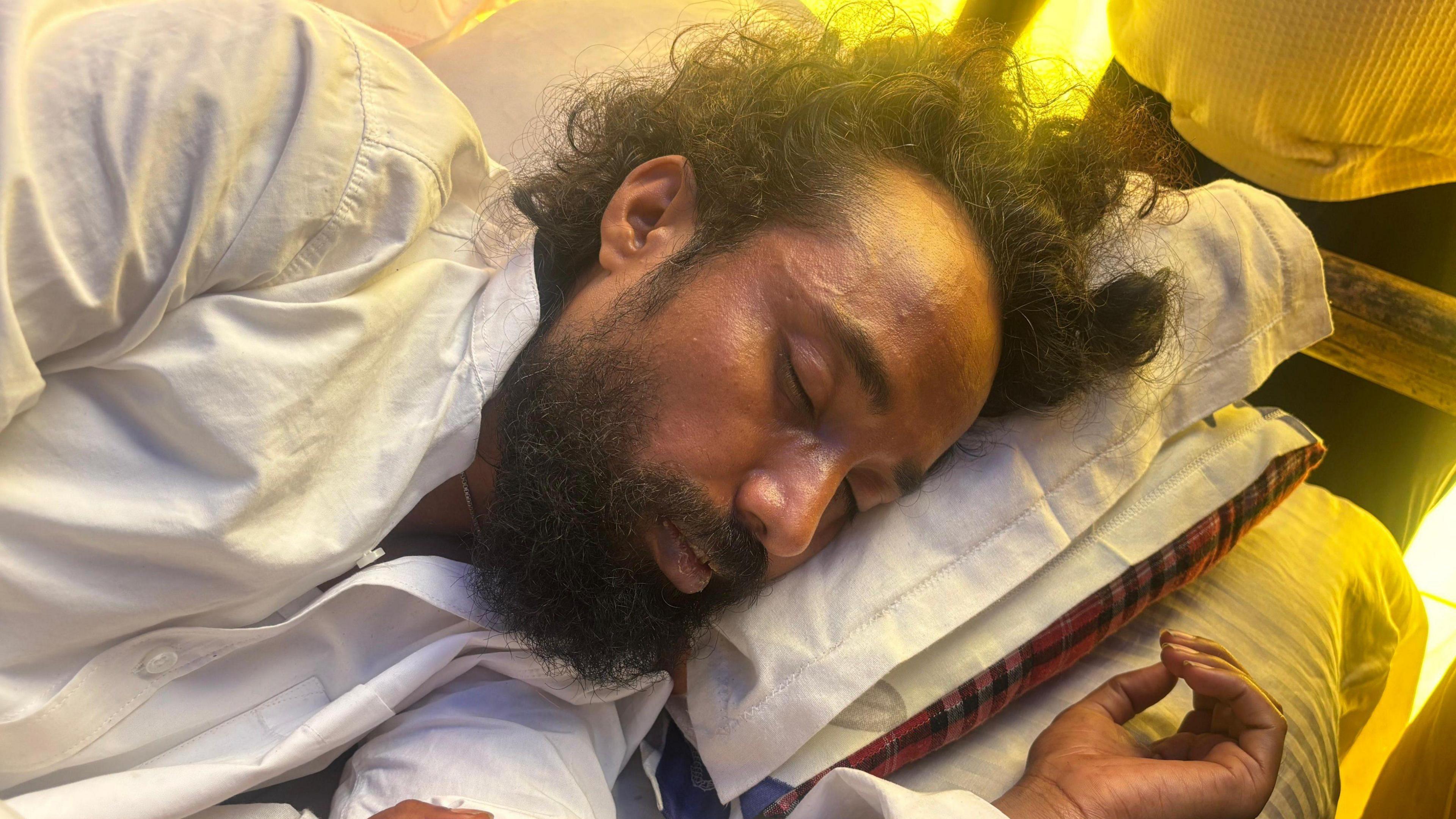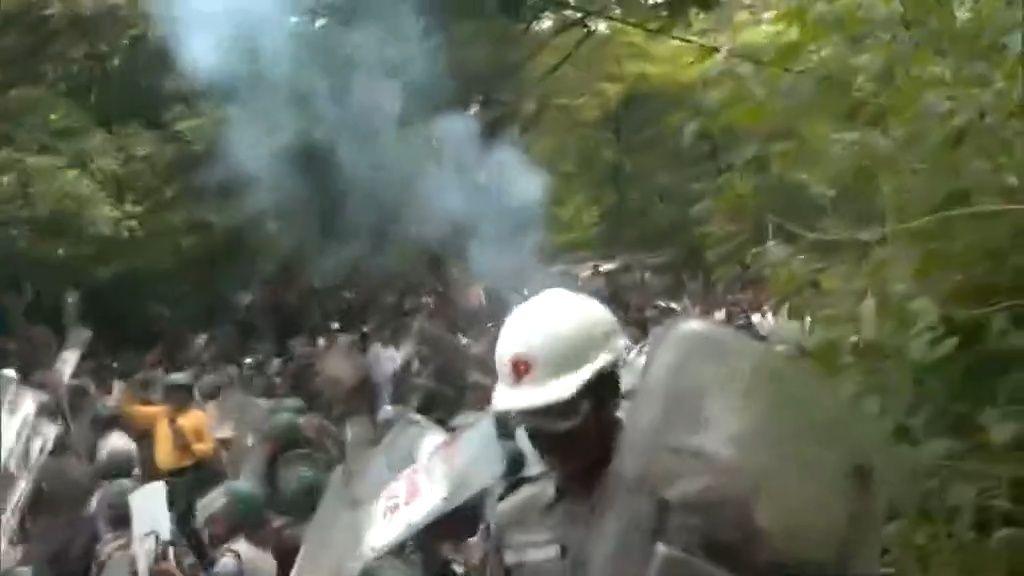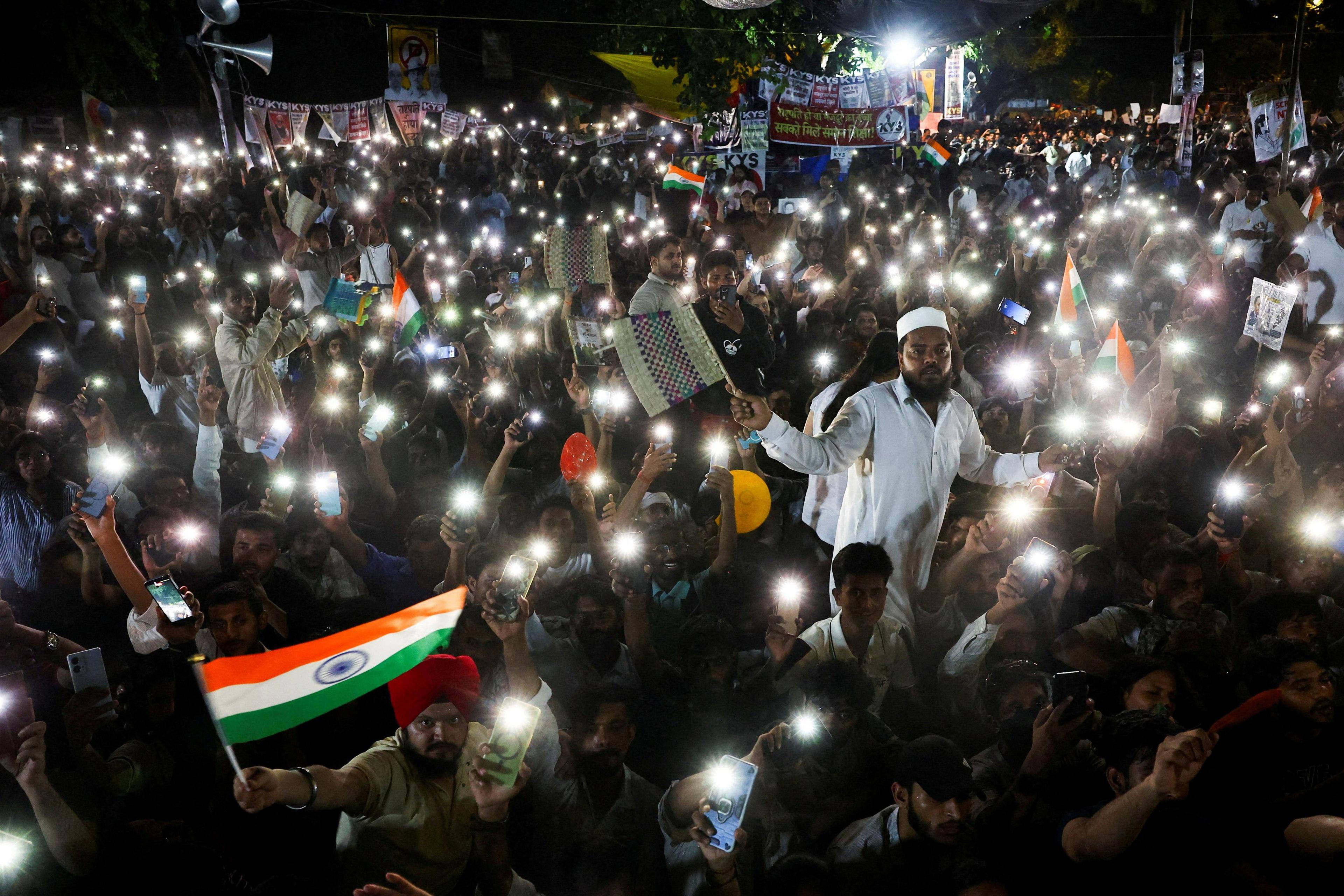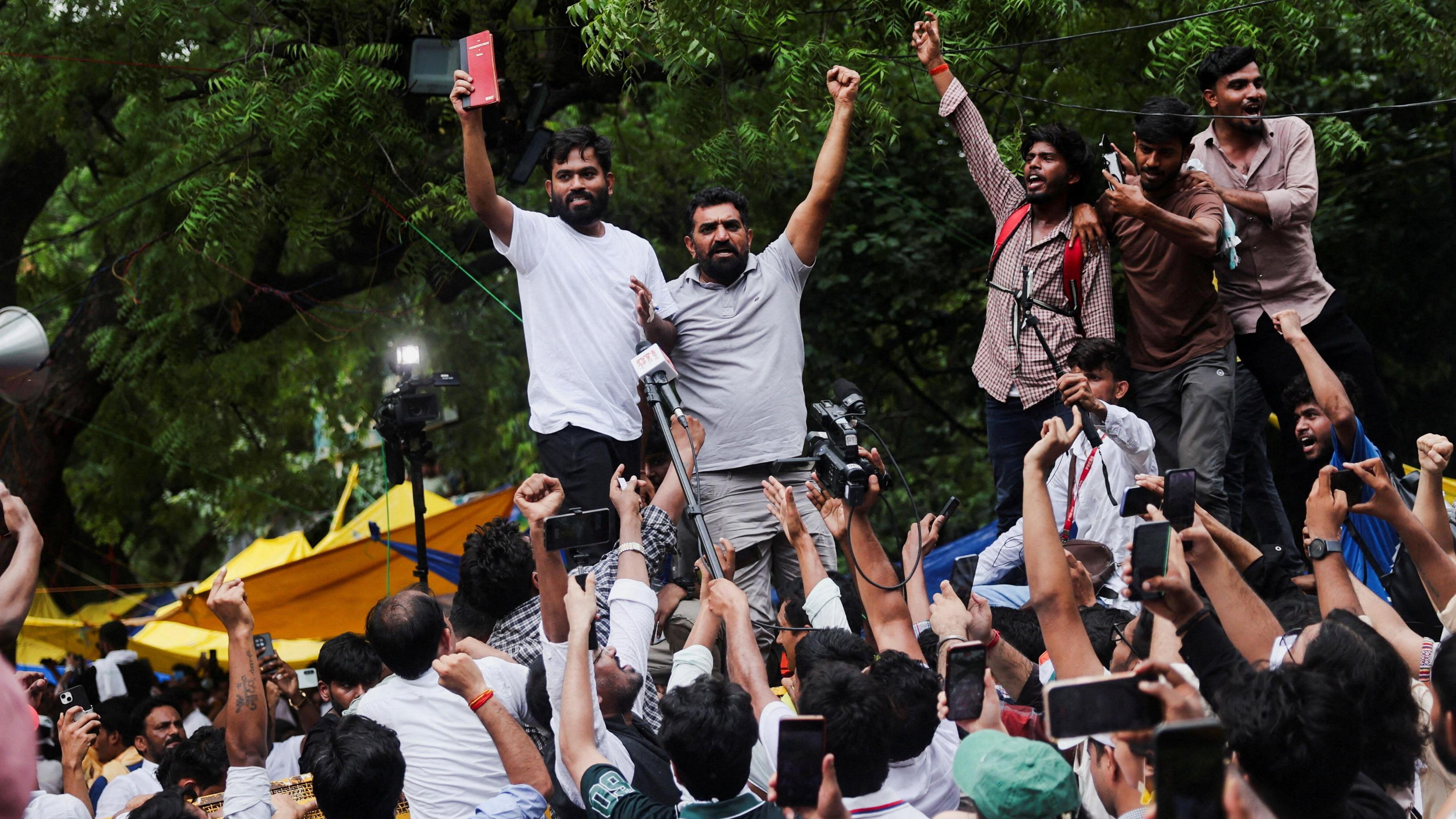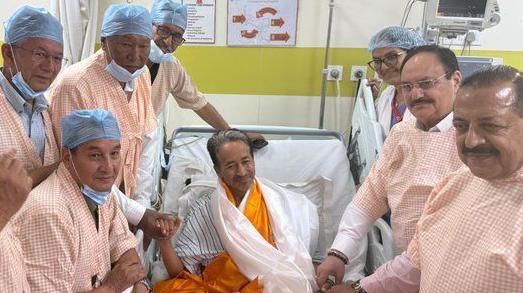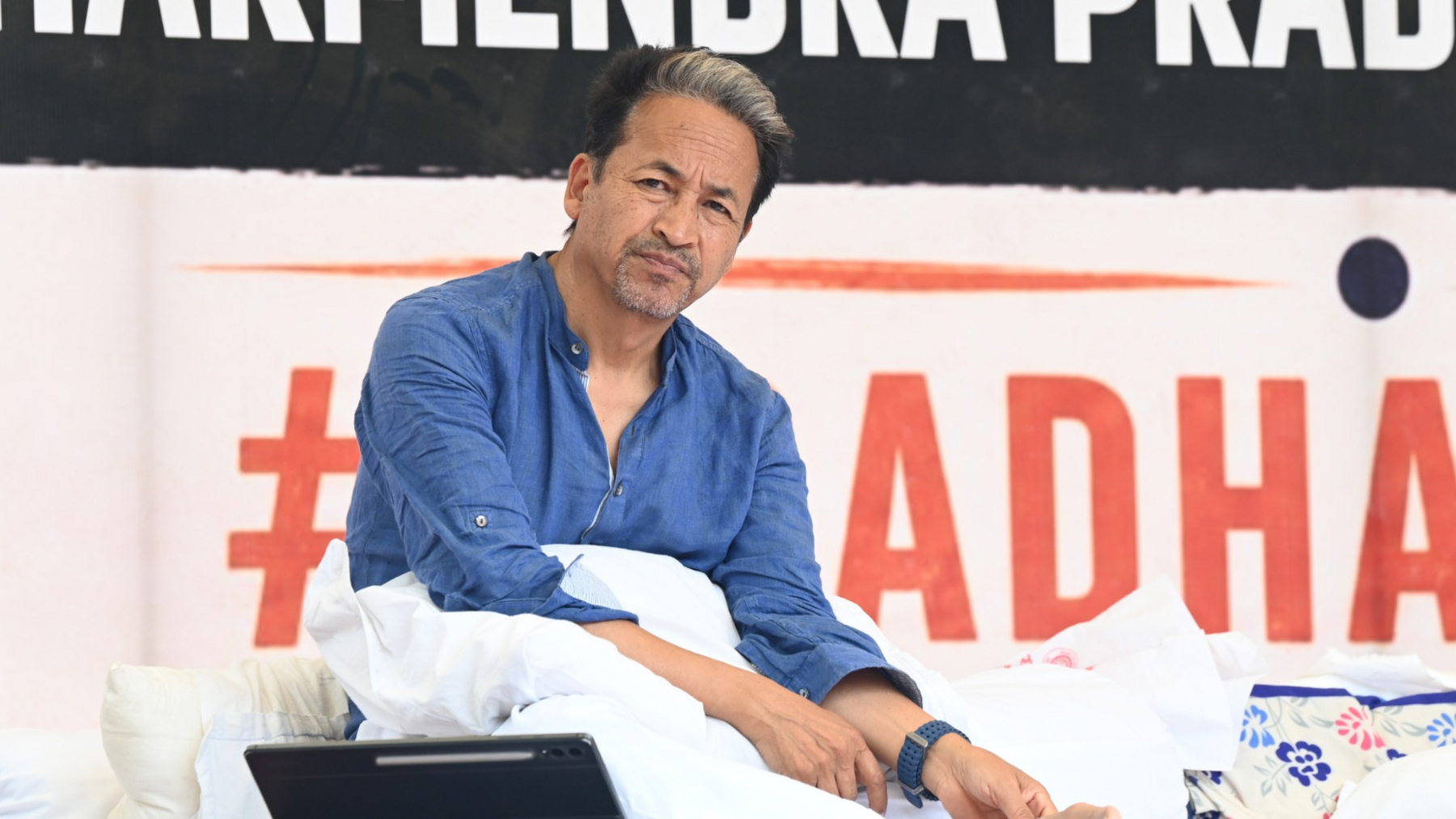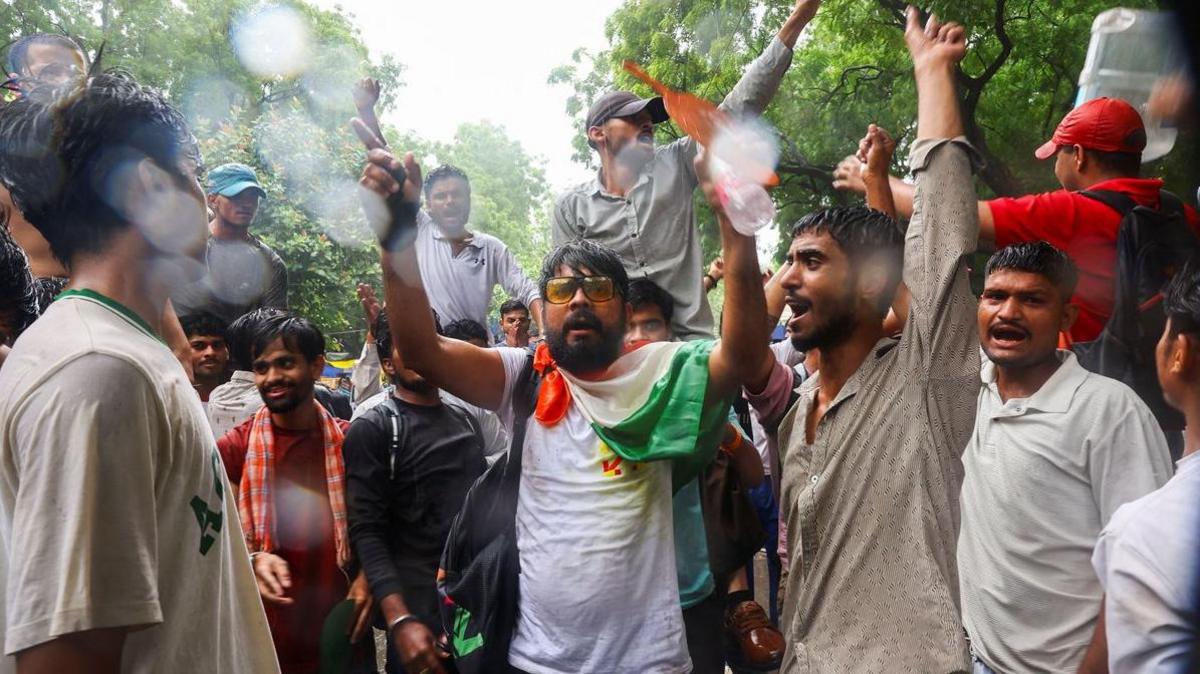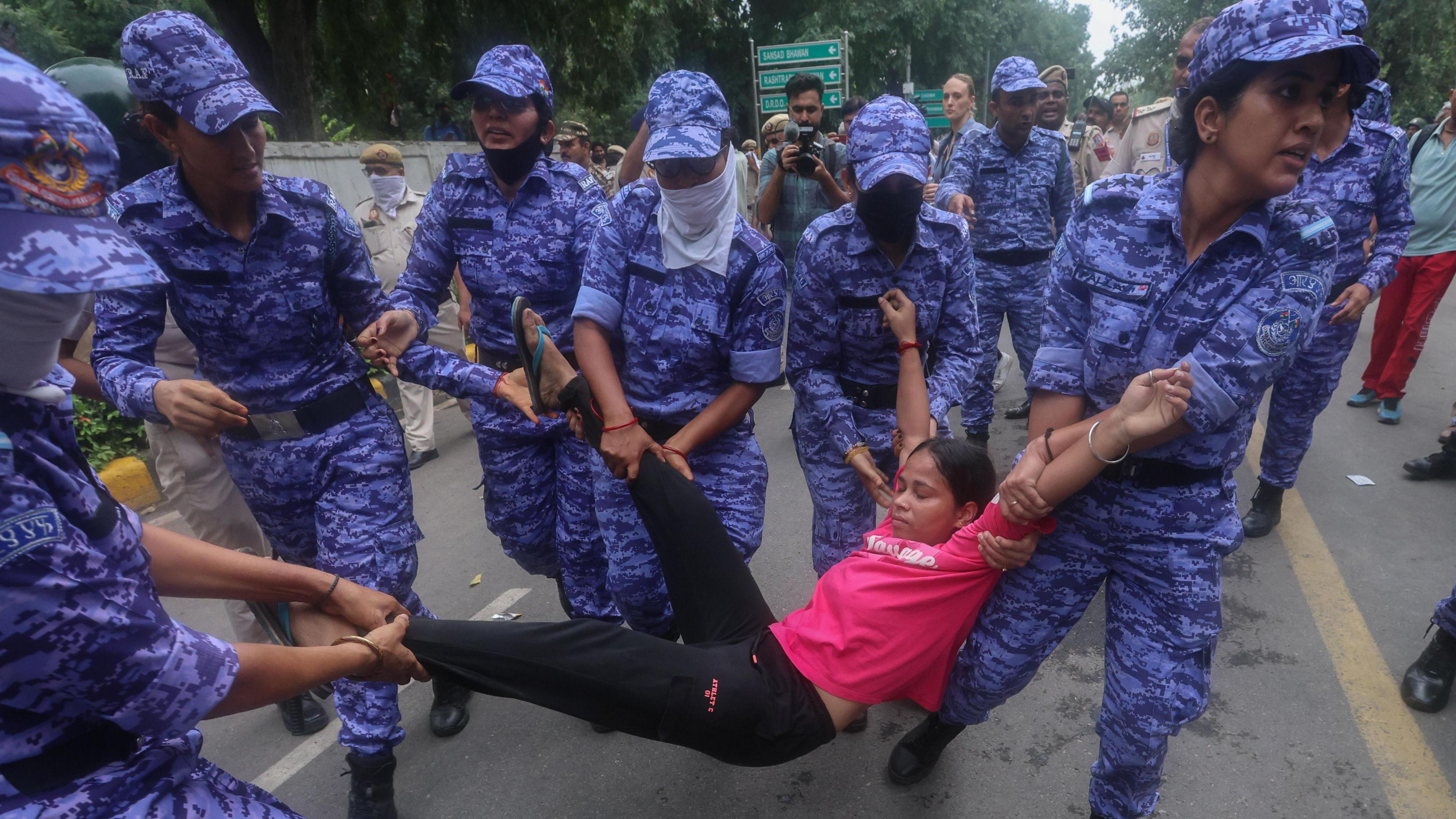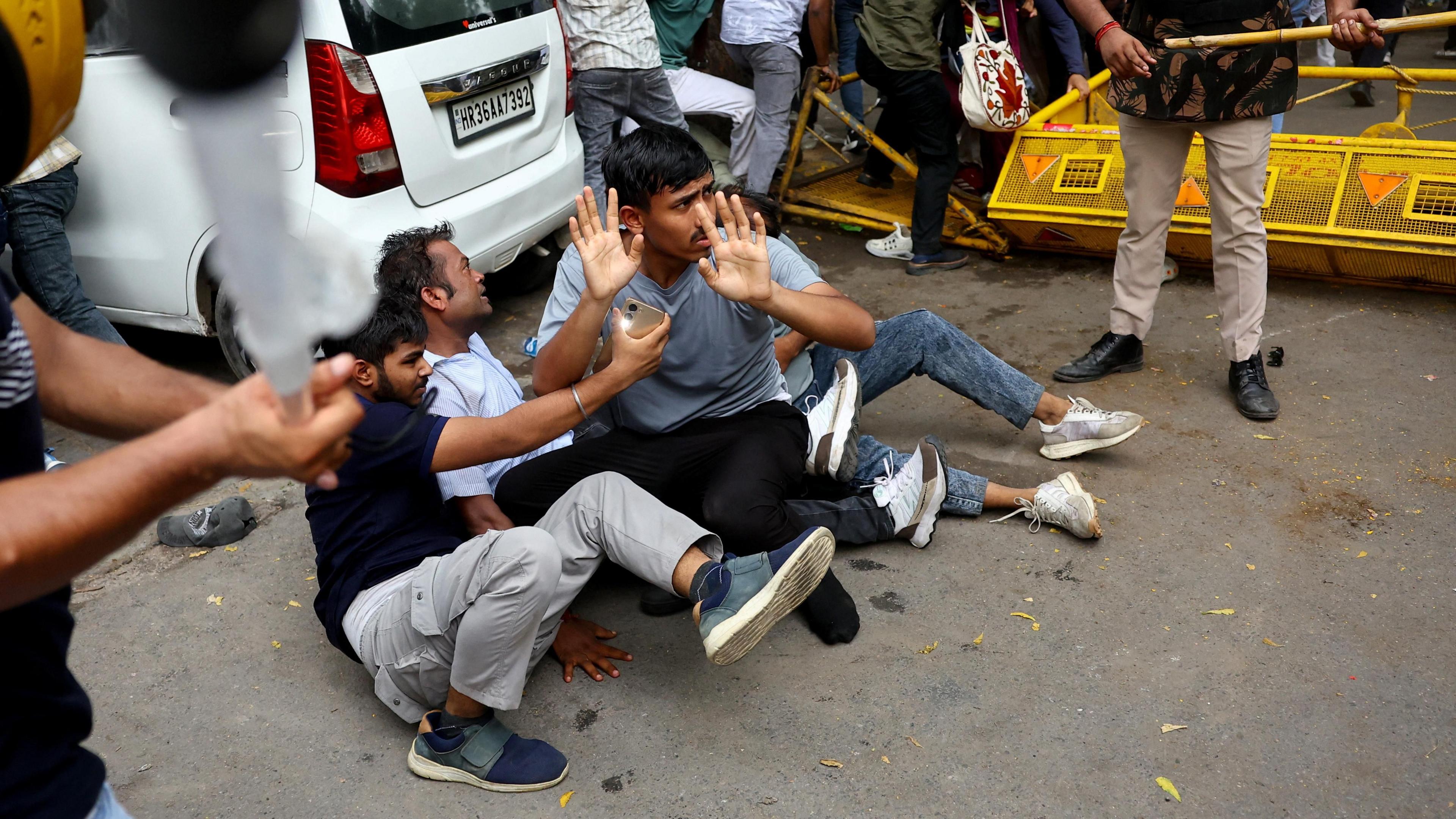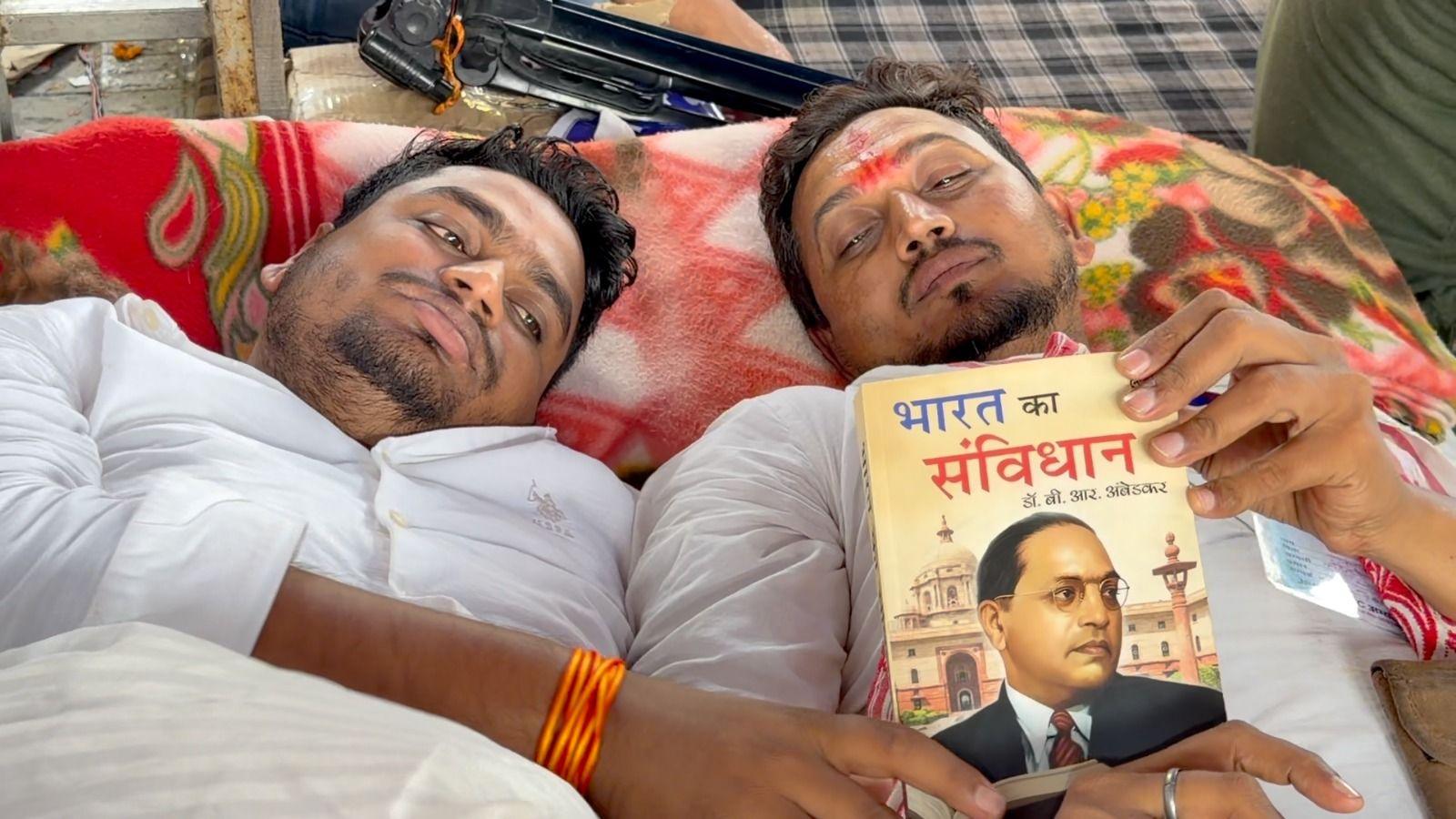
Since July 25, a coalition of students and job seekers have gathered at a stadium in Ranchi, the capital of Jharkhand, demanding that the state scrap the April civil service examination. Several have taken to hunger strike, sleeping outdoors in the encampment that has grown into a makeshift camp complete with tents and tarpaulins.
The protest began after candidates reported that leaked answer sheets were shared on social media, revealing that some successful applicants had answered far fewer questions than the exam’s instructions. These allegations triggered fears that the final results were manipulated.
“We want justice. We will not leave until we get it, even if it costs our lives,” says 27‑year‑old Umme Habiba, who has sat for the exam three times, hoping for a clear win this time. She, along with others such as Devendra Nath Mahto, a former state election candidate who now sits on a hunger strike, insist the protests must belong to the students and not become a political campaign.
The state’s Criminal Investigation Department has launched a probe, and the Jharkhand Public Service Commission has postponed the next exam phase. Cadre record keeper L Khiangte resigned on July 22 and is being questioned in the investigation. The army of the CBI is being called for a federal inquiry, while experts also scrutinise the private company that ran parts of the exam process.
Political backing has poured in from both sides. The opposition BJP has staged rallies and asked the state assembly to approve a CBI investigation. The ruling coalition’s Congress faction also supported the students, promising discussion. Meanwhile, a youth movement known as the Cockroach Janta Party—originally behind Delhi’s “cockroach” protests—has offered solidarity to the Ranchi aggers.
In the camp, supporters bring food and water, and speeches by senior students echo patriotic slogans under tarpaulins. Some nights, the makeshift stage is lit and crowds spill into the streets for night‑time rallies. Mothers complain that their children are expected to wait years for a government job, while acquaintances that have already secured employment grow frustrated at the stalled hiring process.
Despite promises, the protesters maintain they will hold out until a rigorous, credible inquiry is carried out and the exam is re‑held. As the protests continue on, the government faces mounting pressure to deliver a transparent solution to a system that has long faced scrutiny for irregularities.