Judge Rules Juror Must Remain in Lindsay Clancy Murder Trial
A judge in the Massachusetts courtroom has again told the jury deliberating the case against Lindsay Clancy that a particular juror may not be removed, despite that juror’s apparent resistance to accepting the legal standard of reasonable doubt.
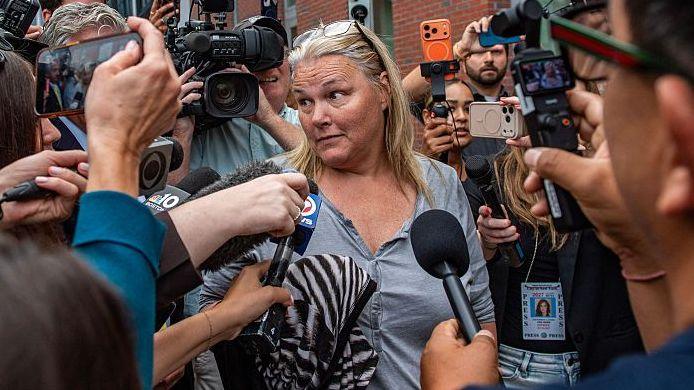
The jury had already sent the judge notes on two separate occasions, one of them suggesting a juror was taking the defendant’s testimony personally, stating that she was “refusing to listen to the law on reasonable doubt.” Tone in the courtroom grew tense when, after receiving the forwarded note, the defence lawyer suggested that the judge consider removing that juror. The judge, however, declined, siding with the principle that all nine jurors should remain present while they reach a unanimous verdict.
The prosecutor, Jennifer Sprague, praised the judge’s instructions, noting that they were “appropriate” and that it is impossible to determine which side of the deliberation the jury has taken. In reply, the judge said he “doesn’t feel it is proper for me to side with one side or the other of the deliberations.”
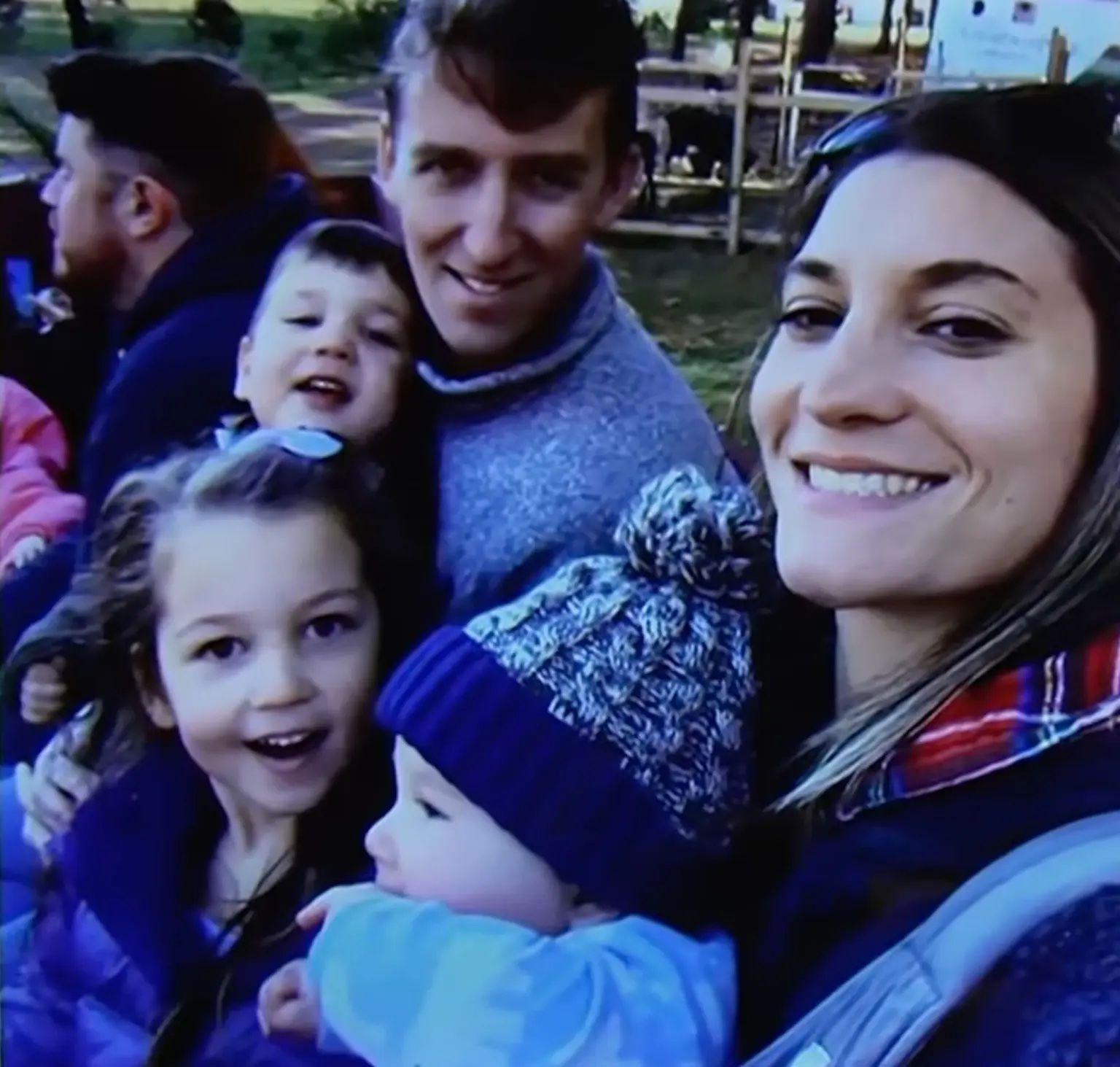
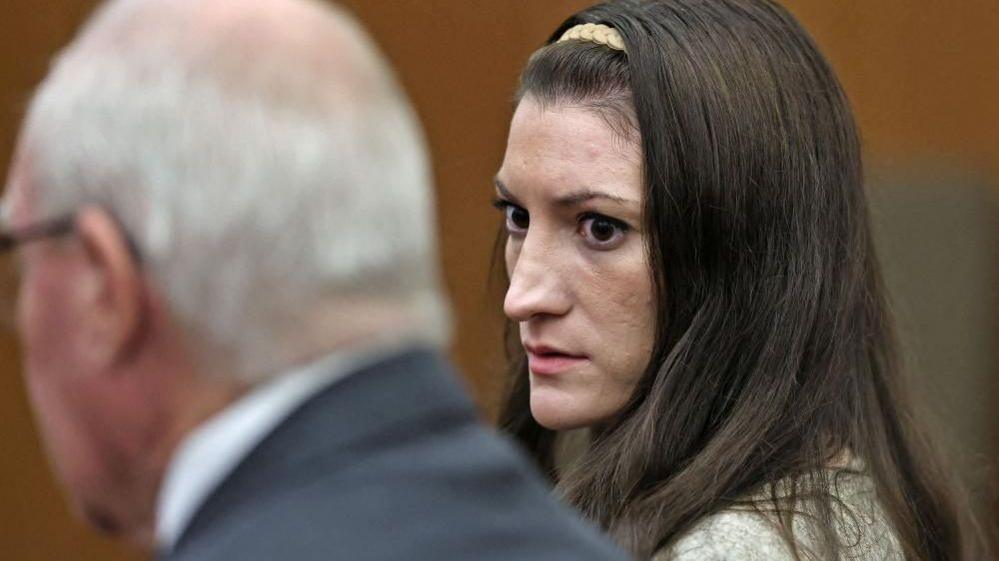
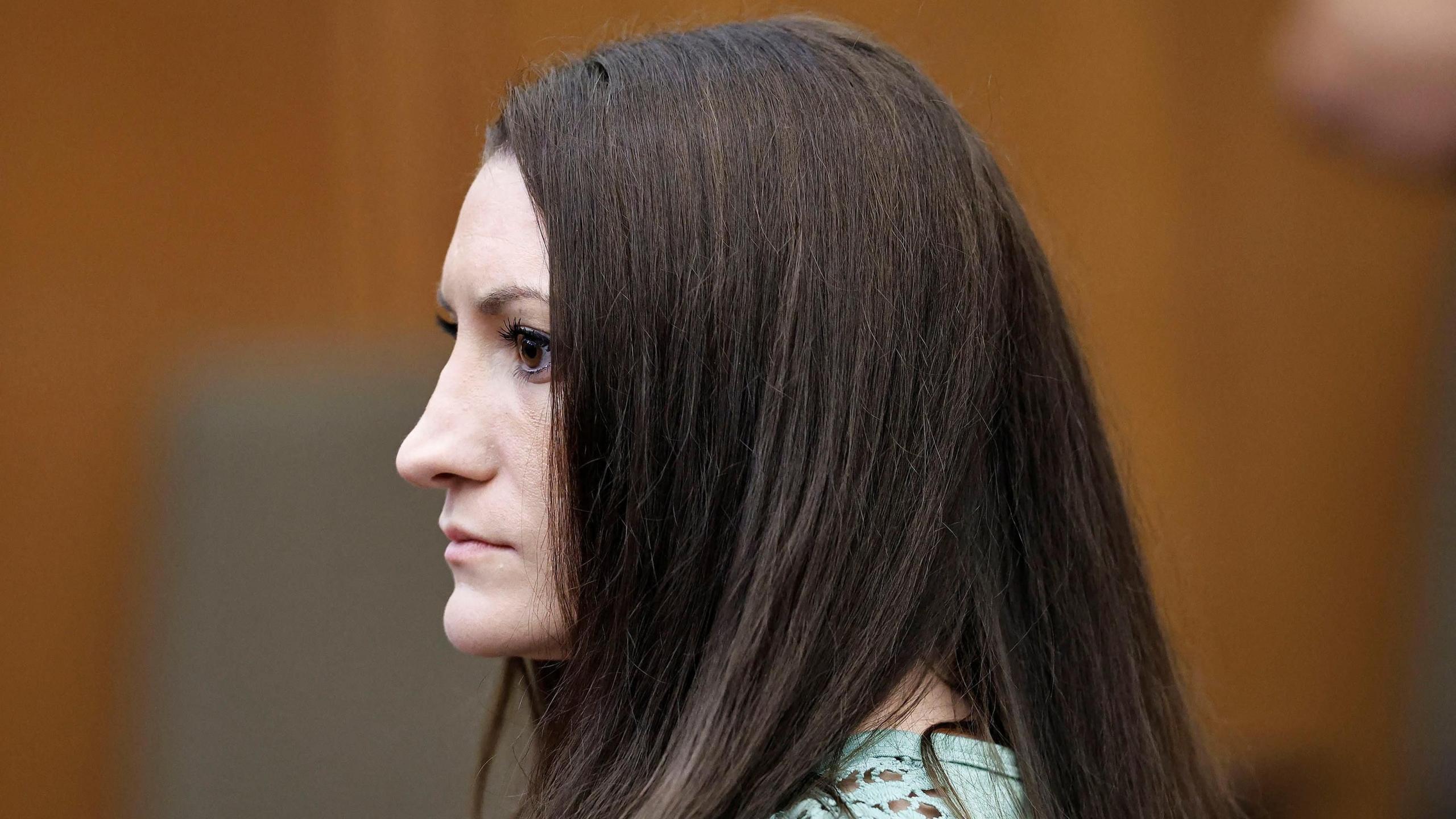
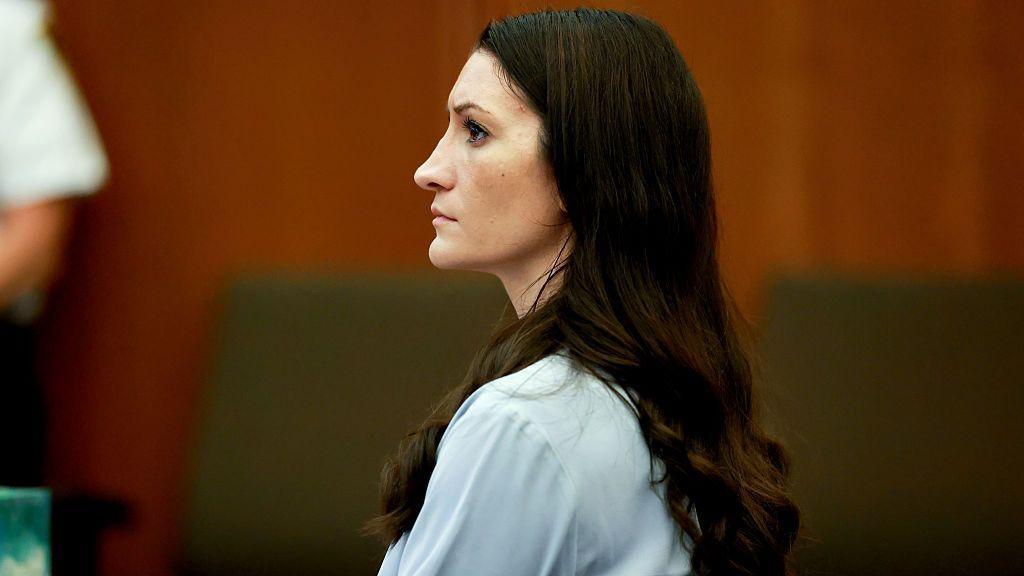
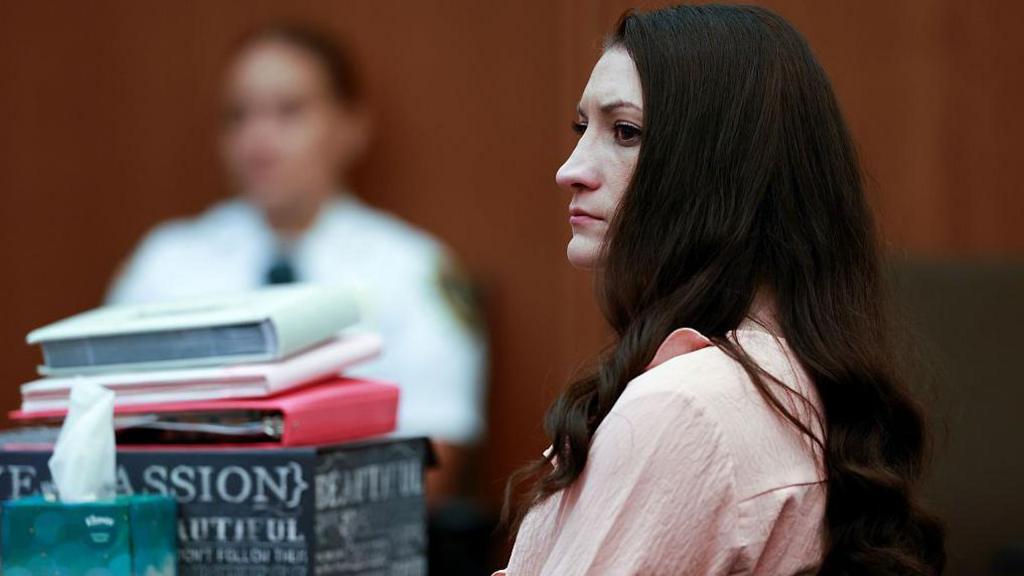
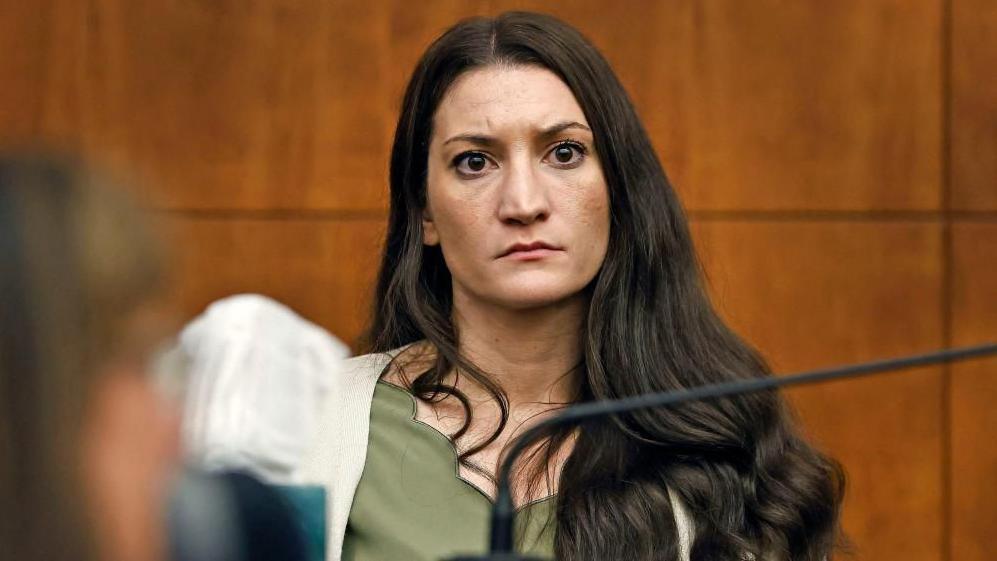
Clancy, 36, faced with three counts of first‑degree murder for the deaths of her children—Cora (5), Dawson (3), and eight‑month‑old Callan—in her Plymouth home on 24 January 2023, has repeatedly denied the murders. The trial has highlighted her diagnosis of postpartum psychosis, a defence that attempts to prove she had diminished capacity at the time of the killings.
A jury of nine women and three men has deliberated for more than 35 hours with no verdict rendered. The judge’s ruling that the holdout juror may remain means that the jury must continue deliberating. If the jury is unable to reach unanimity, Judge Sullivan will have the option to declare a mistrial, after which prosecutors may choose whether to retry the case. The stakes are high: at present the victim pleaded a possible guilty verdict of first‑degree murder, which carries a life sentence without parole in Massachusetts. A conviction could also lead to psychiatric commitment if the verdict finds a lack of criminal responsibility.
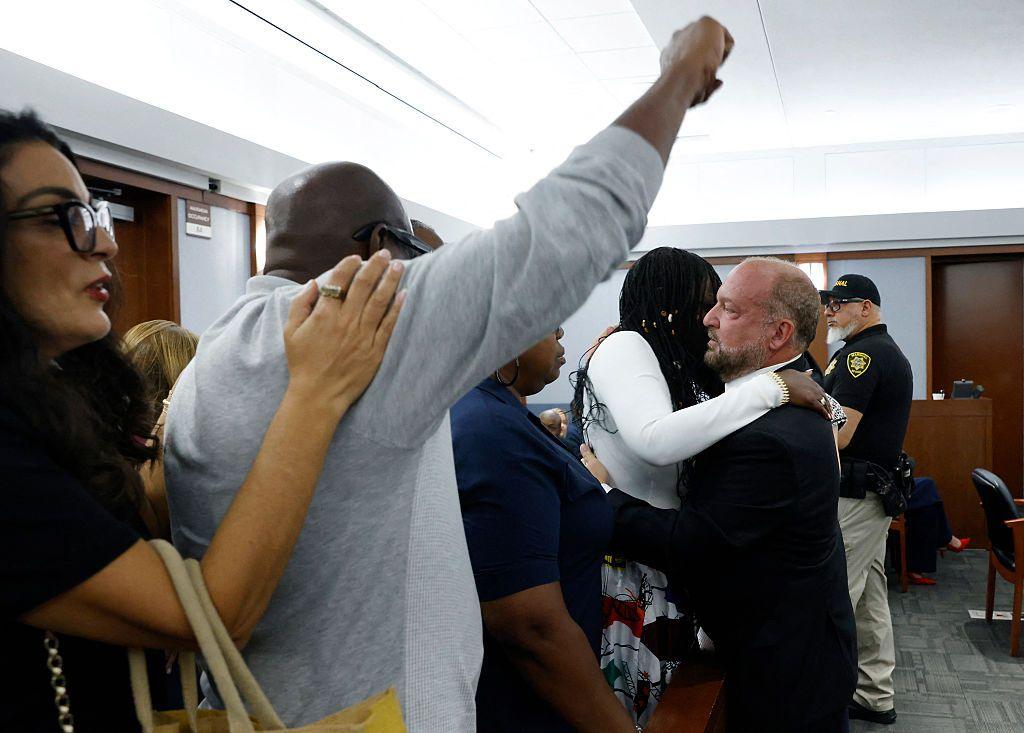
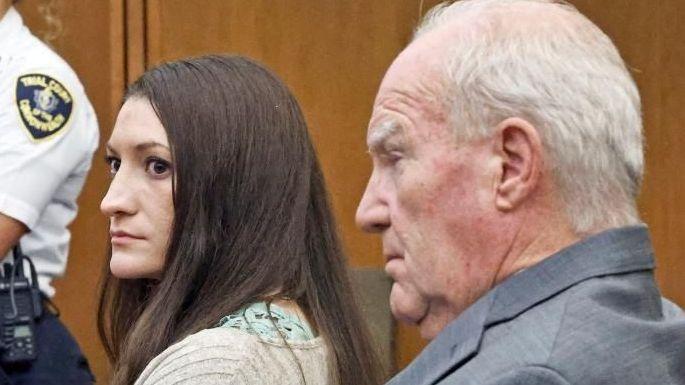
The courtroom exit was marked by the meeting of the judge, the defence lawyer Kevin Reddington, and a visibly shaken Clancy. Reddington, who could be seen consoling the defendant, described a tense exchange where the juror was asked to follow the judicial instructions on reasonable doubt. The judge’s decision to let the juror stay, and to keep deliberations running, has intensified the narrative surrounding the case, which keeps capturing public attention across the United States.