In brief
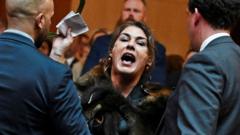
Australian senator Lidia Thorpe has been censured by the Senate for heckling King Charles during his royal visit to Canberra. Thorpe's protest aimed at raising awareness about the historical impacts of British colonization drew significant political backlash, although it also received support from certain activism circles advocating for Indigenous rights. The Senate's censure, which passed 46-12, labeled her actions as "disrespectful and disruptive".
Thorpe, an independent senator and Aboriginal activist, shouted "you are not my King" and "this is not your land" shortly after King Charles addressed the Great Hall of Parliament. She expressed her protest was vital in drawing attention to the historical and ongoing effects of colonialism on Indigenous Australians. In a statement post-vote, she lamented being denied the chance to respond during the debate due to a flight delay, emphasizing her commitment to speaking out against historical injustices done to Australia's first peoples.The Senate's censure is largely symbolic, lacking legal consequences but reflecting a political consensus on the matter. Opposition arose swiftly, both from within the political sphere and some Indigenous leaders, while others praised Thorpe’s actions for spotlighting issues regarding the rights and recognition of Aboriginal and Torres Strait Islander communities. The conversation around Indigenous treaty in Australia remains contentious, contrasting with approaches in countries like New Zealand, where treaties with Indigenous peoples were established. For many Aboriginal activists, the lack of a treaty underscores their ongoing struggle for sovereignty and rights, as they assert they never ceded their lands to the Crown.During the King’s visit, despite the protest, he received a warm reception from crowds. Prime Minister Anthony Albanese acknowledged the complexities of Australia's relationship with the Crown, noting the respect shown to citizens during both celebration and debate about constitutional evolution. Thorpe's previous activism has sparked reactions nationally and internationally, notably when she referred to Queen Elizabeth II as a colonizer during her swearing-in ceremony in 2022. Recent attempts at constitutional recognition for Indigenous people, such as the failed “Voice” referendum, revealed deep divides within Australian society on these matters, with Thorpe herself previously opposing the measure for being insufficient. As discussions about the future of Indigenous rights and recognition in Australia continue, the incident involving Thorpe and the King serves as a poignant reminder of the complexities and challenges in addressing colonial legacies.