In brief
In late October, a fire broke out in the 19th‑century Limoges city hall, a landmark that had become a symbol of French civic life. The blaze, ignited by protesters, destroyed the wooden clock tower and shattered the building’s façade, sparking condemnation from across the political spectrum. Mayor Guillaume Guérin cited radical‑left links to the attack, while the incident has heightened tensions ahead of France’s presidential election and raised questions about the limits of civil protest. Local residents and businesses have called for greater security and a return to dialogue, fearing further damage to the town’s heritage and economy. The event may influence the trajectory of France’s political debate as protests continue to flare up nationwide.
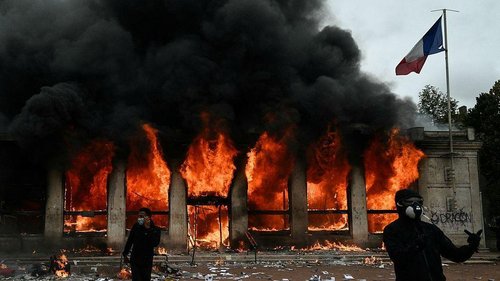
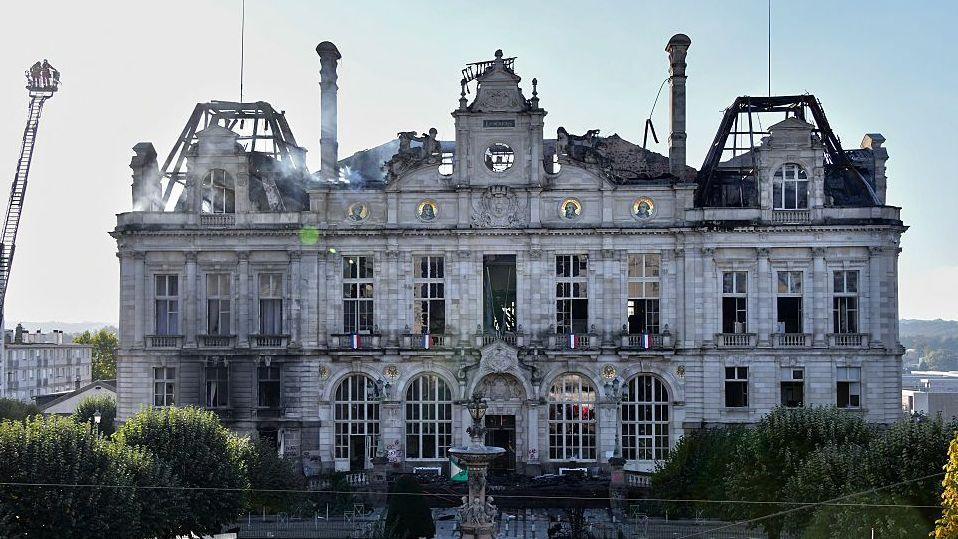
On Saturday night, the historic town hall of Limoges caught fire amid a wave of nationwide demonstrations. The blaze originated in the wooden clock tower, sending flames across the 19th‑century façade and leaving the building in ruin.
Mayor Guillaume Guérin, who had only recently taken office, reacted with tears as he catalogued the damage. “It is a historical tragedy for France, not just Limoges,” he said, blaming the destruction on the hard left and accusing activists of opening the fire. Authorities have identified two suspects—aged 66 and 34—linked to radical left networks.
The incident has energized an already volatile political climate. Prime Minister Sébastien Lecornu visited the city on Friday, urging calm and outlining plans to increase police presence in key hubs, including Limoges, where curfew and gathering limits were imposed.
Residents and local business owners have responded with a mix of outrage and empathy. “The town hall is a symbol of the republic, but so is our daily struggle,” commented 24‑year‑old student Alexander. Meanwhile, 19‑year‑old medical student Jade highlighted the financial strain of living on €300 a month, saying the burning of the building was a "sad" moment but not the most pressing issue.
The fire came as protests escalated from concerns over school conditions to broader grievances about cost of living and France’s growing fiscal deficit. With a presidential election only six months away, the damage to Limoges city hall could alter the national debate on protest policing and civic architecture.
Historically a centre of craft and labour, the town now faces the task of balancing heritage preservation with democratic expression. While the authorities seek to prevent further destruction, civic leaders urge that the struggle be channeled toward constructive dialogue rather than arson.
A photograph from the scene shows the charred façade of the town hall, a stark reminder of the conflict’s tangible cost.