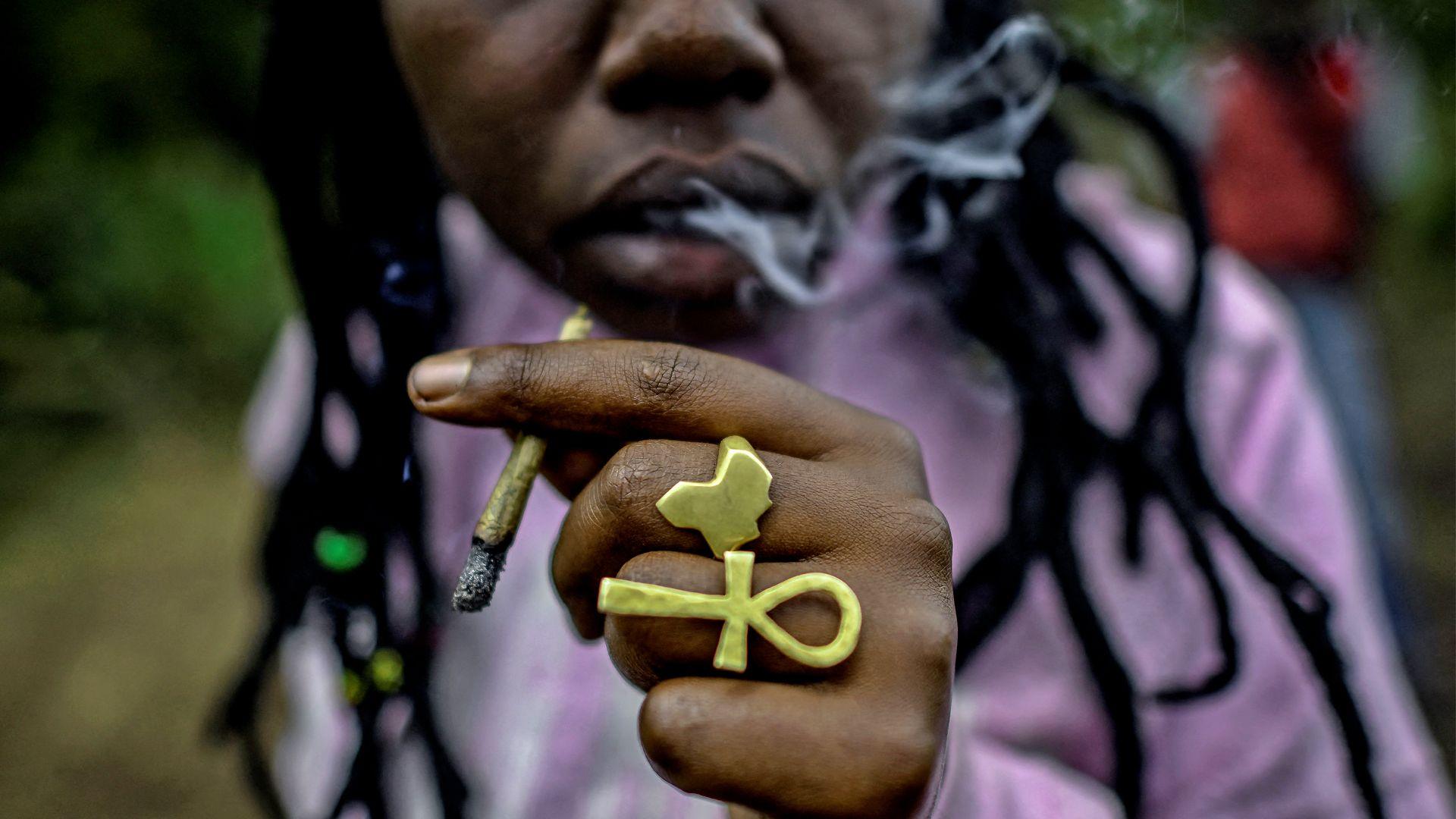
Kenya High Court rejects Rastafarians’ cannabis legalisation bid
Kenya’s High Court has dismissed a petition by the Rastafarian Society of Kenya that sought to legalise the use of cannabis for religious worship. In a decision that underscored the country’s strict drug‑control regime, the court found that the group could not demonstrate that the prohibition on smoking cannabis infringed the constitutionally guaranteed right to freedom of religion and belief.
Justice Bahati Mwamuye pointed out that the evidence presented was insufficient to establish cannabis as an essential element of the Rastafari faith. He affirmed the validity of the Narcotic Drugs and Psychotropic Substances (Control) Act, noting that the ban on cultivation, possession and use remains enforceable. The judge also called for a national debate on the future direction of cannabis policy, suggesting the issue is broader than a single religious community’s request.
Under the Act, individuals convicted of possessing cannabis for personal use face a maximum sentence of five years imprisonment or a fine of up to US$800. Cultivation can lead to fines of up to US$1,900, penalties that can exceed the market value of the plants, or up to twenty years in prison. Trafficking and other drug‑related offences carry even harsher penalties.
The Rastafarian petition argued that smoking cannabis is integral to worship and therefore should be exempt from criminal law. They sought permission for followers to grow, own, and use it in private homes and places of worship without fear of arrest. The court rejected the plea on the grounds that allowing a religious exemption could create loopholes for illicit cannabis trafficking and undermine law‑enforcement efforts.
The decision follows a 2019 High Court ruling that recognised Rastafarianism as a protected religion in Kenya after a school was found to have violated a student’s constitutional rights when she was expelled for wearing dreadlocks. While the number of Rastafarians in Kenya is not publicly known, the movement is growing, particularly among young people who see the dreadlock tradition as a symbol of anti‑colonial resistance.
A lawyer for the Rastafarian Society, Danstan Omari, announced that the group would appeal the ruling. He said, “Kenya cannot be the only country that is harassing the Rastafarian people. We are determined to reverse that court’s ruling and bring back the dignity and respect of the Rastafarians in Kenya.”
The debate over cannabis continues in Kenya, with proponents highlighting potential economic benefits such as job creation, tax revenue and uses in medicine, while opponents fear that easing restrictions could facilitate illegal use.