In brief
As Ghana approaches its presidential elections, citizens like Nathaniel Qainoo express profound disillusionment with the country’s economic prospects following a series of financial crises. At nearly 40% of the population, the youth feel especially disenfranchised; many are considering emigration due to a high unemployment rate and strike issues pervasive in education. Both major candidates, Mahamudu Bawumia and John Mahama, are attempting to revive their parties’ fortunes with promises to address the country’s fiscal woes and promote innovative economic solutions. However, challenges persist as voter turnout is unpredictable, and surveys indicate a tight race.
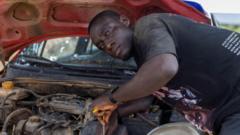
As Ghana gears up for its crucial presidential and parliamentary elections, the situation remains tense. Nathaniel Qainoo, a mechanic from Kasoa, stands as a poignant reminder of the struggles faced by many Ghanaians due to the financial crisis. His shift from accounting to mechanics reflects a broader trend of discontent among young professionals in a nation where job opportunities remain scarce. The economic downturn began in 2022, highlighted by the government's debt defaults and a staggering inflation rate of 54%. The cedi, Ghana’s currency, has reportedly lost 70% of its value in the last eight years, compelling the government to seek a $3 billion bailout from the International Monetary Fund (IMF).In light of the economic turmoil, Qainoo is disheartened about voting in the upcoming elections. Despite the electoral commission's optimistic forecast for voter turnout, he and many young people are expressed skepticism regarding their future. Emigration is on their minds, with many hoping for a better life elsewhere. The election focuses heavily on the economy, which has dominated discourse among the two leading candidates: John Mahama of the National Democratic Congress (NDC) and Mahamudu Bawumia of the New Patriotic Party (NPP). Mahama, returning from an eight-year hiatus, emphasizes his capability to “reset” the economy, harking back to his previous term when he united citizens despite the challenges. However, critics point to significant energy shortages during his administration, questioning his ability to revitalize the economy. On the other hand, Bawumia leverages his background in economics, presenting a "digital economy" to foster youth employment. He aims to navigate the dual challenges of high unemployment and economic recovery, promising to invest significantly in technology and innovation.Both candidates face immense pressure to deliver on their ambitious promises, which include cutting taxes—an essential proposal given the ongoing cost-of-living crisis. Analysts suggest the challenge lies in reconciling their proposals with IMF requirements which call for heightened revenue generation and expenditure cuts. Early opinion polls favor Mahama, but the results may be too close to predict, potentially leading to a runoff if neither candidate secures a clear majority. Bawumia's team remains confident despite the polls, striving to bring forth a new narrative in Ghanaian politics by potentially electing the country’s first Muslim president as the election unfolds.