
In brief
The 2026 New Zealand general election reached the ballot‑closing time on 7 November, leaving both the ruling National Party and the opposition Labour Party just below 30% of the popular vote after 27.4% of ballots were tallied. With citizens still waiting on full outcomes, the Electoral Commission will release the final results on 27 November.
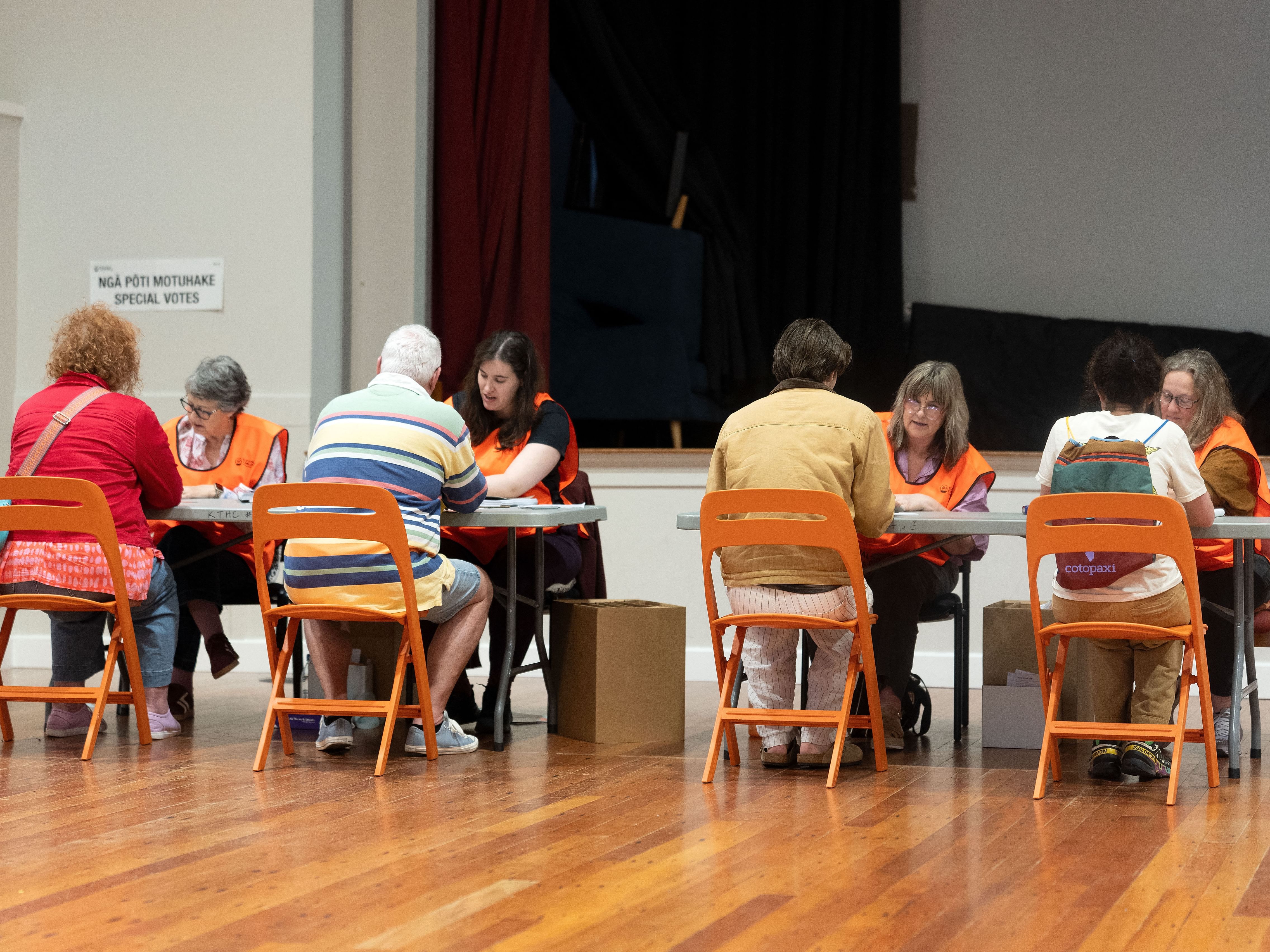
On Saturday, 7 November 2026, polling stations across New Zealand closed after a day of voting for the country’s general election. The Electoral Commission, the body responsible for supervising the election process, reported that, after 27.4 percent of votes had been counted, the leading parties – the centre‑right National Party and the main opposition Labour Party – were each under 30 percent of the popular vote, separated by only a few thousand votes.
At the time of the early count, the two parties were virtually neck‑and‑neck. The narrow margin highlighted the deep division among New Zealand voters, with both sides receiving a comparable share of support across the electorate.
Counting will continue in the coming days and the final tally is slated to be announced on 27 November. The Electoral Commission will present the complete results, including turnout figures and the distribution of seats in Parliament, at that time.
For the people of New Zealand, the outcome of this election will determine the direction of government policy, the allocation of public resources, and the mandate for cabinet ministers. The near tie underscores the importance of every ballot cast, as even a few thousand votes can shift which party ultimately forms the government.
Because the election results are still in process, businesses, local communities, and civic groups will be awaiting the decisive announcement. Clear, transparent outcomes are essential to maintaining public trust in the democratic system, and the Electoral Commission has maintained that its procedures follow legal standards designed to ensure fairness and accountability.
Both parties, along with their supporters, will be closely watching the next phase of counting. The press coverage and public discourse surrounding the delayed final results emphasize how the nation’s political institutions, from the Parliament to local wards, rely on the comprehensive and accurate declaration of votes to function effectively.
In sum, the conclusion of the voting phase has set the stage for a moment of heightened civic awareness. The country's citizens, political leaders, and the Electoral Commission will be awaiting the final announcement on 27 November, when the competitive dynamics between the National and Labour parties will be fully resolved.


