Lebanon Becomes First Middle‑East Nation to Abolish the Death Penalty
In a momentous ruling, the Lebanese Parliament voted to strip the death penalty from its criminal code, signaling a pivotal shift in the region’s approach to capital punishment.
The 128‑member legislature turned the bill over to the cabinet and the president, completing a process that has taken years of lobbying and debate. A majority of MPs backed the measure; the Hezbollah parliamentary bloc opposed it.
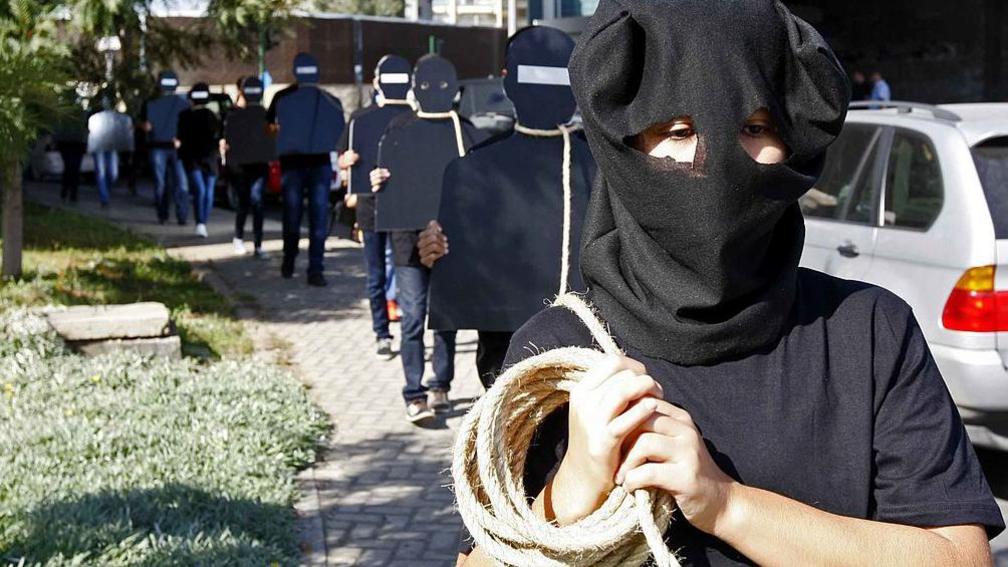
Lebanon has not carried out an execution since January 2004, though courts have continued to issue death sentences. Human‑rights groups estimate more than 78 people are still on death row.
The new law will replace capital punishment with a sentence of life imprisonment coupled with hard labour. Hard labour is already written into Lebanese law, but has rarely been used due to the country’s financial crisis and overcrowded prisons.
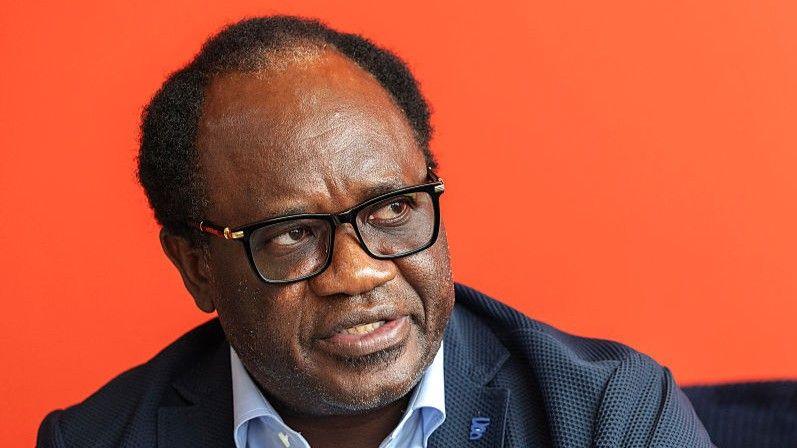
“We cannot solve a crime with a crime or end violence with violence,” said Oragit Younan, co‑founder of the Lebanese Association for Civil Rights and a key figure in the three‑decade campaign that led to this change. Younan noted that, even amid conflict, Lebanon can fight for human rights and set an example for others.
The decision comes as the death penalty remains contested elsewhere in the Middle East. Jordan resumed executions in June, Israel expanded circumstances for capital punishment, and Iran’s use of the death penalty has increased in response to dissent.