
In brief
On Saturday, Israeli forces arrested five Palestinians in Jenin and a young man in Nablus, while also searching homes in refugee camps in the north and towns in the central and western West Bank. The operations are part of a near‑daily arrest campaign that critics say fuels human‑rights abuses, including torture and neglect of prisoners.
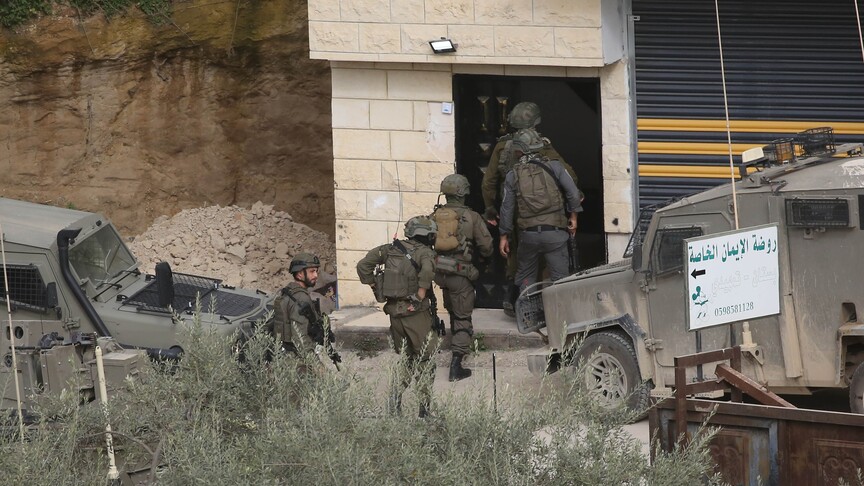
On Saturday, 7 November 2026, Israeli troops carried out raids across several West Bank towns and refugee camps, arresting six Palestinians and conducting extensive searches, local sources say. The detentions took place in Jenin in the north, where five men were taken to an undisclosed location, and in the Askar refugee camp east of Nablus, where authorities stormed a family home and detained a young man, records from the Palestinian news agency Wafa confirm.
In addition to the arrests, Israeli soldiers entered the Balata refugee camp near Nablus, ransacking several homes and confiscating household items, Wafa reported. While raids also extended to the towns of al‑Zawiya west of Salfit, Tammun south of Tubas, the Iktaba suburb east of Tulkarem, and al‑Amari refugee camp south of Ramallah, no arrests were reported in those locations by local observers.
The Israeli army states that the operations were targeted against suspected militants, citing the ongoing security concerns in the occupied territory. However, human‑rights groups argue that these routine raids and arrests contribute to a climate of fear, and they highlight the broader pattern of detainee treatment in Israeli prisons.
According to the latest statistics, some 9,350 Palestinians are imprisoned in Israeli facilities on the West Bank, of which about 350 are children and roughly 90 are women. Human‑rights activists warn that a combination of torture, inadequate food and medical care, and neglect has led to the deaths of multiple prisoners over the years.
The frequent nature of the raids—reported as happening almost daily—raises questions about the proportionality of force used and the legality of detentions without formal charges. The arrests in Jenin and Nablus underscore the intersection of security policies with the everyday lives of residents, who face confiscation of property and heightened police presence.
In the Jenin arrests, witnesses describe soldiers entering apartments with heavy equipment and apprehending men who were allegedly present during the raids. Although no specific details on the alleged militant affiliations of the detainees are publicly available, the lack of immediate charges or public statements suggests a preemptive security action rather than a response to a particular event.
In the Nablus incident, the young man's family reported being confronted by Israeli soldiers who forced entry into their residence. The family’s account was corroborated by footage shot by a local news crew that showed the soldiers advancing through the front door, collecting various household items, and moving the man into an armoured vehicle for transport to an undisclosed location.
Human‑rights organizations have called for an independent investigation into the treatment of Palestinian detainees, citing testimonies of torture and neglect that continue to surface in Israeli detention facilities. In recent years, several activist groups have documented cases where prisoners have endured starvation, forced labor, and denial of medical treatment, leading to preventable deaths.
Advocates also point out that the wider context of occupation, which includes restrictions on movement, limited access to public services, and widespread confiscation of property by Israeli forces, amplifies the impact of individual raids. Each raid not only detains individuals but also disrupts community cohesion and imposes psychological stress on families and neighbors.
The Israeli legal framework for such arrests allows for short‑term detention without charge, typically for up to 48 hours, but there have been reports that many detainees remain in custody for extended periods without formal indictment. Critics argue that this practice sidesteps due process, violating international standards that demand immediate judicial review of arrests.
In the wake of the most recent raids, local civil society groups have demanded increased transparency from the Israeli military regarding the criteria used to identify suspected militants. They also seek assurances that searches and property confiscations will not be used as a tool for intimidation or urban sabotage.
Observers from the United Nations and other international bodies have called on Israel to review the conduct of its operations in the West Bank, emphasizing the need for accountability and robust safeguards against abuses. Their statements come amid ongoing diplomatic efforts to resolve the broader Israeli‑Palestinian conflict, with many regional stakeholders expressing concern over the humanitarian implications of repeated raids.
For residents of the impacted towns and camps, the latest arrests bring renewed uncertainty about personal safety and the legal repercussions of being labeled a suspected militant. With a mounting number of detainees reported to have suffered from torture, starvation and medical neglect, the Palestinian communities continue to push for reforms that would protect human rights while ensuring security for all sides involved.


