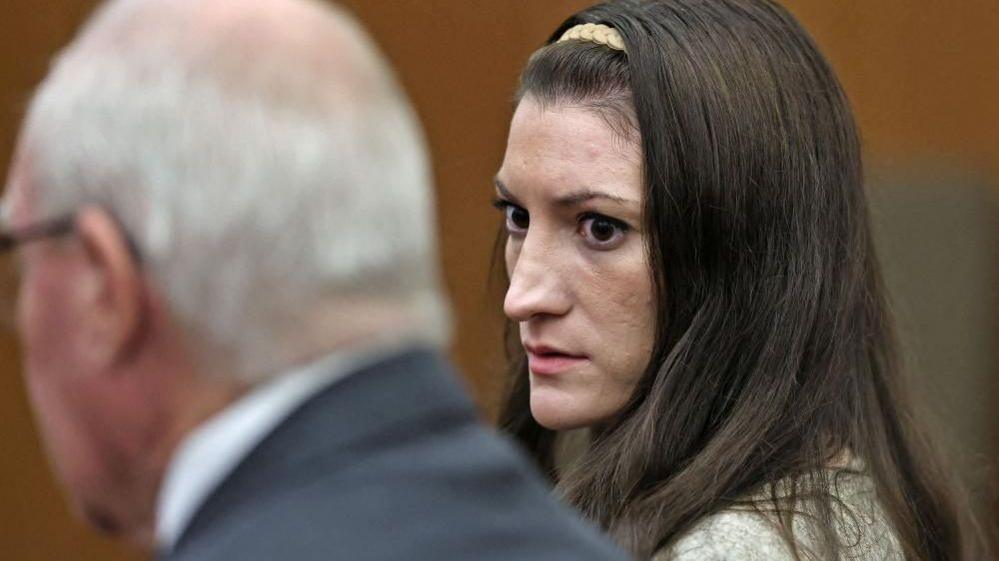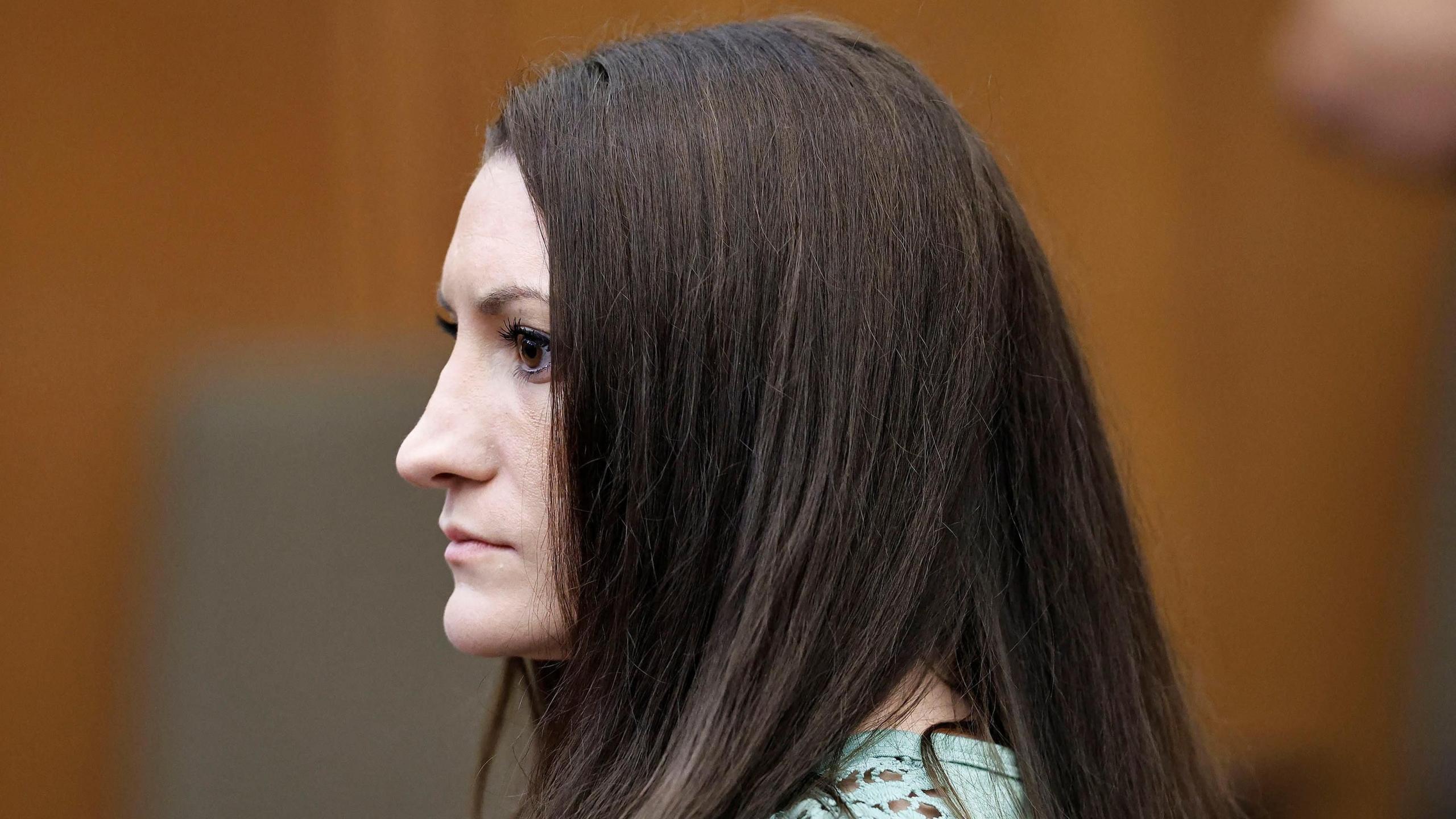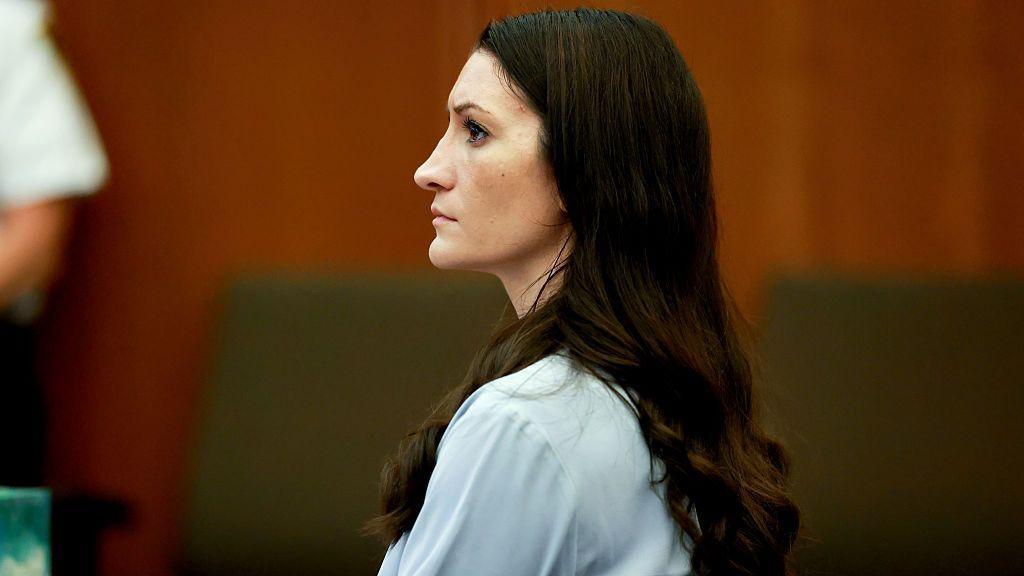
Closing arguments are to begin on Thursday in the five‑week trial of Lindsay Clancy, the Massachusetts mother charged with murdering her three young children at her home in suburban Boston. Clancy has not disputed that she killed them, but her attorneys argue she should not be held legally responsible because she was suffering from severe mental illness.
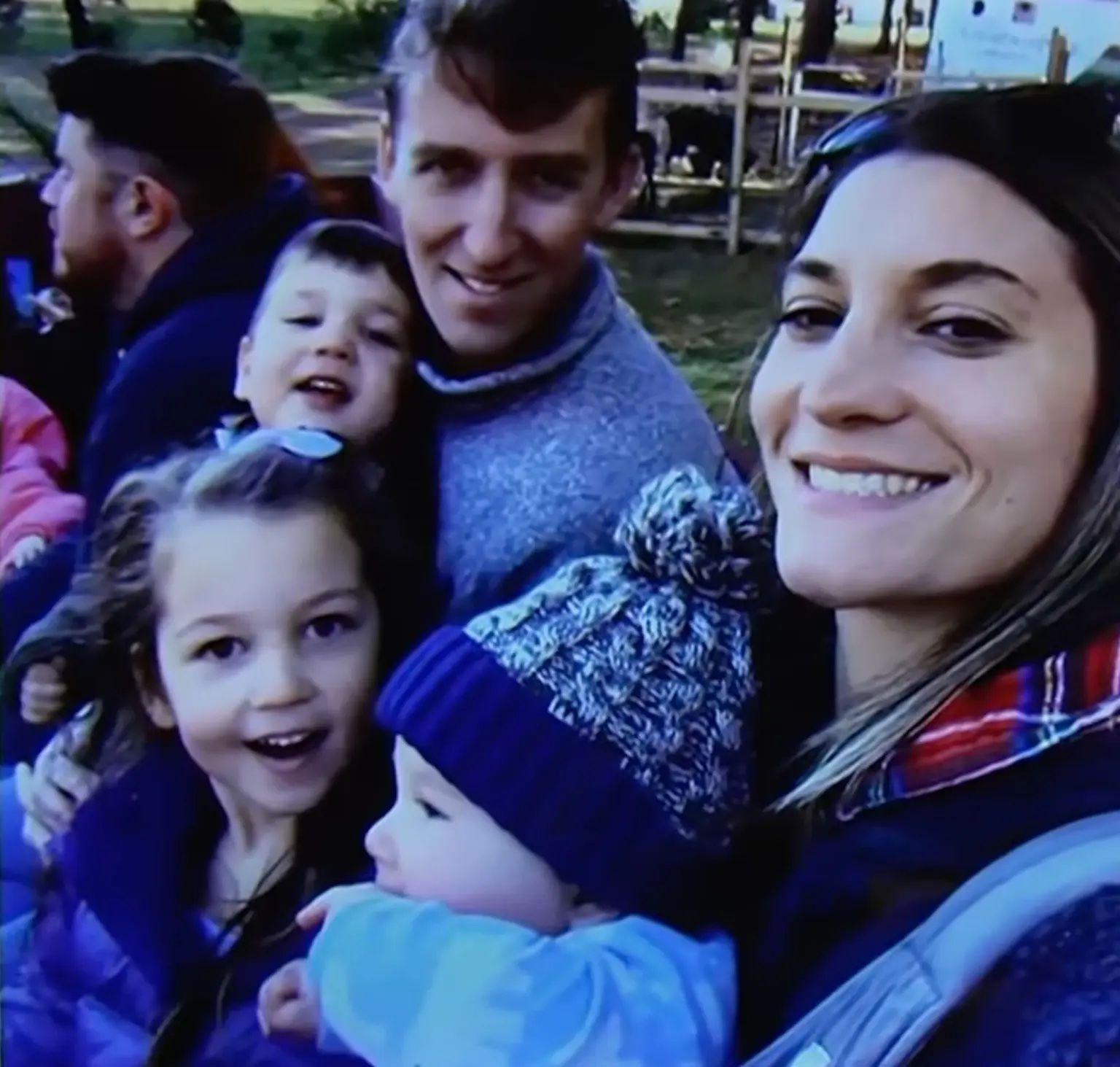
Clancy is charged with three counts of first‑degree murder in the January 2023 deaths; a conviction would mean life in prison without parole. Prosecutors allege that on 24 January 2023, she deliberately strangled her children—Cora, 5, Dawson, 3, and Callan, eight months—using fitness bands, before jumping from a second‑floor window. The 36‑year‑old was paralysed by the fall and has attended the trial in a wheelchair.
While her lawyers never denied her role, they present a defence of insanity, noting hallucinations and delusions after the birth of her youngest child. Clancy had sought help from doctors, taken numerous medications, and checked herself into a psychiatric hospital days before the killings. Prosecutors counter that she chose to kill by sending her husband Patrick on errands to avoid witnesses.
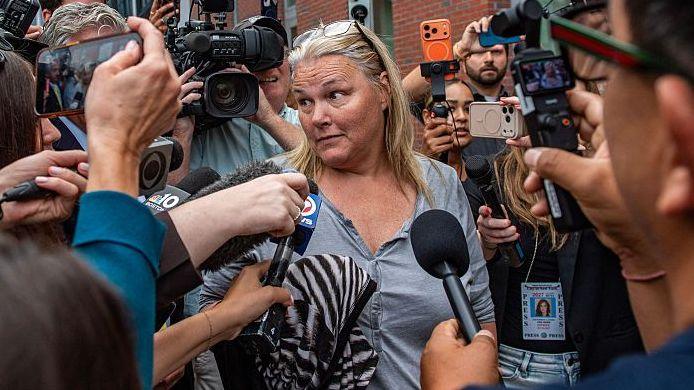
A wave of support from women wearing pink shirts, chanting “She needed help” and “Peace for Lindsay,” gathered outside the courthouse, reflecting the public’s fascination with the case.
Expert witnesses clash: More than 10 experts testified for both sides, with psychiatrists debating whether Clancy displayed signs of postpartum psychosis—a rare condition combining mania and depression. Jennifer Tufts, a psychiatrist who saw her dozens of times, testified for the prosecution that Clancy showed no serious signs of psychosis. Defence attorneys pointed to Tufts’ notes about “not hyper, pressured speech”; Tufts denied reading it that way.
Avram Mack, another psychiatric expert, was questioned on whether postpartum psychosis is an official diagnosis. He avoided a firm answer, stating the American Psychiatric Association considers it only a proposed illness, which led defence attorney Kevin Reddington to exhibit frustration.
Family testimony: Patrick Clancy described his wife’s declining mental health, noting weight loss, depression, nightly crying, and suicidal thoughts a month before the murders. His mother‑in‑law, Susan Clancy, said Lindsay was “very anxious and sad” and “begging for help.” Paula Musgrove, Clancy’s mother, alleged her daughter feared her medications were “destroying her mind.” Allison Ozga, Clancy’s sister, reported daily suicidal thoughts.
Clancy’s legal team argued for a mistrial after prosecutors asked family witnesses about her Catholic faith, claiming it was irrelevant. Judge William Sullivan denied the request and instructed jurors to disregard any testimony citing Catholicism, deeming it absolutely inappropriate.
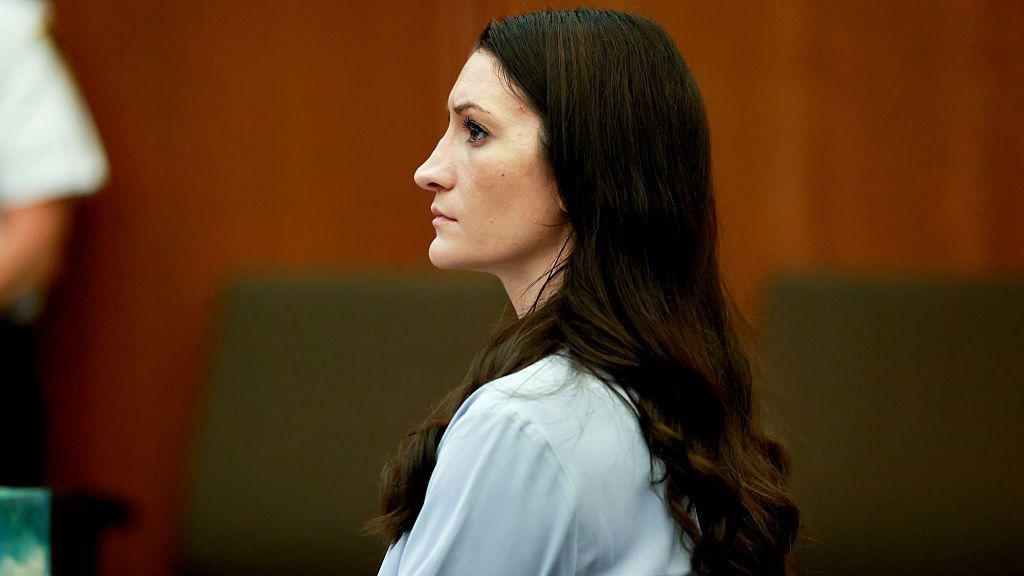
As the final week of the trial begins, the case continues to spark debate over mental illness, forensic psychiatric testimony, and the bounds of legal culpability in horrific family crimes.