Lithuania’s Prime Minister Warns of Threats From Russia but Highlights Evacuation Plans
In a recent interview with BBC Newsnight, Prime Minister Mindaugas Sinkevičius revealed that Lithuania has prepared a variety of evacuation scenarios in anticipation of a possible Russian attack.
Ask about the motivation behind the plans and he spoke of the country’s constant sense of threat, especially following a series of drone incursions that entered Lithuanian airspace. He stressed that the nation would not surrender; instead it would answer with a full military engagement if necessary.
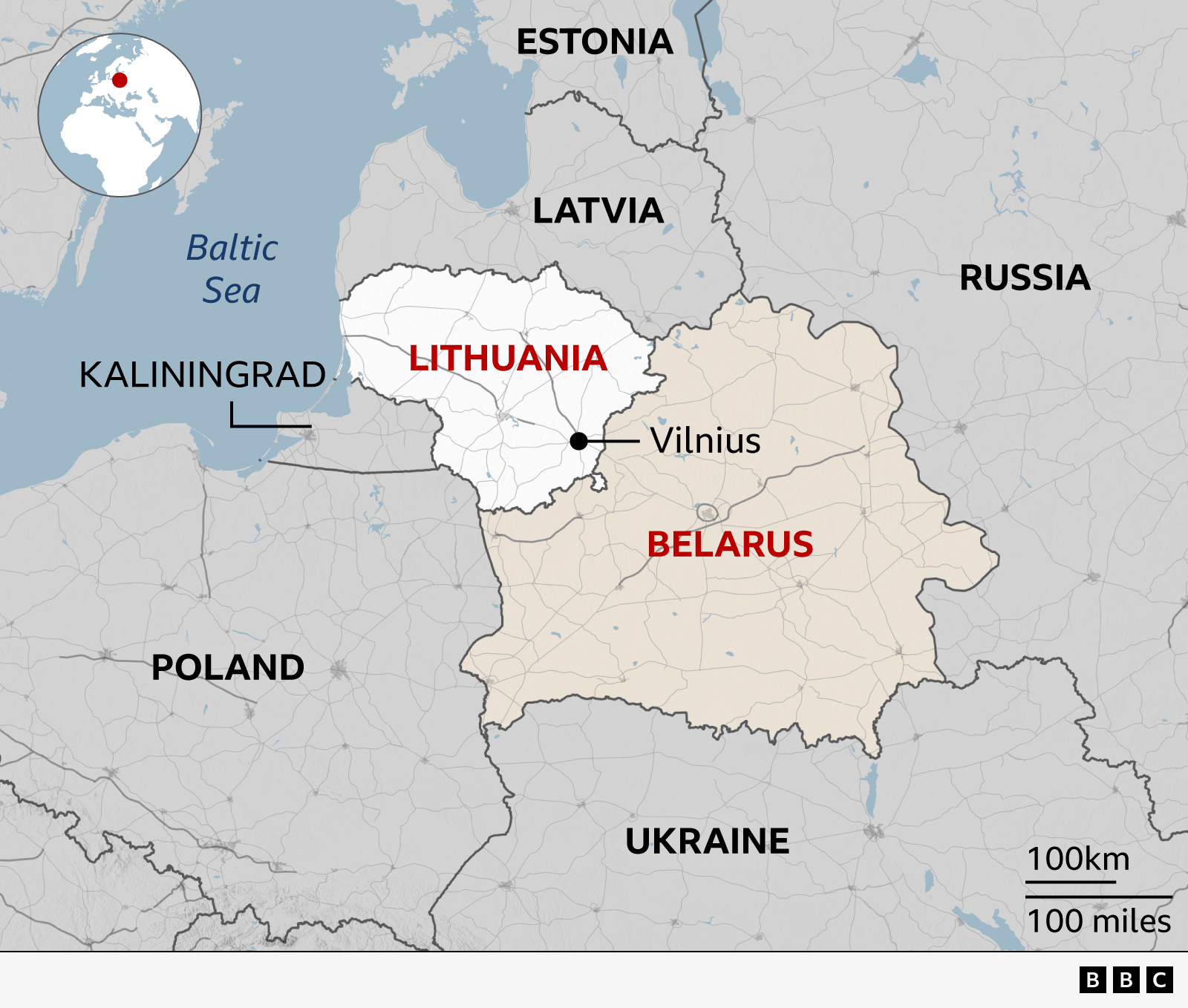
Lithuania, a NATO member that shares a land border with Russia’s Kaliningrad enclave, has already hosted more than 5,000 NATO troops, including US and German forces. The United States is set to bring a new rotation of troops to Lithuania, and Germany has pledged to station a 5,000‑strong combat brigade to enhance the region’s defense, as it seeks full operational capability by the end of 2027.
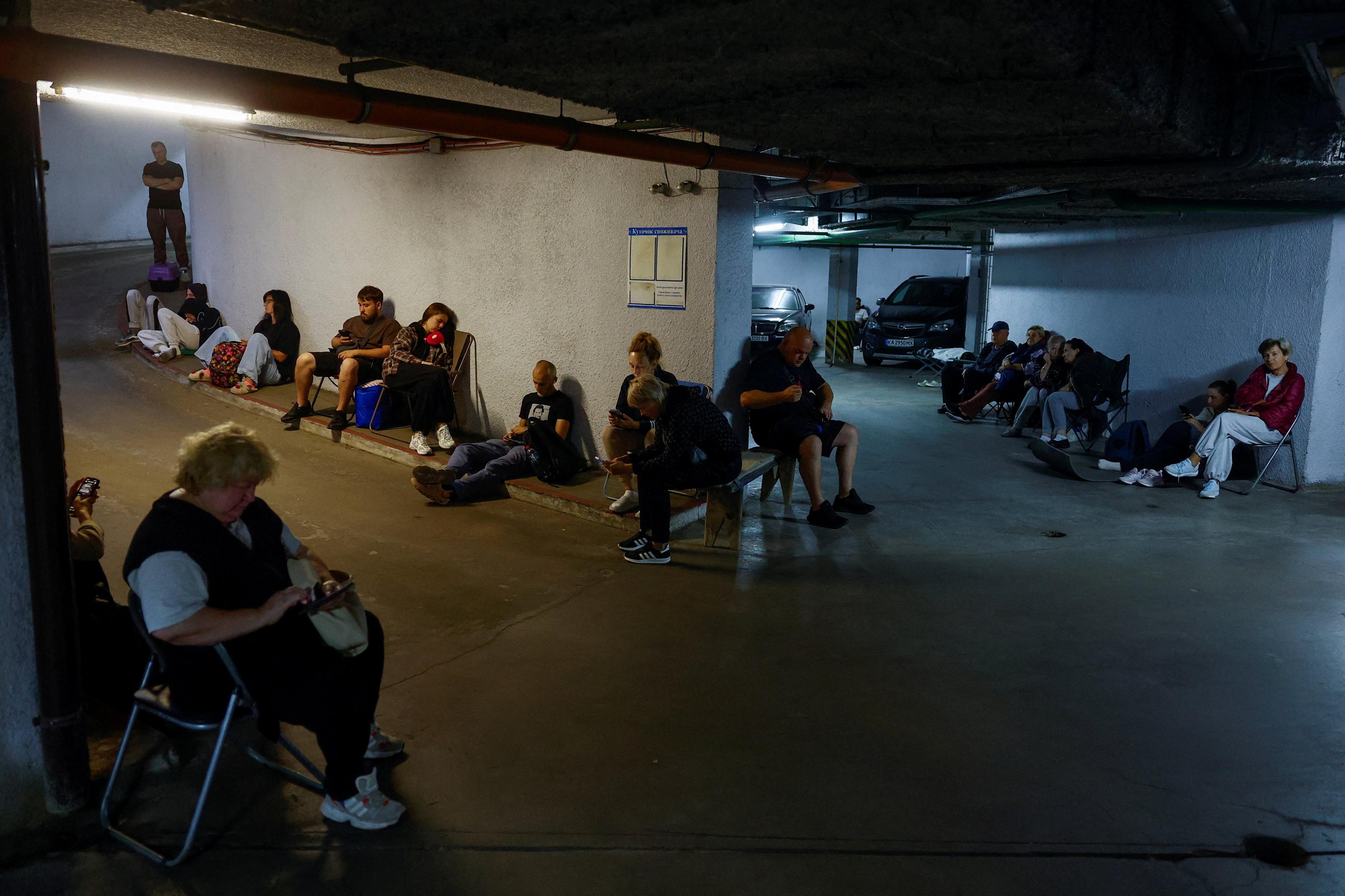
The prime minister highlighted the importance of smooth evacuation for elderly citizens, noting the planning for traffic‑free routes and coordinated logistics. He also urged other NATO allies, especially the UK, to reassess their defensive mindset given Lithuania’s closer proximity to potential threats.
Last week, Lithuanian air defences shot down a drone that had entered the country’s airspace, a drone officially attributed to Belarus by forces in Vilnius. Meanwhile, Ukraine has blamed radio‑jamming operations on Russian forces for similar incidents that saw drones inadvertently crossing into Baltic borders.
Lithuania’s strategy reflects its commitment to the NATO Article 5 defence principle – an attack on one member is an attack on all. The border guards, military planners, and civil authorities have been coordinating to prepare for any scenario, from normal flight disruptions to full-scale military engagement.
The Lithuanian government’s approach exemplifies the Baltic state’s readiness to defend its sovereignty while maintaining an approachable, orderly evacuation protocol to safeguard its residents.